
Benefits of Panchakarma Treatment: Complete Guide to Detoxification and Rejuvenation
Panchakarma is one of Ayurveda's most powerful therapeutic systems, yet many people remain uncertain about what it actually does and whether it can help their specific health concerns. If you've heard about Panchakarma but aren't sure about its real benefits, this guide will clarify exactly how this ancient treatment works and why it's gaining recognition in modern healthcare.
What Is Panchakarma?
Panchakarma literally means "five actions" in Sanskrit. It's a comprehensive detoxification and rejuvenation therapy that removes accumulated toxins (called "ama" in Ayurveda) from the body's tissues and restores balance to the three doshas—Vata, Pitta, and Kapha—which govern all physiological functions.
Unlike symptomatic treatments that mask problems, Panchakarma addresses the root cause of disease by cleansing the body at a cellular level. The therapy involves five primary elimination procedures: Vamana (therapeutic vomiting), Virechana (purgation), Basti (enema), Nasya (nasal administration), and Raktamokshana (bloodletting). A qualified Ayurvedic doctor customizes the approach based on your constitution, condition, and health goals.
Core Benefits of Panchakarma Treatment
1. Deep Detoxification at the Cellular Level
The primary benefit of Panchakarma is its ability to eliminate deep-seated toxins that accumulate over years of poor diet, stress, environmental exposure, and lifestyle imbalances. These toxins lodge in tissues and organs, creating the foundation for chronic disease.
According to research published in the Journal of Ayurveda and Integrative Medicine, Panchakarma's detoxification mechanisms work through a systematic two-phase process:
Preparation Phase (Purvakarma): Oil massage (Abhyanga) and herbal steam therapy (Swedana) loosen toxins from tissues and move them toward the digestive tract for elimination.
Elimination Phase (Pradhanakarma):
The five therapeutic procedures actively expel these mobilized toxins through natural pathways—the digestive system, respiratory tract, or skin.
This systematic approach ensures toxins are removed safely and completely, rather than being pushed deeper into tissues or suppressed.
2. Restoration of Digestive Fire and Metabolism
Panchakarma significantly improves digestive function by resetting the digestive fire (Agni). A weak digestive system is the root cause of toxin accumulation and poor nutrient absorption.
After Panchakarma, patients typically report:
- Improved appetite and digestion
- Better nutrient absorption
- Increased energy levels
- Normalized metabolism and healthy weight management
- Relief from bloating, gas, and constipation
This metabolic reset is why Panchakarma is particularly effective for weight management and metabolic disorders.
3. Chronic Disease Management and Prevention
Panchakarma is highly effective for managing chronic conditions that don't respond well to conventional symptomatic treatment. By removing the toxic foundation of disease, it addresses the underlying imbalance rather than just treating symptoms.
Conditions that benefit significantly from Panchakarma include:
Musculoskeletal Disorders: Arthritis, joint pain, spine conditions, and frozen shoulder respond well because Panchakarma reduces inflammation and restores joint lubrication. At Keva Ayurveda, our specialized Panchakarma protocols for arthritis and joint pain have helped numerous patients reduce pain and improve mobility.
Skin Disorders:
Eczema, psoriasis, acne, and other chronic skin conditions improve as the body's natural detoxification pathways are restored. Our Ayurvedic treatment for skin diseases combines Panchakarma with targeted herbal therapies.
Reproductive Health:
Infertility (both male and female), PCOS, irregular menstrual cycles, and hormonal imbalances improve through hormonal rebalancing and tissue rejuvenation. Keva Ayurveda's fertility specialists have developed comprehensive Panchakarma protocols specifically for infertility and PCOS management.
Neurological Conditions:
Anxiety, depression, insomnia, and stress-related disorders benefit from the nervous system's restoration and dosha balancing.
Metabolic Disorders:
Diabetes, thyroid imbalances, and obesity improve as metabolic function is reset.
The key difference is that Panchakarma doesn't just suppress symptoms—it creates conditions for genuine healing and disease reversal.
4. Immunity Enhancement and Disease Prevention
Panchakarma strengthens the body's natural immunity (Ojas) by removing the toxic burden that weakens immune function. When the body isn't constantly fighting toxins, it can focus on building resilience.
After Panchakarma, patients experience:
- Fewer infections and illnesses
- Faster recovery from illness
- Improved resistance to seasonal diseases
- Better stress resilience
- Enhanced overall vitality
This preventive benefit makes Panchakarma valuable not just for treating disease, but for maintaining long-term health and preventing future illness.
5. Rejuvenation and Anti-Aging Effects
Beyond detoxification, Panchakarma includes a rejuvenation phase (Rasayana) that rebuilds tissues and restores youthful vitality. This is why it's considered both a therapeutic and preventive treatment.
Rejuvenation benefits include:
- Improved skin quality, texture, and radiance
- Enhanced mental clarity and memory
- Increased physical strength and endurance
- Better sleep quality
- Improved sexual function and vitality
- Slowed aging at the cellular level
Many people pursue Panchakarma not because they're sick, but because they want to optimize their health and maintain vitality as they age.
6. Mental and Emotional Clarity
Panchakarma isn't just physical detoxification—it profoundly affects mental and emotional health. Toxins accumulate not just in tissues but in the mind, creating mental fog, emotional heaviness, and psychological imbalance.
After Panchakarma, patients commonly report:
- Mental clarity and improved focus
- Emotional stability and reduced anxiety
- Better stress management capacity
- Improved mood and sense of well-being
- Deeper sleep and better dream recall
- Spiritual clarity and sense of purpose
This mind-body benefit is one reason Panchakarma is increasingly recognized as valuable for mental health and stress management.
How Panchakarma Differs from Other Detox Methods
Many detox programs claim to cleanse the body, but Panchakarma is fundamentally different:
Personalized, Not One-Size-Fits-All: Panchakarma is customized to your unique constitution and condition. What works for one person may not work for another, and a qualified doctor adjusts the treatment accordingly.
Supported by Medical Supervision:
Unlike DIY detox programs, Panchakarma is administered by trained Ayurvedic doctors who monitor your progress and adjust treatment in real-time.
Addresses Root Cause, Not Just Symptoms:
Most detox programs focus on removing specific toxins. Panchakarma addresses the underlying imbalances that created toxin accumulation in the first place.
Includes Rejuvenation:
After cleansing, Panchakarma rebuilds and strengthens tissues through specialized herbal treatments and dietary protocols. This prevents the weakness and fatigue that often follow other detox methods.
Supported by Thousands of Years of Clinical Evidence:
Panchakarma's protocols are documented in classical Ayurvedic texts with detailed descriptions of outcomes and contraindications, refined over millennia of clinical practice.
Who Benefits Most from Panchakarma?
While Panchakarma is beneficial for most people, certain groups see the most dramatic results:
People with Chronic Conditions: Those with long-standing arthritis, skin disorders, infertility, or metabolic issues often experience significant improvement after Panchakarma.
Highly Stressed Professionals:
Corporate professionals and business owners dealing with chronic stress benefit greatly from the nervous system reset and mental clarity that Panchakarma provides.
Those Seeking Prevention:
Healthy individuals pursuing optimal wellness and disease prevention use Panchakarma as a preventive tool, typically once or twice yearly.
People Transitioning Life Stages:
Panchakarma is valuable during major transitions—post-pregnancy, perimenopause, career changes—when the body needs rebalancing.
International Patients:
Panchakarma attracts patients from around the world seeking authentic, results-oriented treatment for conditions that haven't responded to conventional approaches.
The Panchakarma Timeline: What to Expect
Understanding the timeline helps set realistic expectations:
Pre-Treatment Consultation (1-2 weeks before): A qualified Ayurvedic doctor assesses your health, constitution, and goals. Dietary and lifestyle adjustments begin to prepare your body.
Preparation Phase (3-7 days):
Oil massage and herbal steam therapy loosen toxins. You may feel slightly fatigued as toxins mobilize—this is normal and indicates the treatment is working.
Active Treatment Phase (7-14 days):
The five therapeutic procedures are administered. Most people feel progressively lighter and clearer as toxins are eliminated.
Recovery and Rejuvenation Phase (7-14 days):
Specialized herbal treatments rebuild tissues. You follow a specific diet and lifestyle protocol to support healing.
Post-Treatment Integration (4-6 weeks):
You gradually return to normal activities while maintaining dietary and lifestyle practices that support the benefits.
Full benefits typically emerge over 2-3 months as tissues heal and the body's natural balance is restored.
Important Considerations Before Panchakarma
Medical Supervision is Essential: Panchakarma should only be performed under the guidance of a qualified, experienced Ayurvedic doctor. Improper administration can cause complications.
Certain Conditions Require Caution:
Pregnancy, severe weakness, acute infections, and certain medical conditions may require modified protocols or contraindicate Panchakarma entirely.
Commitment to Post-Treatment Protocol:
The benefits of Panchakarma depend significantly on following post-treatment dietary and lifestyle recommendations. Returning immediately to old habits diminishes results.
Insurance and Affordability:
If cost is a concern, Panchakarma treatment is increasingly covered by health insurance. NABH-accredited centers like Keva Ayurveda across Bangalore offer IRDAI-approved services with transparent pricing and insurance support. Our experienced doctors help navigate coverage options and provide personalized treatment plans that fit your budget and health goals.
Seasonal Timing:
Panchakarma is traditionally performed during seasonal transitions (spring and fall) when the body is naturally more receptive to deep cleansing.
Frequently Asked Questions About Panchakarma Benefits
Q: How long do Panchakarma benefits last?
A: Benefits are typically long-lasting, especially when supported by continued healthy lifestyle practices. Many people maintain results for 6-12 months and repeat Panchakarma annually or as needed. The longer you maintain the post-treatment protocol, the longer benefits persist.
Q: Can Panchakarma cure chronic diseases permanently?
A: Panchakarma can create significant improvement and even reversal of chronic conditions by addressing root causes. However, "cure" depends on your definition and the specific condition. What's certain is that Panchakarma removes the toxic foundation of disease and restores the body's natural healing capacity.
Q: Is Panchakarma safe for everyone?
A: Panchakarma is safe when administered by a qualified doctor who properly assesses contraindications. Certain conditions (pregnancy, acute illness, severe weakness) require modified approaches or may contraindicate treatment. A thorough pre-treatment evaluation ensures safety.
Q: How much does Panchakarma cost?
A: Panchakarma costs vary based on the specific procedures needed, treatment duration, and facility. At Keva Ayurveda, pricing depends on your customized treatment plan. We offer transparent pricing and work with IRDAI-approved insurance providers to make comprehensive Panchakarma treatment accessible. Contact our team for a personalized quote.
Q: Can I do Panchakarma if I'm on conventional medications?
A: Yes, but coordination between your Ayurvedic doctor and conventional physician is important. Some medications may need adjustment during Panchakarma, and timing of administration may need coordination. Always inform both practitioners about all treatments.
Q: What's the difference between Panchakarma and other Ayurvedic treatments?
A: Panchakarma is the most intensive and comprehensive Ayurvedic therapy. Other treatments (herbal medicines, dietary changes, yoga) support health but don't provide the deep cellular cleansing that Panchakarma offers. Panchakarma is often used for serious conditions or as a foundational reset before other treatments.
Q: How do I know if Panchakarma will help my specific condition?
A: A qualified Ayurvedic doctor can assess your condition and determine whether Panchakarma is appropriate and likely to help. Many conditions respond well, but individual results depend on the specific condition, your constitution, and your commitment to post-treatment protocols.
Q: Does Keva Ayurveda offer Panchakarma treatment?
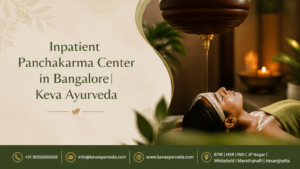
A: Yes. Keva Ayurveda is an NABH-accredited, IRDAI-approved Ayurvedic healthcare organization with 9+ locations across Bangalore. Our experienced doctors specialize in personalized Panchakarma treatment for chronic conditions including arthritis, infertility, skin disorders, and metabolic imbalances. We offer both inpatient and outpatient Panchakarma with insurance support.
Q: Does Keva Ayurveda accept insurance for Panchakarma?
A: Yes. Keva Ayurveda is IRDAI-approved and works with major health insurance providers to cover Panchakarma treatment. Our team helps you navigate insurance coverage and understand your benefits. Contact us for details on your specific policy.
Making Your Panchakarma Decision
If you're considering Panchakarma, ask yourself:
- Do I have a chronic condition that hasn't responded to conventional treatment?
- Am I experiencing persistent fatigue, brain fog, or digestive issues?
- Do I want to prevent future disease and optimize my health?
- Am I willing to commit to post-treatment lifestyle changes?
- Can I access a qualified, experienced Ayurvedic doctor?
If you answered yes to most of these questions, Panchakarma may be the transformative treatment you're seeking.
Ready to explore whether Panchakarma is right for you?
Keva Ayurveda's NABH-accredited doctors across Bangalore specialize in personalized Panchakarma treatment with insurance support and transparent pricing. Our experienced team has helped hundreds of patients with arthritis, infertility, skin disorders, and chronic conditions achieve lasting health improvements.
Schedule a free consultation with one of our Ayurvedic doctors to assess your health goals and determine whether Panchakarma is the right approach for your condition. With 9+ locations across Bangalore and online consultation options, accessing expert Ayurvedic care has never been easier.
[Book Your Free Panchakarma Consultation with Keva Ayurveda]
Panchakarma isn't a quick fix—it's a genuine reset of your body's healing capacity. When approached with proper guidance and realistic expectations, it can be one of the most valuable investments in your long-term health and well-being.