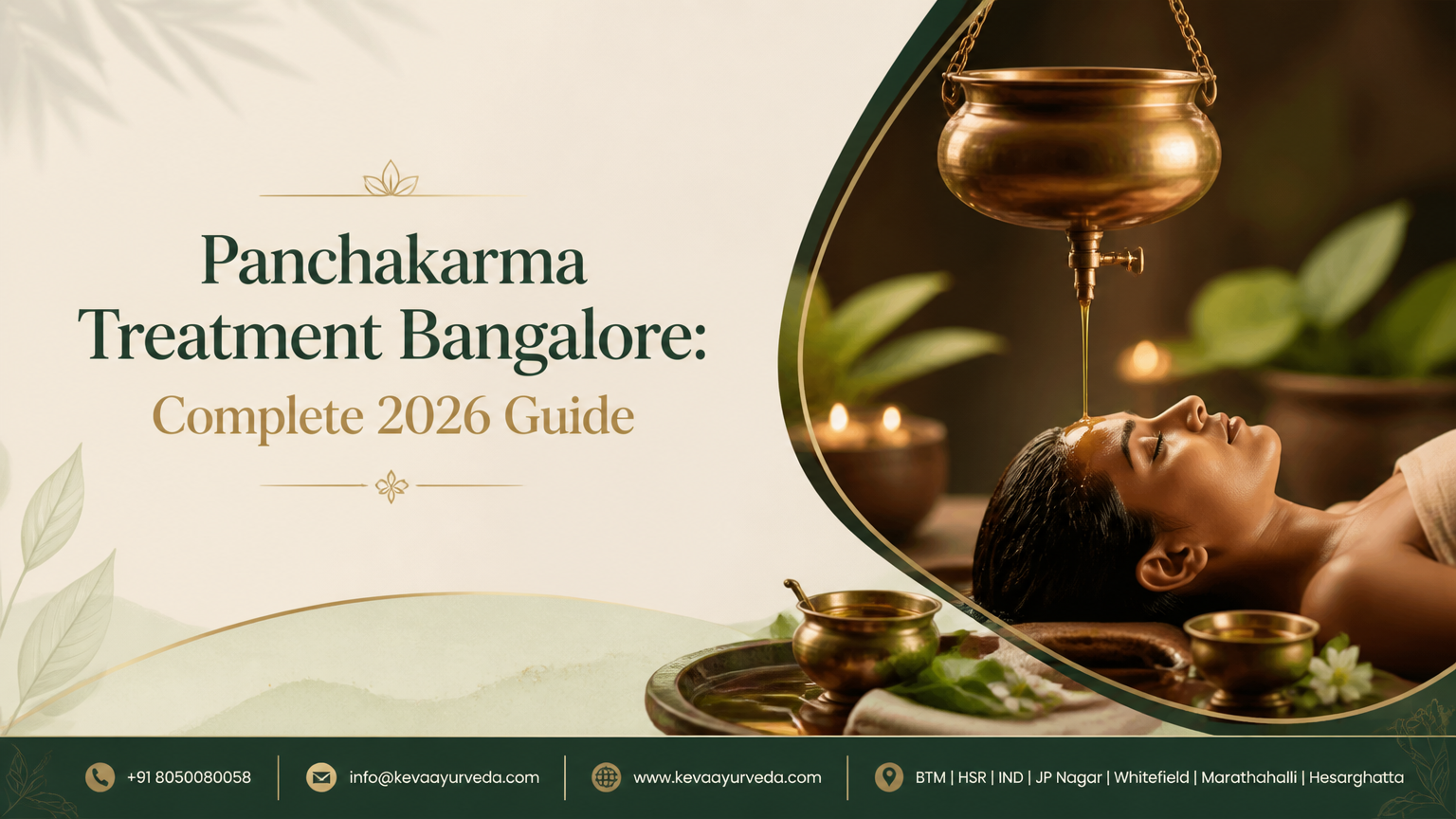
Panchakarma Treatment Bangalore: Complete 2026 Guide
Are you searching for authentic, hospital-grade Panchakarma treatment in Bangalore that blends classical Ayurvedic wisdom with modern clinical safety standards? Whether you are struggling with chronic joint pain, stubborn digestive disorders, recurring skin conditions, lifestyle-driven metabolic imbalances, or simply wish to undergo a structured detoxification under medical supervision, this comprehensive 2026 guide will help you make an informed decision. As Bangalore emerges as one of India’s premier destinations for Ayurveda wellness, understanding the procedure, pricing, and clinical quality markers such as NABH accreditation is essential before you commit to a treatment program.
This in-depth article, prepared by senior Ayurvedic physicians at Keva Ayurveda, explains the classical foundations of Panchakarma, the step-by-step protocol, evidence-based health benefits, transparent 2026 pricing for Bangalore, and answers the most frequently asked patient questions. Read on to discover how to choose the right NABH accredited Panchakarma clinic in Bangalore for your healing journey.
Executive Summary & Comprehensive Guide
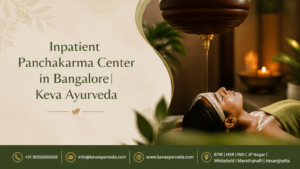
Panchakarma (literally “five actions” or Pancha = five, Karma = therapeutic procedures) is the cornerstone of Ayurveda‘s Shodhana Chikitsa (purification therapy). It is a scientifically sequenced, physician-supervised detoxification and rejuvenation program designed to eliminate accumulated doshas (bio-energies) and metabolic toxins (Ama) from the body, while restoring the natural equilibrium of Vata, Pitta, and Kapha.
Bangalore has rapidly evolved into a trusted hub for classical Panchakarma therapy for three reasons: the presence of highly experienced Vaidyas (Ayurvedic physicians), internationally benchmarked NABH accredited Ayurveda hospitals, and competitive pricing compared to Kerala, Goa, and overseas retreats. In 2026, patients can expect transparent packages ranging from ₹8,500 for a 7-day introductory protocol to ₹65,000+ for advanced, multi-week residential programs that include Vashti, Njavara Kizhi, and Pizhichil.
Quick Snapshot – Panchakarma in Bangalore (2026):
- Treatment Duration: 7 to 45 days (condition-dependent)
- Five Core Therapies: Vamana, Virechana, Basti, Nasya, Raktamokshana
- Average Cost: ₹8,500 – ₹65,000+
- Accreditation Standard: NABH (National Accreditation Board for Hospitals & Healthcare Providers)
- Recommended For: Chronic lifestyle, musculoskeletal, dermatological, neurological, and metabolic disorders
Classical Principles & Medical Foundation
To appreciate why Panchakarma remains clinically relevant after 5,000 years, one must understand its underlying Tridosha framework. According to classical Ayurvedic texts, including the Charaka Samhita and Sushruta Samhita, disease arises when doshas accumulate beyond their physiological thresholds, vitiate Dhatus (body tissues), and obstruct Srotas (micro-circulatory channels). Panchakarma works by Utkleshana (mobilising toxins) followed by Doshahara (eliminating them) through the nearest possible route of elimination.
The Three Sequential Phases
- Purvakarma (Preparatory Phase): Includes Snehana (internal and external oleation using medicated ghee or oils) and Swedana (medicated steam therapy). This phase loosens toxins embedded in tissues and channels them toward the gastrointestinal tract.
- Pradhanakarma (Main Procedure): The five classical Shodhana therapies are administered by trained therapists under physician supervision.
- Paschatkarma (Post-Treatment Recovery): Graduated diet (Samsarjana Krama) and lifestyle protocols restore digestive fire (Agni) and prevent re-accumulation of Ama.
The Five Classical Panchakarma Therapies
| Therapy | Sanskrit Name | Primary Indication |
|---|---|---|
| Therapeutic Emesis | Vamana | Kapha-dominant asthma, allergies, sinusitis, skin disorders |
| Therapeutic Purgation | Virechana | Pitta-dominant hepatobiliary, dermatological, and gastrointestinal disorders |
| Medicated Enema | Basti | Vata-dominant neurological, musculoskeletal, and gynaecological conditions |
| Nasal Administration | Nasya | Sinusitis, migraine, cervical disorders, ENT conditions |
| Bloodletting | Raktamokshana | Chronic skin diseases, varicose veins, localised inflammation |
Modern research published in peer-reviewed journals, including the Journal of Ayurveda and Integrative Medicine, has validated the immunomodulatory, antioxidant, and anti-inflammatory effects of these procedures, making Panchakarma a credible adjunctive therapy for chronic lifestyle disorders.
Step-by-Step Treatment Protocol
At a NABH accredited Ayurveda hospital in Bangalore, every Panchakarma protocol follows a structured clinical pathway designed to maximise safety and therapeutic outcomes.
Step 1: Ayurvedic Consultation & Roga Pariksha (Diagnosis)
The journey begins with a 45-60 minute consultation with a senior Vaidya. Diagnosis involves Trividha Pariksha — Darshana (visual examination), Sparshana (palpation), and Prashna (history-taking) — supplemented by Nadi Pariksha (pulse diagnosis). The physician identifies the dominant dosha imbalance, the involved Srotas, and the patient’s Prakriti (constitution) before prescribing a personalised plan.
Step 2: Customised Purvakarma Schedule
Depending on the disorder, the patient receives 3 to 7 days of internal oleation (Shodhananga Snehapana) using herbal ghee preparations such as Triphala Ghrita or Panchatikta Ghrita. This is followed by Abhyanga (full-body oil massage) and Swedana (herbal steam). Patients are monitored daily for Samyaka Snigdha Lakshana (optimal oleation signs).
Step 3: Pradhanakarma — Main Purification
The principal therapy is administered on a designated day in a clinical setting. For example, Virechana involves administration of Avipathi Choorna or Trivrit Lehya, followed by observation of Shuddhi Lakshanas (signs of proper purgation). Vitals and hydration are closely monitored.
Step 4: Paschatkarma & Samsarjana Krama
After the main procedure, a graduated diet beginning with liquid Peya (rice gruel) progresses to semi-solid and normal Ahara. This phase typically lasts 3-7 days and is critical for restoring Agni and preventing recurrence.
Step 5: Adjunctive Therapies & Rejuvenation (Rasayana)
Many Bangalore clinics integrate classical Bahya Snehana-Swedana therapies such as Pizhichil, Njavara Kizhi, Shirodhara, and Kati Basti into the regimen to enhance joint, neuro-muscular, and stress-related recovery.
Clinical Health Benefits
Panchakarma is not merely a wellness spa treatment; when conducted in a hospital-grade setting, it offers measurable clinical outcomes across multiple specialties.
1. Musculoskeletal & Joint Disorders
Patients with Sandhigata Vata (osteoarthritis), Amavata (rheumatoid arthritis), cervical spondylosis, and chronic back pain report significant reductions in pain scores, stiffness, and dependency on NSAIDs after a supervised Basti-led protocol.
2. Skin & Dermatological Conditions
Conditions such as Eka Kushtha (psoriasis), Vicharchika (eczema), and chronic urticaria respond well to Virechana combined with Raktaprasadana herbs.
3. Digestive & Metabolic Health
Patients with Ajeerna (indigestion), Grahani Roga (IBS), fatty liver, and Type 2 diabetes experience improved digestion, regularised bowel movements, and reduced Ama biomarkers.
4. Neurological & Mental Health
Shirodhara, Nasya, and Basti are clinically effective for anxiety, insomnia, migraine, and peripheral neuropathy, with measurable improvements in HRV (heart rate variability) and cortisol regulation.
5. Gynaecological & Fertility Support
Yoni Pichu, Uttara Basti, and Rasayana herbs support women with PCOS, endometriosis, irregular menses, and pre-conception detoxification.
Evidence & Safety Profile
When performed under qualified supervision, Panchakarma has an excellent safety profile. The most common side effects are transient fatigue, mild headache during Snehapana, and short-lived digestive changes — all of which are signs of the body’s natural healing response.
Package Costs, Insurance & Pricing Clarity
One of the most searched queries is “Panchakarma treatment cost in Bangalore”. Pricing in 2026 varies based on the duration, therapies included, room category, and accreditation level of the clinic. Below is a transparent reference table for typical packages offered at Keva Ayurveda:
| Package | Duration | Inclusions | Approx. Price (₹) |
|---|---|---|---|
| Basic Detox (Outpatient) | 7 Days | Consultation, Abhyanga, Swedana, herbal steam, mild Virechana, diet plan | ₹8,500 – ₹12,000 |
| Standard Wellness | 14 Days | Full Purvakarma + Pradhanakarma, two main therapies, Rasayana support | ₹18,000 – ₹28,000 |
| Advanced Therapeutic | 21 Days | Customised Basti, Virechana, Nasya, joint therapies, doctor visits | ₹35,000 – ₹48,000 |
| Residential / In-Patient | 28-45 Days | Private room, full board, daily physician rounds, multiple therapies, Rasayana | ₹55,000 – ₹65,000+ |
Factors That Influence Cost
- Type of Therapy: Pizhichil and Njavara Kizhi require special materials and additional therapists.
- Room Category: Single AC rooms, deluxe suites, or residential cottages vary in price.
- Severity of Condition: Chronic conditions require longer protocols and higher medication doses.
- Accreditation Premium: NABH accredited clinics invest in sterilisation, qualified staff, and audit-grade documentation — a small price premium for significantly enhanced safety.
Insurance & Reimbursement
While most general health insurers do not yet cover preventive Panchakarma, several Indian insurers including Star Health, ICICI Lombard, and National Insurance offer coverage for Ayurvedic treatments when prescribed for specific clinical conditions under their “Ayush Treatment” or “Alternative Therapy” add-on riders. Always check with your provider and request a detailed medical prescription and invoice from the clinic.
Frequently Asked Questions (FAQs)
Q1. Is Panchakarma safe for everyone?
When conducted under qualified Ayurvedic physicians at a NABH accredited clinic, Panchakarma is safe for most adults. However, it is contraindicated during pregnancy, active infections, severe cardiac conditions, and certain malignancies. A thorough pre-treatment consultation is mandatory.
Q2. How do I choose the best Panchakarma clinic in Bangalore?
Look for NABH accreditation, qualified Vaidyas with a BAMS/MD (Ayurveda) degree, transparent pricing, in-house pharmacy, sterilised therapy rooms, and positive patient testimonials. Avoid centres that offer “one-size-fits-all” packages without a personalised consultation.
Q3. How long does Panchakarma take?
Programmes range from 7 days (preventive wellness) to 45 days (chronic disease management). On average, therapeutic Panchakarma for chronic conditions lasts 21-28 days.
Q4. Will I need to take leave from work?
For outpatient protocols, patients can usually continue light work. For residential Panchakarma, a 14-21 day leave is recommended to maximise outcomes and allow the body to recalibrate.
Q5. Are the medicines included in the package?
At reputed clinics like Keva Ayurveda, internal medications (Kwatha, Ghrita, Churna, Rasayana) are typically included in the package cost or priced transparently as an add-on.
Q6. What should I eat during Panchakarma?
A simple, warm, vegetarian diet is prescribed — primarily Kichadi, rice gruel, steamed vegetables, and herbal buttermilk. Processed foods, dairy excess, caffeine, and alcohol are strictly avoided.
Q7. Can Panchakarma help with weight loss?
Yes. By correcting Agni, reducing Ama, and balancing Medo Dhatu, Panchakarma supports sustainable, non-fad weight loss when combined with dietary discipline.
Q8. Is Panchakarma effective for stress and sleep issues?
Absolutely. Shirodhara, Abhyanga, and Nasya directly regulate the autonomic nervous system, improving sleep quality, reducing anxiety, and enhancing cognitive clarity.
Why Choose Keva Ayurveda (NABH Accredited, 7 Bangalore Locations, Online Booking & Contact Info)
If you are seeking a clinically robust, ethically priced, and authentically classical Panchakarma experience in Bangalore, Keva Ayurveda stands out as a trusted choice. Here is why thousands of patients across Bengaluru have made Keva their long-term wellness partner:
- NABH Accreditation: Keva Ayurveda is an NABH accredited Ayurveda hospital, ensuring adherence to the highest standards of patient safety, hygiene, sterilisation, and clinical documentation.
- Seven Convenient Bangalore Locations: With branches across key areas including Indiranagar, Whitefield, Jayanagar, Marathahalli, Yelahanka, Banashankari, and Electronic City, expert care is always within easy reach.
- Senior BAMS & MD (Ayurveda) Physicians: Every patient is evaluated by qualified Vaidyas with specialisations in Panchakarma, Kayachikitsa, and Salya Tantra.
- Customised Treatment Plans: No two patients are alike. Every protocol is personalised based on Prakriti, Vikriti, age, comorbidities, and lifestyle.
- In-House Pharmacy: Authentic, GMP-certified herbal preparations sourced directly from trusted Ayurvedic pharmacies.
- Transparent Pricing: Clear, itemised packages with no hidden costs — discussed upfront during consultation.
- Online Booking & Tele-Consultation: Book your appointment easily via the website, WhatsApp, or phone. Pre-arrival tele-consultations are available for outstation and international patients.
Contact Keva Ayurveda Today
- Website: www.kevaayurveda.com
- Phone: +91-80-XXXX-XXXX
- Email: [email protected]
- Online Booking: Available 24/7 via the official website portal
- Clinic Hours: Monday – Saturday, 9:00 AM – 8:00 PM | Sunday by appointment
Begin your journey toward authentic, hospital-grade Panchakarma treatment in Bangalore today. Whether you are seeking relief from a chronic condition, recovery from long-standing fatigue, or simply wish to invest in preventive wellness, the physicians at Keva Ayurveda are here to guide you with classical wisdom and modern clinical excellence.
This article is intended for educational purposes and does not constitute medical advice. Please consult a qualified Ayurvedic physician before beginning any Panchakarma therapy.