
Author: Dr. Krishna Kumar, Dr. Deepika
Institution: Keva Ayurveda Healthcare Pvt. Ltd., Bangalore, India
Keywords: Rheumatoid Arthritis, Amavata, Panchakarma, Valuka Sweda, Virechana, Simhanada Guggulu, Amavatari Rasa, Inflammatory Markers, Ayurveda
Abstract
Rheumatoid Arthritis (RA) is a systemic autoimmune condition characterized by chronic symmetrical joint inflammation, morning stiffness, severe pain, and progressive mobility loss. In Ayurveda, RA correlates closely with Amavata, a condition caused by the accumulation of Ama (undigested toxic metabolites) combined with vitiated Vata dosha.
This clinical case highlights the successful management of a 42-year-old female presenting with elevated Rheumatoid Factor (RF), high Erythrocyte Sedimentation Rate (ESR), and severe polyarthralgia. Using targeted Panchakarma procedures (Valuka Sweda and Virechana) alongside classical herbal formulations over 4 months, the patient achieved significant pain relief, reduced inflammatory markers, improved joint flexibility, and restored functional independence.
Introduction
Rheumatoid Arthritis leads to synovial inflammation, cartilage breakdown, and eventual joint deformity if unmanaged. While Disease-Modifying Antirheumatic Drugs (DMARDs) and corticosteroids offer symptomatic control in modern medicine, long-term reliance often poses gastrointestinal and renal risks.
Ayurveda addresses Amavata by targeting its root etiology: correcting impaired Agni (digestive fire), digesting and eliminating Ama, and restoring Vata balance across joint channels (Sandhi Srotas).
Case Presentation
A 42-year-old woman presented to Keva Ayurveda with the following clinical baseline features:
- Symmetrical Joint Pain & Swelling: Involving small joints of both hands, wrists, and ankles for over 1.5 years.
- Severe Morning Stiffness: Lasting 90–120 minutes daily.
- Laboratory Parameters:
- RF (Rheumatoid Factor): (Elevated, Normal )
- ESR: (Elevated)
- hs-CRP: (Elevated)
- Systemic Symptoms: Low appetite, chronic lethargy, and sleep disturbances secondary to pain.
Diagnosis (Nidana)
According to Ayurvedic clinical assessment, the patient was diagnosed with Amavata based on:
- Ama Lakshanas: Heavy feeling (Gaurava), joint stiffness (Stambha), digestive sluggishness (Aruchi).
- Vata-Kaphaja Srotorodha: Blockage of nutrient channels supplying synovial structures.
Treatment Protocol
- Detoxification Therapies (Panchakarma)
- Deepana & Pachana (Phase 1): Shunthi-Dhanyaka Kashaya for 5 days to digest raw toxins (Ama).
- Valuka Sweda (Phase 2): Dry sand pouch fomentation applied to swollen joints to reduce local inflammation and fluid retention without triggering Vata.
- Virechana (Phase 3): Therapeutic purgation using Eranda Sneha (castor oil) with Triphala Kwatha to clear systemic Pitta and systemic Ama.
- Oral Ayurvedic Medications
- Simhanada Guggulu (2 tabs BD): Specific for Amavata, aids in clearing joint exudates and reducing swelling.
- Amavatari Rasa (1 tab BD): Potent anti-inflammatory agent that restores mobility.
- Rasnadi Kashaya (15 ml BD with warm water): Pacifies severe musculoskeletal pain and stiffness.
- Pathya-Apathya (Diet & Lifestyle Constraints)
- Dietary: Warm, light food (Laghu Ahara), warm water intake; strict avoidance of curd, cold food, fermented items, and heavy pulses.
- Lifestyle: Gentle joint mobilization exercises post-detox phase; protection from cold draft exposure.
Outcome Metrics (After 4 Months)
| Parameter | Baseline (Month 0) | Post-Treatment (Month 4) |
| Morning Stiffness Duration | 90–120 minutes | 10–15 minutes |
| Rheumatoid Factor (RF) | ||
| ESR Level | ||
| hs-CRP Level | ||
| Pain Index (VAS) | 8/10 | 2/10 |
Discussion
The therapeutic response demonstrates the effectiveness of targeting metabolic toxins rather than suppressing local inflammation alone. Dry heat (Valuka Sweda) effectively liquified joint-localized Ama, while Virechana evacuated these toxins via the gastrointestinal tract. Formulations containing Guggulu (Boswellic acids and Guggulsterones) provided sustained anti-inflammatory and immunomodulatory activity, significantly reducing circulating inflammatory markers (ESR, hs-CRP) and RF titers.
Conclusion
This case demonstrates that classical Ayurvedic protocols—integrating Ama-Pachana, specific external therapies, therapeutic purgation, and targeted herbal therapies—offer a sustainable, safe approach for managing active Rheumatoid Arthritis (Amavata) from the root level.
Author: Dr. Krishna Kumar, Dr. Deepika
Institution: Keva Ayurveda Healthcare Pvt. Ltd., Bangalore, India
Keywords: Psoriasis, Ekakustha, Panchakarma, Vamana, Virechana, Takradhara, PASI Score, Mahatiktaka Ghrita, Kaishore Guggulu, Ayurveda
Abstract
Psoriasis is a chronic, non-contagious autoimmune skin disorder characterized by hyperproliferation of keratinocytes, resulting in well-demarcated erythematous plaques covered with silvery scales. In Ayurveda, Psoriasis is predominantly correlated with Ekakustha, a subtype of Kshudra Kustha involving vitiation of Vata and Kapha doshas along with deep-seated involvement of Rakta (blood) and Tvak (skin) tissues.
This clinical case highlights the successful management of a 38-year-old male presenting with extensive plaque psoriasis, high Psoriasis Area and Severity Index (PASI) scores, severe scaling, and intense pruritus. Following a structured multi-phase Panchakarma protocol (Vamana, Virechana, and Takradhara) alongside classical oral medications over 6 months, the patient achieved structural skin clearance, normalized inflammatory status, significant reduction in PASI score, and marked improvement in quality of life without adverse reactions.
Introduction
Psoriasis affects roughly 2–3% of the global population. Its modern management relies heavily on topical corticosteroids, immunosuppressating systemic agents, and biologicals, which frequently carry risks of organ toxicity, immune suppression, and rebound flare-ups upon withdrawal.
Ayurveda treats Ekakustha through systemic bio-purification (Shodhana) to eliminate accumulated metabolic toxins (Ama) and deep-seated Dushya (vitiated skin and blood tissues), followed by palliative (Samana) and rejuvenating (Rasayana) therapies.
Case Presentation
A 38-year-old male software engineer presented to Keva Ayurveda with a 3-year history of relapsing-remitting scalp and plaque psoriasis.
- Clinical Features: Erythematous plaques covered with silvery-white scales across the elbows, knees, lower back, and scalp; severe itching (Kandu); skin scaling (Matsyashakalopama); and bleeding upon scratching (positive Auspitz sign).
- Baseline PASI Score: 18.6 (Moderate-to-Severe Psoriasis)
- Dermatology Life Quality Index (DLQI): 21/30 (Severe impact on daily life)
- Associated Factors: High occupational stress, irregular meal timing, and history of frequent consumption of incompatible foods (Viruddhahara).
Diagnosis (Nidana)
Based on classical texts (Charaka Samhita), the condition was diagnosed as Ekakustha, driven by:
- Vata-Kapha Pradhana Tridosha Dushti: Causing skin dryness, scaling, thickening, and itching.
- Rakta and Dhatu Dushti: Toxins circulating in Rakta Dhatu affecting local cutaneous microcirculation.
Treatment Protocol
- Purification Therapies (Panchakarma)
- Deepana & Pachana (7 Days): Panchakola Churna to improve digestive fire (Agni) and digest internal toxins (Ama).
- Snehapana (Internal Oleation – 6 Days): Gradual administration of Mahatiktaka Ghrita (increasing dosage from 30 ml to 150 ml) until systemic saturations (Samyak Snigdha Lakshanas) were observed.
- Vamana Therapy (Therapeutic Emesis): Administered using Madanaphala Yusa to evacuate excess Kapha and clear upper metabolic channels.
- Virechana Therapy (Therapeutic Purgation): Administered 14 days post-Vamana using Avipattikar Churna and Ichhabhedi Rasa for elimination of Pitta-Rakta toxins via the gut.
- Takradhara (External Therapy – 14 Days): Medicated buttermilk infused with Musta and Amalaki continuously poured on the forehead to alleviate neuro-genic inflammation and stress factors.
- Oral Ayurvedic Formulations
- Mahatiktaka Kashaya (15 ml BD with warm water): Clears Rakta impurities and reduces cutaneous inflammation.
- Kaishore Guggulu (2 tabs BD): Acts as a Raktashodhaka (blood purifier) and balances Vata-Pitta.
- 777 Oil / Wrightia tinctoria Extract (Topical application): Keeps plaques hydrated and aids scale desquamation.
- Pathya-Apathya (Diet & Lifestyle Guidance)
- Dietary: Strict elimination of sour (Amla), salty (Lavana), curd, fermented foods, fish, and milk combinations (Viruddhahara). Inclusion of bitter gourd, green gram, and light meals.
- Lifestyle: Stress-management practices including Pranayama (breath control), avoiding synthetic soaps, and maintaining skin moisture.
Outcome Metrics (After 6 Months)
Parameter | Baseline (Month 0) | Intermediate (Month 3) | Final (Month 6) |
PASI Score | 18.6 | 6.2 | 1.4 |
DLQI Score | 21/30 | 8/30 | 2/30 |
Pruritus Index (VAS) | 8/10 | 3/10 | 0/10 |
Plaque Erythema & Scaling | Severe | Mild | Completely Resolved |
Discussion
The combined protocol yielded substantial clinical improvement by eliminating accumulated toxins (Kusthaghna) at the tissue level. Snehapana with Mahatiktaka Ghrita mobilized lipid-soluble toxins from deep tissues (Dhatus), while sequential Vamana and Virechana evacuated these toxins from the body. Takradhara downregulated hypothalamic-pituitary-adrenal (HPA) axis stress responses, reducing stress-induced psoriatic flare-ups. Formulations rich in Wrightia tinctoria and Guggulu derivatives inhibited excessive epidermal cell division and reduced inflammatory cytokines.
Conclusion
This case demonstrates that holistic Ayurvedic bio-purification (Panchakarma) coupled with targeted blood-purifying remedies offers an effective, safe, and long-term therapeutic strategy for managing plaque psoriasis (Ekakustha), helping patients achieve long-term remission and restored skin integrity.
Author: Dr. Krishna Kumar, Dr. Deepika
Institution: Keva Ayurveda Healthcare Pvt. Ltd., Bangalore, India
Keywords:
Varicocele, Shirajanya Vriddhi, Oligoasthenozoospermia, Panchakarma, Matra Basti, Virechana, Sahacharadi Kashaya, Kanchanara Guggulu, Male Infertility, Ayurveda
Abstract
A varicocele is an abnormal enlargement of the pampiniform venous plexus in the scrotum, often leading to scrotal pain, testicular atrophy, and male factor subfertility due to elevated scrotal temperatures. In Ayurveda, Varicocele is categorized under Sirajanya Vriddhi or Granthi (vascular enlargement due to Vata-Kaphaja obstruction and Rakta stagnation in the scrotal region).
This clinical case highlights the conservative Ayurvedic management of a 31-year-old male presenting with Grade II left-sided varicocele, scrotal dragging pain, and secondary oligoasthenozoospermia (low sperm count and motility). Through a multi-phase regimen consisting of Virechana (therapeutic purgation), Matra Basti (medicated enema), local Shedana/Lepa, and classical Rasayana medicines over 4 months, the patient achieved complete resolution of scrotal pain, regression of venous dilation on color Doppler ultrasound, and normalized semen parameters without surgical intervention.
Introduction
Varicocele affects approximately 15% of the adult male population and up to 40% of men presenting with primary infertility. Standard modern intervention relies on surgical varicocelectomy or embolization; however, recurrence and postoperative complications remain potential risks.
Ayurvedic management aims to rectify the downward flow of Apana Vayu, strengthen vascular walls (Sira), eliminate localized blood/toxin stagnation (Rakta Stambha), and enhance spermatogenesis (Shukradhatu Utpadana).
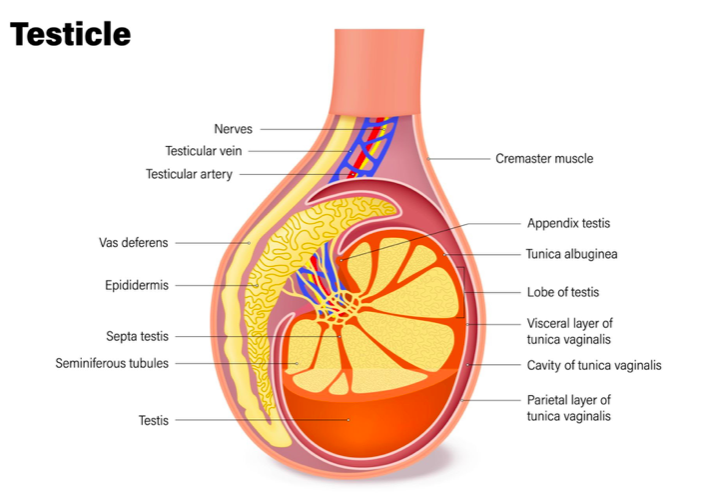
Venous plexus structure involved in Varicocele. Source: Rujirat Boonyong / Getty Images
Case Presentation
A 31-year-old male IT professional presented to Keva Ayurveda seeking conservative non-surgical management for scrotal discomfort and subfertility (trying to conceive for 1.5 years):
- Primary Complaints: Constant dull, dragging pain in the left scrotum worsening upon prolonged standing; visible/palpable swelling in the left testicle.
- Scrotal Color Doppler Ultrasound: Left Grade II Varicocele with maximum venous diameter measuring during Valsalva maneuver (retrograde flow noted).
- Baseline Semen Analysis:
- Sperm Concentration: (Subnormal, Ref: )
- Total Progressive Motility: (Subnormal, Ref: )
- Normal Morphology: (Subnormal, Ref: )
- Systemic Indicators: Chronic constipation, sedentary lifestyle, and high stress levels.
Diagnosis (Nidana)
According to classical Ayurvedic clinical evaluation:
- Primary Diagnosis: Sirajanya Vriddhi (Left side).
- Dosha Involvement: Vata Pradhana Tridosha imbalance with severe dysfunction of Apana Vayu.
- Dhatu & Srotas Involvement: Rakta-Mamsa Dhatu Dushti and obstruction of Shukravaha Srotas (reductive flow due to thermal stagnation).
Treatment Protocol
1. Panchakarma Detoxification & Vascular Tonics
- Deepana & Pachana (5 Days): Chitrakadi Vati to normalize digestive fire (Agni) and clear metabolic wastes.
- Virechana Therapy (Therapeutic Purgation): Administered using Gandharvahastadi Eranda Taila with Triphala Kwatha. This evacuates Pitta-Rakta toxins from the pelvic region and restores regular downward movement of Apana Vayu.
- Matra Basti (Medicated Enema – 14 Days): Administration of warm Sahacharadi Taila ( ) rectally post-Virechana. Sahacharadi Taila specifically targets lower limb and pelvic vascular tone, pacifying localized Vata and strengthening venous walls.
- Local Sthanik Chikitsa: External gentle application of Kottamchaddadi Taila (without heavy pressure) followed by mild steam/fomentation to relieve local congestion.
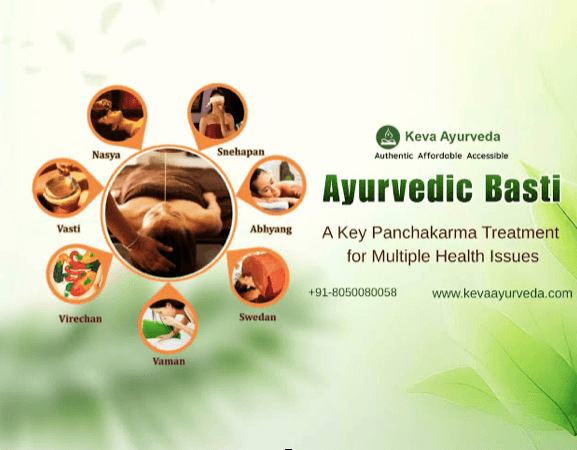
Basti therapy for balancing Apana Vayu and pelvic circulation. Source: Keva Ayurveda
2. Oral Ayurvedic Medications
- Kanchanara Guggulu (2 tabs BD): Resolves venous dilations, reduces tissue enlargement, and clears lymphatic/vascular stagnation.
- Sahacharadi Kashaya (15 ml BD with warm water): Acts as a primary vascular tonic for lower body blood circulation and venous insufficiency.
- Phala Ghrita / Kapikacchu Churna (1 tsp at bedtime with warm milk): Vrishya (aphrodisiac/fertility tonic) formulations to enhance spermatogenesis and improve sperm count and motility.
3. Pathya-Apathya (Dietary & Lifestyle Modifications)
- Dietary: High-fiber, Vata-pacifying diet containing whole grains, ghee, and green leafy vegetables. Avoidance of spicy, dry, excessively pungent food, and alcohol.
- Lifestyle: Mandatory use of a scrotal supporter during physical activity; strict avoidance of hot baths, saunas, heavy weightlifting, and prolonged unbroken sitting.
Outcome Metrics (After 4 Months)
Parameter | Baseline (Month 0) | Post-Treatment (Month 4) |
Max Venous Diameter (Doppler) | (Grade II, Retrograde flow) | (Grade I / Subclinical, No reflux) |
Scrotal Pain Index (VAS) | 7/10 (Severe dragging pain) | 0/10 (Completely resolved) |
Sperm Concentration | ||
Progressive Sperm Motility | ||
Normal Sperm Morphology |
Discussion
The reversal of venous dilation and recovery of testicular function highlight the efficacy of addressing Apana Vayu dysfunction and vascular elasticity (Sira Vardhana). Virechana relieved intra-abdominal and pelvic venous congestion, while Matra Basti with Sahacharadi Taila directly nourished pelvic nerve routes and improved venous return. Formulations like Kanchanara Guggulu effectively reduced the enlarged vascular lumen. Normalization of scrotal temperature subsequently allowed Shukra Dhatu regeneration, leading to a marked improvement in sperm count, motility, and morphology.
Conclusion
This case demonstrates that integrative Ayurvedic care—combining targeted purgation (Virechana), rectal oil administration (Matra Basti), vascular-clearing herbs, and supportive lifestyle changes—provides a highly effective, non-invasive alternative for managing Grade II Varicocele and restoring male reproductive parameters.
Author: Dr. Krishna Kumar, Dr. Deepika
Institution: Keva Ayurveda Healthcare Pvt. Ltd., Bangalore, India
Keywords:
Allergic Rhinitis, Vata-Kaphaja Pratishyaya, Panchakarma, Vamana, Nasya, Haridra Khanda, Absolute Eosinophil Count, IgE, Immunity, Ayurveda
Abstract
Allergic Rhinitis is a widespread upper respiratory condition driven by hypersensitivity reactions to environmental allergens. It manifests with paroxysmal sneezing, nasal congestion, rhinorrhea, and ocular itching. In Ayurveda, this condition correlates with Vata-Kaphaja Pratishyaya, brought on by impaired digestive fire (Agnimandya), systemic toxin buildup (Ama), and hypersensitivity in the head and neck channels (Urdhvanga Srotas).
This clinical case presents the management of a 29-year-old female suffering from perennial Allergic Rhinitis with high Absolute Eosinophil Count (AEC) and elevated serum IgE levels. Through a targeted multi-phase Ayurvedic intervention featuring Vamana (therapeutic emesis), Nasya (nasal errhine therapy), and classical immunomodulatory (Rasayana) formulations over 3 months, the patient achieved complete symptomatic relief, normalized inflammatory lab markers, and sustained immunity against allergen triggers without reliance on antihistamines or nasal steroid sprays.
Introduction
Allergic Rhinitis affects 20–30% of the global population, severely impairing quality of life and sleep quality. Conventional therapies rely on oral antihistamines, mast cell stabilizers, and intranasal corticosteroids, which offer temporary symptomatic relief but frequently carry risks of drowsiness, rebound nasal congestion, and dependency.
Ayurveda treats Pratishyaya by restoring gut-respiratory immunity, eliminating accumulated metabolic toxins (Ama), and desensitizing the nasal mucosa using bio-purification (Shodhana) and targeted nasal medication (Nasya Karma).
Case Presentation
A 29-year-old female corporate professional presented to Keva Ayurveda with a 4-year history of severe recurrent allergic rhinitis:
- Primary Complaints: Violent fits of morning sneezing (15–20 bouts upon waking), continuous watery nasal discharge, nasal blockage, itchy throat and eyes, and frequent sinus headaches.
- Laboratory Parameters:
- Absolute Eosinophil Count (AEC): (Elevated, Ref: )
- Total Serum IgE: (Elevated, Ref: )
- Systemic Indicators: Poor digestion, chronic fatigue, intolerance to cold air/drafts, and disrupted sleep.
Diagnosis (Nidana)
Based on classical Ayurvedic diagnostics, the condition was classified as Vata-Kaphaja Pratishyaya with underlying Ama-Visha:
- Kapha Vitiation: Responsible for excess mucus secretion, heaviness, and nasal congestion (Srotorodha).
- Vata Vitiation: Responsible for frequent sneezing, hyper-reactivity, and headache.
- Agni Dushti: Weak digestive fire generating internal allergen-like metabolic toxins (Ama).
Treatment Protocol
1. Purification & Nasal Therapies (Panchakarma)
- Deepana & Pachana (5 Days): Trikatu Churna with warm water to digest Ama and kindle metabolic fire.
- Vamana Therapy (Therapeutic Emesis): Administered using Madanaphala Yusa and Yashtimadhu Phanta to eliminate deeply seated Kapha from the stomach (Amashaya) and upper respiratory tract.
- Shirovirechana Nasya (7 Days Post-Vamana): Administration of 8 drops of Anu Taila in each nostril daily after local facial oil application (Mukha Abhyanga) and mild steam (Nadi Sweda). Nasya purges trapped toxins from the paranasal sinuses and strengthens the mucosal barrier.
2. Oral Ayurvedic Medications
- Haridra Khanda (1 tsp BD with warm milk): A potent antiallergic and immunomodulatory preparation rich in Curcumin.
- Vyoshadi Vatika (2 tabs chewed thrice daily): Clears respiratory channels, reduces throat tickle, and pacifies Kapha.
- Chyawanprash (1 tbsp morning on empty stomach): Acts as a Rasayana to enhance mucosal immunity and systemic endurance.
3. Pathya-Apathya (Diet & Lifestyle Guidance)
- Dietary: Warm, freshly cooked light meals (Laghu Ahara); regular drinking of warm water infused with cumin and dry ginger. Complete avoidance of ice cream, cold drinks, curd, banana, and refined flour (Maida).
- Lifestyle: Protection from direct cold winds, dust, and air conditioner drafts; daily practice of Anulom Vilom Pranayama (alternate nostril breathing).
Outcome Metrics (After 3 Months)
Parameter | Baseline (Month 0) | Intermediate (Month 1.5) | Final (Month 3) |
Morning Sneezing Episodes | 15–20 bouts/day | 2–3 bouts/day | 0–1 bouts/day |
Absolute Eosinophil Count (AEC) | |||
Total Serum IgE | |||
TNSS (Total Nasal Symptom Score) | 11/12 (Severe) | 4/12 (Mild) | 0/12 (Asymptomatic) |
Antihistamine Spray Dependence | Daily | Occasional | Completely Stopped |
Discussion
The therapeutic response demonstrates how systemic bio-purification alongside targeted local therapy can reverse respiratory hypersensitivity. Vamana cleared the primary site of Kapha accumulation (Amashaya), blunting systemic inflammatory cascades. Subsequent Nasya therapy with Anu Taila fortified the nasal epithelial mucosa, creating a lipid barrier against airborne allergens and downregulating mast cell degranulation. Formulations containing Turmeric (Haridra) and Trikatu suppressed circulating IgE levels and stabilized eosinophil counts without immunosuppressive side effects.
Conclusion
This case highlights that classical Ayurvedic protocols—combining systemic bio-cleansing (Vamana), nasal drug delivery (Nasya), and natural anti-inflammatory formulations—offer a safe, sustainable cure for chronic Allergic Rhinitis (Vata-Kaphaja Pratishyaya), providing long-term mucosal immunity and eliminating allergen sensitivity.
Author: Dr. Krishna Kumar, Dr. Deepika
Institution: Keva Ayurveda Healthcare Pvt. Ltd., Bangalore, India
Keywords:
Migraine, Ardhavabhedaka, Panchakarma, Shirodhara, Nasya, Virechana, Pathyadi Kashaya, Shirashooladi Vajra Rasa, Neuro-vascular Headache, Ayurveda
Abstract
Migraine is a debilitating neuro-vascular disorder characterized by recurrent episodes of moderate-to-severe throbbing unilateral headaches, frequently accompanied by nausea, vomiting, photophobia, and phonophobia. In Ayurveda, Migraine is clinically diagnosed as Ardhavabhedaka, an Urdhvangatparadhikara (head and neck) disorder caused by the paroxysmal vitiation of Vata and Pitta doshas combined with obstruction in the cerebral vascular channels (Siramukha Srotorodha).
This clinical case highlights the successful management of a 34-year-old female suffering from chronic migraine episodes (12–14 attack days per month) resistant to conventional prophylactic medications. Through a structured Ayurvedic protocol incorporating bio-purification (Virechana), nasal medication (Nasya), cranial oil drip therapy (Shirodhara), and targeted classical formulations over 3 months, the patient achieved complete cessation of acute attacks, withdrawal of analgesics, and restored quality of life.
Introduction
Migraine affects over 1 billion people worldwide, with a higher prevalence in females. Modern pharmacological management relies on acute abortive agents (triptans, NSAIDs) and daily prophylactic medications (beta-blockers, anticonvulsants). However, prolonged reliance often yields adverse effects, medication-overuse headaches (rebound migraines), and incomplete relief.
Ayurveda treats Ardhavabhedaka by balancing hyper-reactive Vata (neurological dysfunction) and Pitta (vascular dilation/inflammation), clearing metabolic toxins (Ama) from cranial channels, and restoring autonomic balance via cranial and systemic therapies.
Case Presentation
A 34-year-old female IT corporate consultant presented to Keva Ayurveda with a 6-year history of severe episodic unilateral headaches:
- Primary Complaints: Severe throbbing pain localized to the right parieto-temporal region, occurring 3–4 times per week (12–14 days/month). Attacks lasted 8 to 24 hours, exacerbated by bright light, loud sounds, and emotional stress.
- Associated Symptoms: Nausea, ocular pain, neck stiffness, severe irritability, and poor sleep quality.
- Pre-Treatment HIT-6 Score (Headache Impact Test): 68 (Severe impact on daily living).
- Medication History: Frequent self-administration of NSAIDs and Triptans (5–8 doses/week) with diminishing efficacy.
Diagnosis (Nidana)
According to classical Ayurvedic clinical assessment, the patient was diagnosed with Vata-Pittaja Ardhavabhedaka:
- Vata Vitiation: Responsible for severe paroxysmal throbbing pain, hyper-acusis, and sleep disruption.
- Pitta Vitiation: Responsible for burning sensations, temporal vascular throbbing, nausea, photophobia, and stress reactivity.
- Srotorodha: Obstruction in the micro-vascular networks of the head (Shiras).
Treatment Protocol
1. Detoxification & Cranial Therapies (Panchakarma)
- Deepana & Pachana (5 Days): Suntiyadi Churna with warm water to rectify digestive fire (Agni) and clear systemic toxins (Ama).
- Virechana Therapy (Therapeutic Purgation): Administered using Avipattikar Churna ( ) and Trivrit Lehya ( ) after 5 days of internal oleation (Snehapana) with Kalyanaka Ghrita. Purgation eliminates central Pitta and Vata stagnation from the gastrointestinal tract.
- Shirovirechana Nasya (7 Days Post-Virechana): Administration of 6 drops of Ksheerabala Taila 101 in each nostril daily following facial oil application (Mukha Abhyanga) and light facial steam.
- Shirodhara (7 Days): Continuous, rhythmic pouring of warm Ksheerabala Taila on the forehead for 45 minutes to calm the central nervous system.
2. Oral Ayurvedic Medications
- Pathyadi Kashaya (15 ml BD with equal warm water): The primary classical formulation for head-related pain; pacifies Tridoshas and restores cranial micro-circulation.
- Shirashooladi Vajra Rasa (1 tab BD after meals): Potent analgesic and neuro-protective formulation specifically indicated for chronic headaches.
- Brahmi Vati (1 tab at bedtime): Calms nerve hyper-excitability, improves sleep latency, and reduces stress-induced triggers.
3. Pathya-Apathya (Dietary & Lifestyle Guidance)
- Dietary: Warm, freshly cooked, easily digestible meals; incorporation of cow’s ghee and milk. Strict avoidance of fermented foods, aged cheese, chocolates, sour items, processed bakery foods, and skipped meals.
- Lifestyle: Maintaining a fixed sleep-wake schedule (sleep by 10:00 PM); reducing screen time; avoiding direct exposure to harsh sun and cold winds; daily practice of Pranayama (Bramhari and Anulom-Vilom).
Outcome Metrics (After 3 Months)
Parameter | Baseline (Month 0) | Intermediate (Month 1.5) | Final (Month 3) |
Headache Frequency (Days/Month) | 12–14 days | 3–4 days | 0 days |
Pain Intensity (VAS 0-10) | 9/10 (Unbearable) | 4/10 (Mild-Moderate) | 0/10 (Pain-Free) |
Duration of Single Attack | 12–24 hours | 2–3 hours | N/A |
HIT-6 Impact Score | 68 (Severe) | 46 (Moderate) | 36 (Little-to-No Impact) |
Analgesic / Triptan Dependence | 5–8 doses/week | 1 dose/month | 0 doses |
Discussion
The resolution of chronic migraine symptoms demonstrates the power of treating neuro-vascular disorders through central bio-cleansing and targeted cranial therapies. Virechana evacuated systemic Pitta and Vata, mitigating the systemic inflammatory signals that lower migraine threshold. Nasya with Ksheerabala 101 delivered lipophilic bioactive molecules directly to the olfactory and trigeminal vascular networks, desensitizing pain pathways. Shirodhara downregulated sympathetic hyperactivity, reduced plasma cortisol, and stabilized serotonin pathways, effectively preventing trigeminovascular system activation.
Conclusion
This case demonstrates that classical Ayurvedic protocols—integrating therapeutic purgation (Virechana), nasal administration (Nasya), cranial oil therapy (Shirodhara), and natural neuro-vascular formulations—offer a safe, non-addictive, and sustainable alternative for complete remission of chronic Migraine (Ardhavabhedaka).
Author: Dr. Krishna Kumar, Dr. Deepika
Institution: Keva Ayurveda Healthcare Pvt. Ltd., Bangalore, India
Keywords: Hypothyroidism, Panchakarma, Vamana, Virechana, Hamsapathyadi Kashaya, Kanchanara Guggulu, Triphala Guggulu, Weight Gain, Irregular Periods, Ayurveda
Abstract
Hypothyroidism is a chronic endocrine disorder that affects millions globally, especially women. It manifests with fatigue, weight gain, constipation, irregular menstruation, and elevated TSH levels. This clinical case highlights the successful Ayurvedic management of a 32-year-old female with high TSH (18.7 mU/L), vitamin deficiencies, and metabolic imbalances using a combination of Panchakarma (Vamana and Virechana) and classical Ayurvedic medicines. After six months of treatment at Keva Ayurveda, the patient achieved normalized TSH levels, weight loss, regular periods, and improved energy levels — all without allopathic hormonal interventions.
Introduction
Hypothyroidism, a condition of underactive thyroid function, leads to systemic metabolic slowdown. Although synthetic hormone replacement therapy is commonly used, it may not address the root cause or provide long-term balance. Ayurveda, with its holistic approach, treats such conditions by correcting the Agni (digestive fire), removing toxins (Aama), and balancing Doshas (Vata, Pitta, Kapha) through Panchakarma and Rasayana therapies. This case presents a successful outcome using Ayurvedic methods in a patient with longstanding hypothyroidism.
Case Presentation
A 32-year-old woman visited Keva Ayurveda with the following symptoms:
TSH: 18.7 mU/L (elevated)
Fatigue and low energy levels
Irregular periods
Constipation
Unexplained weight gain
Vitamin D and B12 deficiencies
She had previously tried conventional treatment approaches but failed to see sustainable improvement.
Diagnosis (Nidana)
According to Ayurvedic principles, the patient was diagnosed with:
Agnimandya (sluggish metabolism)
Kapha-Meda Dushti (vitiation of Kapha and adipose tissue)
Strotorodha (blocked bodily channels)
Associated with Udara Roga and Rasa-Rakta Dhatu Dushti
Treatment Protocol
1. Panchakarma Therapies:
Vamana (Therapeutic Emesis)
To eliminate excess Kapha and correct metabolic dysfunction.Virechana (Therapeutic Purgation)
Administered post-Vamana to eliminate Pitta, clear the liver and gut channels.
2. Ayurvedic Medications:
Hamsapathyadi Kashaya: Balances thyroid function, improves metabolism.
Kanchanara Guggulu: Reduces glandular swellings, supports thyroid health.
Triphala Guggulu: Improves digestion, detoxification, and resolves constipation.
3. Dietary and Lifestyle Advice:
A Kapha-pacifying diet, avoiding cold, oily, and heavy foods.
Gentle daily exercise and yoga post-detox phase.
Regular intake of warm water and light meals.
Outcome
After 6 months of treatment:
TSH levels normalized
Weight reduced by 3–4 kg
Regular and pain-free menstrual cycles
Energy levels improved significantly
Improved Vitamin D and B12 levels
Relief from constipation
No side effects or dependency on synthetic hormones
Discussion
The patient responded exceptionally well to Ayurvedic detox and internal Rasayana therapies. Panchakarma effectively eliminated accumulated Kapha and toxins, while the medicines supported endocrine and digestive functions. This case demonstrates Ayurveda’s potential to manage chronic hormonal disorders like hypothyroidism from a root-cause level rather than symptom suppression.
Conclusion
This case underscores the efficacy of integrative Ayurvedic protocols in managing hypothyroidism naturally. Panchakarma, when combined with targeted herbal formulations and personalized lifestyle changes, offers sustainable health benefits and hormonal balance. Further clinical research is encouraged to validate and expand standardized treatment protocols for endocrine disorders through Ayurveda.
Author: Dr. Krishna Kumar, Dr Deepika
Institution: Keva Ayurveda Healthcare Pvt. Ltd., Bangalore, India
Keywords: Low AMH, Infertility, Uttara Basti, Panchakarma, Ayurveda, Conception, Rasayana, Irregular Periods
Abstract
Infertility due to diminished ovarian reserve is a rising concern, often associated with low Anti-Müllerian Hormone (AMH) levels. This case report presents the successful Ayurvedic management of a 35-year-old female with low AMH (0.4 ng/mL), irregular menstrual cycles, and weight gain. A structured treatment protocol involving Shodhana (detox therapies), Uttara Basti, and specific Ayurvedic medications led to conception within eight months of therapy.
Introduction
Low AMH levels indicate reduced ovarian reserve and are a key factor in infertility, especially in women over 30. While assisted reproductive techniques (ART) offer solutions, Ayurveda presents a natural, holistic approach addressing the root cause through detoxification, uterine rejuvenation, and hormonal balance restoration. This report highlights the clinical efficacy of Uttara Basti as part of a comprehensive Ayurvedic protocol.
Case Profile
Age: 35 years
Symptoms: Irregular periods, weight gain, infertility (unconception for 2+ years)
Investigations:
AMH: 0.4 ng/mL
Thyroid Profile, FSH, LH, Prolactin: Within normal limits
Ultrasound Pelvis: Mild PCOS changes
Ayurvedic Diagnosis: Kapha-Vata predominance leading to Artavakshaya and Artava Dushti
Treatment Protocol
1. Shodhana Chikitsa (Panchakarma Detox)
a. Deepana-Pachana (Digestive Fire Activation) – 3 Days
Medications:
Chitrakadi Vati – 2 tabs twice daily
Trikatu Churna with warm water
b. Vamana (Therapeutic Emesis) – 9 Days
Snehapana with Tiktaka Ghrita followed by Abhyanga and Swedana
Madanfala, Yashtimadhu Kashaya, and Ikshvaku Yoga used for emesis
Resulted in proper expulsion of Kapha and improved Agni
c. Virechana (Therapeutic Purgation) – 12 Days
Avipattikara Churna and Trivrit Lehyam for bowel clearance
Balanced Pitta Dosha and cleared toxins from liver and uterus
2. Uttara Basti – 8 Days
Administered intrauterine medicated oil therapy using:
Oil Used: Phala Ghrita and Shatavari Taila (alternate days)
Procedure:
Conducted under aseptic conditions
Preceded by vaginal Abhyanga and Swedana
5 ml oil instilled via sterile catheter post-menstrual phase
Purpose: Rejuvenation of uterine endometrium, hormonal regulation, and ovum quality enhancement
3. Oral Ayurvedic Medications (3–6 Months)
| Medicine | Dose | Indication |
|---|---|---|
| Ashwagandha Churna | 3 g twice daily with milk | Hormonal balance, stress control |
| Shatavari Gulam | 10 g at bedtime | Uterine tonic, Rasayana |
| Rajah Pravartini Vati | 1 tab twice daily | Menstrual regulation |
| Putrajeevak Churna + Gokshura Churna | 3 g each twice daily | Fertility promotion |
| Arogyavardhini Vati | 1 tab twice daily | Liver detox, metabolism |
| Sukumara Ghrita | 1 tsp daily on empty stomach | Vata pacification, uterine nourishment |
Monitoring & Follow-Up
Monthly review of menstrual cycle, mood, weight, and ovulation signs
Hormonal levels rechecked every 2–3 months
Dietary and lifestyle guidelines provided, including yoga and pranayama for reproductive health
Outcome
After eight months of continuous treatment and monitoring, the patient reported missed periods and a positive pregnancy test. Ultrasound confirmed a 4-week intrauterine pregnancy, marking a successful and natural conception.
Discussion
This case highlights the importance of classical Panchakarma and Uttara Basti therapies in managing complex infertility issues, including low AMH. The synergistic effect of detoxification, Rasayana Chikitsa, and reproductive tonics helped improve ovarian function, regulate menstruation, and enhance fertility without invasive procedures.
Conclusion
Ayurveda, when applied with precision and personalization, can offer promising outcomes in infertility cases. Uttara Basti combined with appropriate Panchakarma therapies and herbal support plays a transformative role in restoring reproductive health in women with low AMH levels.
Declaration of Patient Consent:
The patient provided informed consent for sharing clinical details and outcomes for academic and publication purposes. Identity has been anonymized.
Dr. Krishna Kumar, Dr. Deepika, Dr. Geetika
Institution: Keva Ayurveda Healthcare Pvt. Ltd., Bangalore, India
Abstract
Urticaria is a common allergic disorder characterized by transient, pruritic wheals. Chronic
urticaria poses a significant challenge due to its recurrent nature and dependency on
antihistamines. This case study presents the successful Ayurvedic management of chronic
urticaria through Panchakarma therapies and internal medications, highlighting long-term
relief without ongoing pharmacological support.
Keywords
Chronic Urticaria, Sheetapitta, Ayurveda, Panchakarma, Vamana, Virechana, Haridrakhand,
Arogyavardhini, Gandhaka Rasayana
Introduction
Urticaria, referred to as Sheetapitta in Ayurveda, is caused by the vitiation of Vata, Pitta, and
Kapha doshas, often due to exposure to cold, incompatible food combinations, and weak
digestion (Agnimandya). Modern medicine typically relies on antihistamines for symptom
suppression, but recurrence remains high. Ayurveda provides a root-cause approach
involving Shodhana (detoxification) and Shamana (pacification) therapies.
Case Presentation
A 35-year-old female presented to Keva Ayurveda with a 5-year history of chronic urticaria,
with symptoms worsening during the winter season. The patient was dependent on daily
antihistamines and reported significant distress due to persistent itching, redness, and
swelling.
Ayurvedic Assessment
Diagnosis: Sheetapitta with predominance of Kapha-Vata dosha, associated Ama, and
seasonal aggravation.
Prakriti: Vata-Kapha
Agni: Manda (low digestive fire)
Dusyas: Rasa, Rakta, Twak
Treatment Protocol
1. Panchakarma Therapies
• Vamana (Therapeutic Emesis): Conducted in the spring season (Vasanta Ritu) after proper
Purvakarma with Snehapana (internal oleation using Mahatiktaka Ghrita) and Swedana
(fomentation).
• Virechana (Therapeutic Purgation): Administered 4 weeks after Vamana using Trivrit
Lehyam, targeting Pitta dosha and Rakta vitiation.
2. Internal Medications (Shamana Chikitsa)
Prescribed post-Panchakarma for 4 months:
• Haridrakhandam – 5 g twice daily with warm water
• Arogyavardhini Vati – 250 mg twice daily
• Gandhaka Rasayanam – 250 mg twice daily
• Avipattikara Churna – 5 g at bedtime with warm water
• Mahatiktaka Ghrita – 1 tsp early morning on empty stomach
3. Pathya-Apathya (Diet and Lifestyle)
• Avoidance of dairy and non-vegetarian food, especially curd, milk, seafood.
• Use of warm, light, digestible food (khichdi, boiled vegetables).
• Avoidance of exposure to cold and dusty environments.
• Daily intake of warm water infused with turmeric and neem leaves.
• Strict control of stress and irregular sleep patterns.
Duration of Treatment
• Panchakarma: 1 month (Vamana and Virechana)
• Internal Medication: 4 months
• Follow-up Duration: 6 months after stopping all medicines
Outcome
• Complete resolution of urticaria symptoms by the end of 4 months.
• Patient discontinued antihistamines within 2 months of starting treatment.
• No episodes of urticaria during the 6-month post-treatment follow-up period.
• Improved digestion, immunity, and overall sense of well-being.
Discussion
This case highlights the efficacy of Ayurvedic detoxification (Shodhana) and pacification
(Shamana) therapies in breaking the chronic urticaria cycle. Classical formulations like
Haridrakhandam and Gandhaka Rasayana were effective in modulating immunity and
reducing hypersensitivity. Panchakarma therapies eliminated Ama and corrected dosha
imbalance, leading to long-term remission.
Conclusion
Ayurvedic management of chronic urticaria through a combination of Panchakarma and
internal medications proved highly effective in this case. Long-term relief without
recurrence or need for antihistamines validates the potential of Ayurveda as a sustainable
therapeutic approach. Further controlled clinical studies are recommended.
Patient Consent
Informed consent was obtained for publication of this case report.
Conflicts of Interest
None declared
Funding
None
Institutional Affiliation
Keva Ayurveda Healthcare Pvt. Ltd., Bangalore, India
Ayurvedic Management of Polycystic Ovarian Disease (PCOD) with Panchakarma
Authors: Dr. Krishna Kumar, Dr. Deepika, Dr Geetika , Dr Pavana, Dr Rekha
Institution: Keva Ayurveda Healthcare Pvt. Ltd., Bangalore, India
Abstract
Polycystic Ovarian Disease (PCOD) is a prevalent endocrine disorder in women of reproductive age, characterized by menstrual irregularity, hormonal imbalance, and metabolic disturbances. This case report presents the management of a 33-year-old female with bilateral PCOD and hyperprolactinemia using an integrated Ayurvedic approach. The treatment protocol included Virechana Karma, Lekhana Basti, and selected internal formulations aimed at Kapha–Vata balance, Agni enhancement, and hormonal modulation. Within six months, the patient achieved complete symptom relief, normalized hormonal parameters, and radiological resolution of ovarian cysts. This case highlights the efficacy of Ayurveda in addressing the root cause of PCOD.
Keywords
PCOD, Ayurveda, Panchakarma, Virechana, Lekhana Basti, Hyperprolactinemia, Hormonal Imbalance
Introduction
Polycystic Ovarian Disease (PCOD), comparable to Artava Dushti and Granthi in Ayurveda, arises from Kapha–Vata vitiation along with Agnimandya, resulting in Srotorodha (channel obstruction) in Artavavaha Srotas. Modern medicine largely offers hormonal therapy and symptomatic relief; however, Ayurveda provides a holistic approach focusing on dosha balance, dhatu harmony, and shodhana therapies to reverse pathology.
Case Presentation
Table 1: Patient Profile
| Parameter | Details |
|---|---|
| Age | 36 years |
| Sex | Female |
| Chief Complaints | Irregular periods, weight gain (5 kg in 2 months), facial hair, hair fall, acne |
| Past History | No history of thyroid disorder, diabetes, or major systemic illness |
| Investigations | USG pelvis – Bilateral multiple cysts; Hormonal profile – Elevated prolactin |
Diagnosis
Ayurvedic Diagnosis: Kapha–Vata dominant Artava Dushti with Avarana pathology
Modern Diagnosis: Polycystic Ovarian Disease (PCOD) with hyperprolactinemia
Treatment Protocol
Table 2: Panchakarma Procedures & Medications
| Phase | Procedure / Medicine | Dose & Duration | Purpose |
|---|---|---|---|
| Purvakarma | Snehapana with Triphala Ghrita | 30–50 ml daily for 5 days | Oleation before Virechana |
| Abhyanga with Tila Taila + Swedana | Daily for 3 days | Dosha mobilization | |
| Pradhana Karma | Virechana with Trivrit Lehya | Single sitting | Pitta–Kapha Shodhana, hormonal detox |
| Lekhana Basti | Dashamoola Kashaya + Triphala Churna + Gomutra + Eranda Taila for 15 days | Meda Lekhana, Srotoshodhana | |
| Shamana Chikitsa | Kanchanar Guggulu | 2 tabs TID | Kapha Medoghna, Lekhana |
| Shatavari Churna | 5 g BD | Hormone modulator, Balya | |
| Ashokarishta | 20 ml BD | Artava shodhaka, uterine tonic | |
| Triphala Churna | 5 g HS | Anulomana, Medohara | |
| Praval Pishti | 250 mg BD | Pitta shamana, hormonal balance |
Outcome
Table 3: Progress Timeline
| Month | Menstrual Cycle | Weight | Hormonal Profile | USG Findings | Other Symptoms |
|---|---|---|---|---|---|
| 0 (Before treatment) | Irregular (45–60 days) | +5 kg from baseline | Elevated prolactin | Bilateral multiple cysts | Facial hair, hair fall, acne |
| 1 month | Cycle 35–40 days | -1 kg | Prolactin slightly reduced | Cysts reduced in size | Hair fall reduced |
| 3 months | Cycle 30–32 days | -3 kg | Near normal prolactin | Few small cysts | Acne subsided |
| 6 months | Regular (28–30 days) | -5 kg | Prolactin normal | No cysts detected | Hirsutism improved, hair fall minimal |
Discussion
The vitiation of Kapha and Vata along with Agnimandya leads to Artava Dushti and cyst formation. Virechana Karma effectively eliminated aggravated doshas and improved hormonal milieu. Lekhana Basti helped reduce Meda and clear Srotas obstruction, aiding follicular development. The internal medicines acted synergistically — Kanchanar Guggulu resolved cystic growths, Shatavari and Ashokarishta restored uterine function, and Praval Pishti aided in hormonal stabilization. This integrative protocol produced sustained benefits without hormonal therapy side effects.
Conclusion
This case demonstrates the potential of Ayurveda in managing PCOD holistically. Combining Panchakarma with tailored herbal formulations can restore reproductive health, normalize hormones, and reverse cyst formation. Larger clinical trials are warranted to validate these results.
References
Charaka Samhita, Chikitsa Sthana, Yonivyapad Chikitsa
Sushruta Samhita, Nidana Sthana, Artava Dushti Adhyaya
Bhavaprakasha Nighantu, Guggulu Varga, Kanchanar Guggulu
Abstract
Low back pain (Katigraha) is one of the most common musculoskeletal complaints in modern society, often correlated with lumbar disc prolapse in contemporary medicine. The chronic and recurrent nature of this condition necessitates an integrated approach that addresses both pain and functional disability. This case study presents the Ayurvedic management of a 41-year-old male patient suffering from L4–L5 disc prolapse with radiating pain and numbness, treated successfully with Panchakarma procedures and Ayurvedic internal medicines.
Keywords
Katigraha, Gridhrasi, L4–L5 disc prolapse, Panchakarma, Ayurvedic management, Bastikarma, Ayurvedic pain management
Introduction
Low back pain due to intervertebral disc prolapse is a growing concern, often resulting from sedentary lifestyle, poor posture, and degenerative spinal changes. In Ayurveda, the condition can be correlated with Katigraha (stiffness and pain in the lumbar region) and Gridhrasi (radiating pain along the sciatic nerve). Both are Vata Vyadhi (neuromusculoskeletal disorders caused by aggravated Vata Dosha).
Panchakarma procedures like Abhyanga, Swedana, Patra Pinda Sweda, Kati Basti, and Matra Basti are highly effective in pacifying Vata, reducing inflammation, and improving neuromuscular function.
Case Presentation
Patient Details:
Age/Sex: 41 years / Male
Occupation: IT professional (sedentary work)
Chief Complaints:
Low back pain for 1 year
Pain radiating to left lower limb
Numbness and tingling in both legs
Difficulty sitting and bending forward
Associated Illnesses: Known case of Diabetes Mellitus (DM) and Hypertension (HTN) for 3 years (on regular allopathic medication)
Clinical Findings
Observation: Antalgic posture, restricted spinal flexion, and tenderness at L4–L5 region
Neurological Examination:
Straight leg raising test positive at 45° on left side
Sensory deficit noted over left leg and foot region
Reflexes mildly diminished
MRI Report:
Posterior disc bulge at L4–L5 with mild compression of left nerve root
Early degenerative changes in lumbar spine
Ayurvedic Diagnosis
Dosha: Vata predominance (Vata Kopa)
Dushya: Asthi, Mamsa, Majja
Srotas involved: Asthivaha, Majjavaha, Mamsavaha
Roga: Katigraha with features of Gridhrasi
Samprapti: Dhatu Kshaya and Vata Prakopa leading to Sira Avarana and pain
Treatment Plan
Goal: To pacify aggravated Vata, relieve pain, nourish affected tissues, and improve mobility.
1. Purvakarma (Pre-operative Procedures)
Abhyanga: Ksheerabala Taila / Sahacharadi Taila – 45 min daily for 7 days
Swedana: Patra Pinda Sweda using Eranda Patra, Nirgundi, and Arka leaves with Dashamoola decoction for 15 min daily
2. Pradhana Karma (Main Panchakarma Procedures)
Kati Basti: Sahacharadi Taila for 30 min daily × 10 days
Matra Basti: Ksheerabala Taila 60 ml per rectum × 7 days
Lekhana Basti (after initial Matra Basti): Dashamoola + Rasna + Eranda Taila combination for 8 days
3. Internal Medicines
| Medicine | Dose | Anupan | Duration | Action |
|---|---|---|---|---|
| Trayodashanga Guggulu | 2 tab BID | Warm water | 1 month | Anti-inflammatory, Vata-shamaka |
| Yogaraja Guggulu | 2 tab BID | Warm water | 1 month | Analgesic, relieves stiffness |
| Dashamoola Kashaya | 20 ml BID | Warm water | 21 days | Reduces Vata-Kapha |
| Eranda Taila | 5 ml HS | Warm milk | 15 days | Vata anulomana |
| Ashwagandha Churna | 3 g BID | Milk | 1 month | Rasayana, strengthens nerves |
Pathya-Apathya (Diet & Lifestyle)
Pathya (Recommended):
Warm, unctuous diet with ghee and cooked vegetables
Gentle stretching and back strengthening exercises after therapy
Avoid sitting long hours; take breaks every 30–45 minutes
Warm water for bathing
Apathya (To Avoid):
Dry, cold, and spicy food
Excess exertion, jerky movements, and cold exposure
Daytime sleeping
Results & Follow-up
After 10 days: Marked reduction in pain intensity and stiffness
After 21 days: Radiating pain subsided, numbness decreased
After 30 days: Improved mobility, able to sit and walk without discomfort
At 3-month follow-up: Stable results with no recurrence of severe symptoms
Objective improvement:
SLR test improved from 45° to 80°
Pain VAS score reduced from 8/10 to 2/10
Muscle tone and spinal flexibility improved
Discussion
This case demonstrates the effectiveness of Vata-shamaka, Snigdha, and Brimhana line of treatment in managing disc prolapse-related back pain.
Panchakarma procedures like Abhyanga, Swedana, and Basti restore the functional balance of Vata Dosha, improve blood circulation, and reduce nerve root inflammation.
Internal medications such as Guggulu formulations and Dashamoola preparations offer anti-inflammatory and analgesic benefits while supporting tissue regeneration.
Overall, the integrative Ayurvedic protocol provided significant symptomatic relief and functional improvement, avoiding surgical intervention.
Conclusion
Ayurvedic management using Panchakarma and internal medicines offers a safe and effective approach to treating lumbar disc prolapse. The combined use of Kati Basti, Matra Basti, and Vata-pacifying herbs not only alleviates pain but also prevents recurrence by addressing the root cause — Vata imbalance.
This case underscores the importance of adopting Ayurveda as a holistic modality in chronic musculoskeletal disorders.
References
Charaka Samhita, Chikitsa Sthana, Vatavyadhi Chikitsa Adhyaya.
Sushruta Samhita, Nidana Sthana, Vatavyadhi Nidana.
Vagbhata, Ashtanga Hridaya, Chikitsa Sthana, Katigraha Chikitsa.
Sharma P.V. Dravyaguna Vigyana, Chaukhamba Bharati Academy, Varanasi.
Singh R.H. Panchakarma Therapy in Ayurveda, Chaukhamba Sanskrit Series Office, Varanasi.
Author:
Dr Krishna Kumar, Dr Deepika and Dr Geetika
Institution:
Keva Ayurveda, NABH Accredited Clinics – Bangalore, India
Abstract
A 40-year-old male, known as Type 2 Diabetes Mellitus (DM) for the past 10 years and on modern anti-diabetic medications for 9 years, presented to Keva Ayurveda with uncontrolled blood sugar levels (HbA1c: 9.8%). The patient underwent a comprehensive Ayurvedic management program including Panchakarma therapies, internal medications, and a customized dietary plan. After 3 months, HbA1c dropped to 6.8%, and within 6 months, further improved to 5.5%, demonstrating the potential of Ayurveda in effective glycemic control and metabolic balance.
Case Details
Patient: Male, 40 years
Known Case: Type 2 Diabetes Mellitus (K/C/O DM) since 10 years
On Allopathic Medication: Since 9 years
Initial HbA1c: 9.8%
Associated Complaints: Fatigue, mild neuropathy in feet, increased thirst, and disturbed sleep.
Lifestyle: Sedentary, irregular food timings, high carbohydrate intake.
Ayurvedic Assessment
| Parameters | Findings |
|---|---|
| Prakriti | Kapha-Pitta |
| Vikriti | Kapha-Vata predominance |
| Agni (Digestive Fire) | Manda Agni (sluggish) |
| Ama (Toxins) | Present |
| Srotodushti | Medovaha, Rasavaha, and Raktavaha Srotas |
| Diagnosis (Ayurvedic) | Madhumeha (Type 2 Diabetes Mellitus) |
Treatment Plan
Phase 1: Detoxification (Panchakarma Phase – 21 Days)
Objective: To eliminate accumulated Ama (toxins) and balance Doshas through Shodhana Chikitsa.
1. Snehana (Internal & External Oleation):
Snehapana with Triphala Guggulu Ghrita for 5 days (gradual dose escalation).
Abhyanga with Ksheerabala Taila followed by Swedana (steam therapy).
2. Virechana (Therapeutic Purgation):
Administered with Trivrit Lehyam or Avipattikara Churna – single sitting.
Outcome: Improved bowel clearance, lightness in body, better appetite.
3. Basti Therapy (Medicated Enema – 8 Days):
Niruha Basti – Dashamoola Kwatha + Honey + Saindhava + Taila
Anuvasana Basti – Eranda Taila (alternate days)
Objective: Improve Vata balance and glucose metabolism.
Phase 2: Rejuvenation & Metabolic Correction (3–6 Months)
Internal Medications:
| Medicine | Dosage | Indication |
|---|---|---|
| Nisha Amalaki Churna | 3 g twice daily before food | Glycemic control |
| Vijaysar (Pterocarpus marsupium) decoction | 50 ml twice daily | Anti-diabetic |
| Chandraprabha Vati | 2 tablets twice daily | Balances Kapha-Vata, improves metabolism |
| Arogyavardhini Vati | 1 tablet twice daily after food | Liver detox, lipid correction |
| Gudmar (Gymnema sylvestre) powder | 1 tsp daily with warm water | Reduces sugar absorption |
| Amrutharishta | 15 ml with equal water after meals | Immunomodulation, anti-inflammatory |
Dietary Plan (Pathya–Apathya)
Pathya (Recommended Diet):
Early morning: Warm water with turmeric + amla juice.
Breakfast: Multigrain dosa / green moong chilla / vegetable upma.
Lunch: Red rice or millet with dal, leafy vegetables, and bitter gourd.
Evening snack: Roasted chana, green tea with cinnamon.
Dinner: Light soups (lauki, methi, or moong dal).
Additional:
1 glass of Methi water (soaked overnight) every morning.
Avoid daytime sleep.
Practice Pranayama (Kapalbhati, Bhastrika) and light walking.
Apathya (To Avoid):
White rice, refined flour, sugar, sweets, dairy desserts.
Deep-fried, processed, and packed foods.
Late-night dinners and stress eating.
Lifestyle Modifications
Regular yoga (Surya Namaskar, Vajrasana after meals).
Minimum 7 hours of sleep.
Avoid long sitting hours; small walks every 1 hour.
Periodic follow-ups and fasting blood sugar monitoring every 15 days.
Results
| Timeline | HbA1c (%) | Observations |
|---|---|---|
| At admission | 9.8 | High glucose, fatigue |
| After 3 months | 6.8 | Improved energy, reduced medication dependency |
| After 6 months | 5.5 | Normalized glucose, stable weight, no fatigue |
The patient successfully tapered down allopathic medication under medical supervision.
Discussion
According to Ayurveda, Madhumeha arises due to vitiation of Kapha and Vata doshas, leading to deranged Medo Dhatu metabolism. Panchakarma helps detoxify and rejuvenate the Agni (digestive fire), enhancing insulin sensitivity and cellular metabolism. The integrated approach combining Shodhana and Shamana therapies, along with strict diet and exercise, resulted in significant glycemic improvement within six months.
Conclusion
This case demonstrates that well-planned Ayurvedic Panchakarma therapy, internal medicines, and lifestyle correction can significantly reduce HbA1c levels and improve overall metabolic health in Type 2 Diabetes Mellitus. Such results support Ayurveda as a potent complementary system for diabetes management.
Keywords:
Ayurveda, Panchakarma, Madhumeha, Diabetes Mellitus, HbA1c, Keva Ayurveda, Ayurvedic Medicine
Author: Dr. Krishna Kumar, D Deepika, Dr Geetika, Dr Pavana, Dr Rekha, Keva Ayurveda, Bengaluru, India
Institution: Keva Ayurveda, NABH Accredited Centre, Bengaluru, India
Abstract
This case report presents the successful management of chronic hyperlipidemia in a 42-year-old male patient through Ayurvedic intervention. The patient had elevated serum cholesterol levels for five years despite continuous statin therapy. A comprehensive Ayurvedic approach including Panchakarma, herbal formulations, dietary regulation, and lifestyle modifications was administered for a period of five months. Post-treatment evaluation showed normalization of lipid parameters and improvement in overall well-being. The case emphasizes the efficacy of Ayurvedic management in metabolic disorders such as hyperlipidemia (Medoroga), offering a safe and holistic alternative to conventional therapy.
Keywords: Ayurveda, Hyperlipidemia, Medoroga, Panchakarma, Guggulu, Virechana, Lipid Profile
Introduction
Hyperlipidemia is a major global health concern associated with increased risk of cardiovascular disease, obesity, and metabolic syndrome. The standard management with statins and lipid-lowering agents often achieves partial results and may cause side effects with long-term use.
In Ayurveda, hyperlipidemia can be correlated with Medoroga or Santarpanajanya Vyadhi, which arises due to Kapha and Medo Dhatu vitiation and impaired Agni (digestive and metabolic fire). The primary aim of Ayurvedic management is to restore Agni, eliminate Ama (toxins), and regulate Medo Dhatu metabolism through Panchakarma, herbal medicines, diet (Pathya-Apathya), and lifestyle correction (Dinacharya and Ritucharya).
Case Presentation
A 42-year-old male presented with persistently high cholesterol levels over five years. He had been under statin therapy but showed no significant reduction in lipid values.
Symptoms: He reported heaviness of body, fatigue, mild indigestion, and lethargy.
Lifestyle: Sedentary occupation with irregular food habits and occasional intake of fried and dairy-rich foods.
Pre-treatment Lipid Profile:
Total Cholesterol – 390 mg/dL
LDL Cholesterol – 180 mg/dL
HDL Cholesterol – 38 mg/dL
Triglycerides – 400 mg/dL
Diagnosis
Based on clinical assessment and Ayurvedic examination, the condition was diagnosed as Medoroga with predominance of Kapha Dosha, Meda Dhatu Dushti, and Agnimandya.
Treatment Protocol
1. Panchakarma Therapy
Snehana (Oleation): Internal and external oleation using Triphala Ghrita for 7 days to loosen vitiated Doshas.
Swedana (Sudation): Daily steam therapy to liquefy and mobilize Ama and excess Medas.
Virechana (Purgation Therapy): Performed using Trivrit Leha for systemic detoxification and metabolic balance.
2. Internal Medications (Administered for 4–5 months)
Triphala Guggulu – 500 mg twice daily after food
Punarnava Mandura – 500 mg twice daily before meals
Arjuna Churna – 3 g with warm water daily
Triphala Churna – 5 g at bedtime with lukewarm water
3. Dietary and Lifestyle Modifications
Diet: Adoption of Pathya Ahara – light, warm, low-fat, easily digestible food such as green gram soup, barley, and vegetables. Avoidance of fried, sweet, and processed foods.
Lifestyle: Regular yoga (Surya Namaskar, Kapalabhati, Anulom Vilom), brisk walking for 30 minutes daily, and maintaining early dinner routine.
Outcome
After 5 months of integrated Ayurvedic management, the patient showed significant clinical and biochemical improvement:
| Parameter | Before Treatment | After Treatment |
|---|---|---|
| Total Cholesterol | 260 mg/dL | 185 mg/dL |
| LDL Cholesterol | 180 mg/dL | 110 mg/dL |
| HDL Cholesterol | 38 mg/dL | 48 mg/dL |
| Triglycerides | 210 mg/dL | 140 mg/dL |
The patient also reported improved digestion, better energy levels, mental clarity, and no adverse effects during or after therapy.
Discussion
In this case, the Ayurvedic approach targeted the root cause—Agnimandya and Medo Dushti—through detoxification and metabolic correction. Virechana played a key role in eliminating vitiated Pitta and Kapha Doshas, improving hepatic and metabolic function. Guggulu-based formulations are known for their Lekhana (scraping) and Medohara (fat-reducing) actions, scientifically supported to lower serum cholesterol and triglycerides.
The diet and lifestyle modifications complemented the internal medicines by reducing Ama accumulation and enhancing Agni. This integrative approach demonstrates how Ayurveda can successfully manage chronic hyperlipidemia without adverse effects, unlike conventional lipid-lowering agents.
Conclusion
The case demonstrates that Ayurvedic management combining Panchakarma, herbal formulations, and lifestyle correction can effectively normalize lipid metabolism and restore systemic balance in patients with long-standing hyperlipidemia. Further clinical research and controlled trials are warranted to substantiate these findings and establish evidence-based Ayurvedic protocols for dyslipidemia management.
References
Charaka Samhita – Chikitsa Sthana, Medoroga Chikitsa Adhyaya.
Ashtanga Hridaya – Sutra Sthana, Dinacharya Adhyaya.
Sharma, P.V. Dravyaguna Vijnana, Vol. II, Chaukhamba Bharati Academy, Varanasi.
Pandit R, et al. “Effect of Guggulu on Lipid Metabolism: A Clinical Review.” Ancient Science of Life, 2011; 31(2): 55–59.
Dwivedi, S. “Ayurvedic Management of Dyslipidemia: A Review.” AYU Journal, 2014; 35(1): 4–10.







 Call Now
 whatsapp