Pizhichil Ayurvedic Therapy: Procedure, Benefits & Complete Guide
For over five millennia, Ayurveda — the ancient Indian science of life — has preserved a treasure trove of therapeutic procedures designed to restore harmony between body, mind, and consciousness. Among the most revered of these is Pizhichil (pronounced pizhi-chil), often called the “Royal Treatment” or “Oil Bath Therapy” of Ayurveda. Historically reserved for royalty and warrior kings of Kerala, Pizhichil has emerged today as one of the most sought-after Panchakarma adjunct therapies for chronic neuromuscular disorders, degenerative joint conditions, and systemic rejuvenation. This comprehensive guide, authored by senior Ayurvedic physicians at Keva Ayurveda, will walk you through every clinical, procedural, and therapeutic dimension of this remarkable therapy.
Executive Summary & Overview
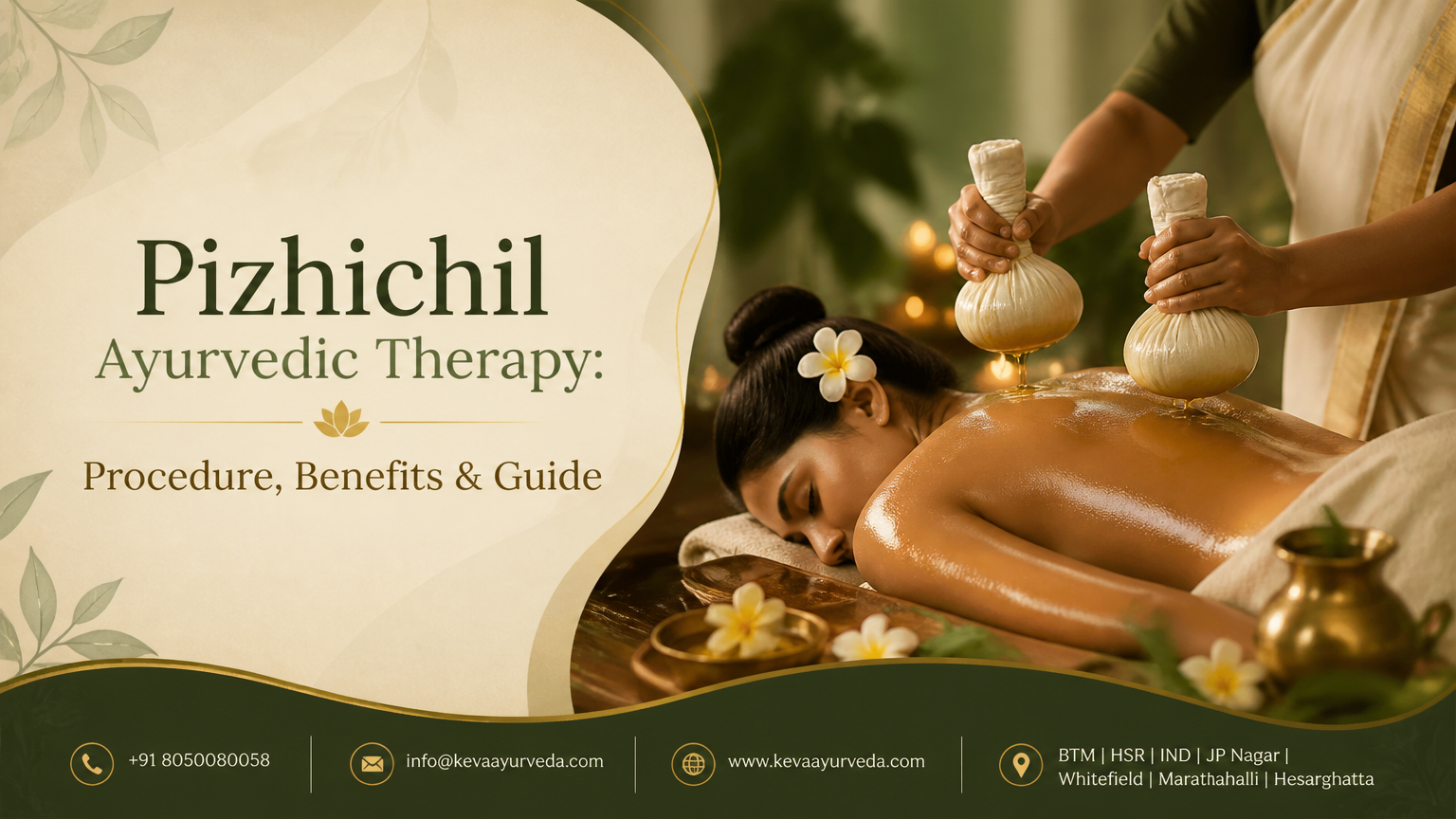
Pizhichil is a unique Bahya Snehana (external oleation) therapy that combines two classical Ayurvedic procedures simultaneously: Snehana (oil massage) and Swedana (medicated steam). The word “Pizhichil” derives from the Malayalam verb “pizhu”, meaning “to squeeze” or “to pour,” and refers to the continuous, rhythmic pouring of warm, medicated oil over the patient’s body in a specific pattern, accompanied by gentle synchronized massage.
This dual-action therapy was traditionally prescribed for kings and aristocrats of the Travancore dynasty in Kerala, who would undergo Pizhichil as a seasonal rejuvenation ritual. Today, modern Ayurvedic hospitals and wellness centers — including Keva Ayurveda’s seven Bangalore branches — offer this therapy as a clinical intervention for a wide range of conditions.
Key Highlights at a Glance:
- Therapy Type: Bahya Snehana + Swedana (External Oleation + Medicated Fomentation)
- Classical Reference: Keraleeya Panchakarma tradition, codified in Ayurveda Samhitas
- Duration: 45–90 minutes per session, typically 7, 14, or 21 days
- Primary Indications: Paralysis, hemiplegia, neuropathy, arthritis, multiple sclerosis, chronic fatigue
- Contraindications: Acute fever, active infections, severe skin eruptions, pregnancy (first trimester)
- Best Season: Monsoon and early winter (June–February) for optimal Dosha balance
Classical Ayurvedic Principles & Root Cause Analysis
To truly appreciate Pizhichil, one must understand the Ayurvedic framework in which it operates. According to Charaka Samhita and Sushruta Samhita, the foundational texts of Ayurveda, all disease arises from the imbalance of three fundamental bio-energies known as Doshas: Vata (movement and nervous system), Pitta (transformation and metabolism), and Kapha (structure and lubrication).
The Role of Vata in Chronic Disorders
Pizhichil is primarily a Vata-pacifying therapy. Vata Dosha, characterized by qualities of dryness (Ruksha), coldness (Sheeta), lightness (Laghu), and mobility (Chala), governs all movement in the body — including nerve impulses, joint articulation, and circulation. When Vata becomes aggravated due to factors such as:
- Chronic stress and overwork
- Inadequate sleep and irregular routines
- Cold, dry weather exposure
- Excessive consumption of dry, cold, or processed foods
- Aging (Jara)
- Trauma or injury
…it manifests as a constellation of symptoms including joint pain (Sandhishoola), muscle stiffness (Mamsa Stambha), tremors (Kampa), numbness (Supti), anxiety, insomnia, and degenerative changes. Pizhichil directly counteracts these qualities by introducing warmth, lubrication, and stability through warm medicated oils.
Mechanism of Action from an Ayurvedic Perspective
The therapy works on multiple levels:
- Snehana (Oleation): Medicated oils penetrate through the skin (Twak) into deeper tissues (Rasa, Rakta, Mamsa, Meda), nourishing Dhatu (tissues) and pacifying aggravated Vata.
- Swedana (Fomentation): The warmth of the oil and subsequent steam opens Srotas (micro-channels), facilitating Dosha mobilization and elimination.
- Marma Stimulation: The synchronized massage activates vital energy points (Marma), enhancing Prana (life force) flow.
- Ojas Enhancement: Regular sessions build Ojas (vital essence), strengthening immunity and resilience.
Modern Scientific Correlation
Contemporary research aligns with these classical observations. Studies published in peer-reviewed journals have demonstrated that warm oil massage improves peripheral circulation, reduces inflammatory markers (CRP, IL-6), enhances parasympathetic nervous system activity, and promotes the release of endorphins and serotonin. The transdermal absorption of herbal phytochemicals — including withanolides from Ashwagandha and boswellic acids from Shallaki — provides measurable anti-inflammatory and neuroprotective effects.
Step-by-Step Procedure & Protocol
At Keva Ayurveda, every Pizhichil session follows a meticulously standardized protocol, refined over years of clinical practice and aligned with NABH (National Accreditation Board for Hospitals and Healthcare Enterprises) quality standards.
Phase 1: Pre-Treatment Assessment (Day 1)
- Comprehensive Rogi Pariksha (patient examination) including Prakriti analysis (constitution assessment)
- Nadi Pariksha (pulse diagnosis) to evaluate current Dosha status
- Review of medical history, current medications, and lifestyle factors
- Customization of oil formulation based on individual Vikriti (current imbalance)
- Establishment of treatment goals and session count
Phase 2: Pre-Treatment Preparation (Purva Karma)
- Internal Oleation (Snehana): Administration of medicated ghee (Ghrita) such as Panchatikta Ghrita or Brahmi Ghrita for 3–5 days prior to enhance tissue receptivity.
- External Oleation: Gentle full-body oil massage (Abhyanga) with selected medicated oils.
- Fomentation (Swedana): Mild steam therapy to open channels.
Phase 3: Main Pizhichil Procedure (Pradhana Karma)
The actual Pizhichil session unfolds as follows:
| Step | Action | Duration | Clinical Purpose |
|---|---|---|---|
| 1 | Patient lies on a specialized Droni (treatment table) in Supine position | 2 minutes | Comfortable positioning on a wooden table designed for oil collection |
| 2 | Two trained therapists begin synchronized massage with warm oil | Throughout | Stimulates Marma points and prepares tissues for deeper penetration |
| 3 | Continuous pouring of warm medicated oil (38–42°C) from a cloth bundle (Pindi) in seven standardized postures | 45–75 minutes | Ensures uniform oleation across all body parts |
| 4 | Patient is repositioned every 10–15 minutes (sitting, lateral, prone, supine) | Throughout | Complete coverage of anterior, posterior, and lateral body surfaces |
| 5 | Oil temperature is monitored continuously to maintain therapeutic warmth | Throughout | Prevents thermal injury and optimizes absorption |
| 6 | Final gentle massage and rest period | 10–15 minutes | Allows Dosha stabilization and integration |
| 7 | Herbal steam (Herbal Sweda) follows in selected protocols | 10–15 minutes | Enhances Srotas opening and Dosha mobilization |
Phase 4: Post-Treatment Care (Paschat Karma)
- Rest period of 30–60 minutes in a warm, quiet room
- Warm water bath (Snehana Snana) with herbal cleansers
- Light, warm, easily digestible meal (Samsarjana Krama)
- Specific dietary and lifestyle guidelines (Pathya) for the treatment period
- Avoidance of cold exposure, excessive travel, and strenuous activity
Evidence-Based Health Benefits
Pizhichil’s therapeutic spectrum is remarkably broad, supported by both classical Ayurvedic texts and emerging clinical research.
Neurological Benefits
- Hemiplegia & Paraplegia Recovery: Significant improvement in motor function, muscle tone, and coordination in post-stroke patients
- Peripheral Neuropathy: Reduction in numbness, tingling, and burning sensations in diabetic and idiopathic neuropathy
- Multiple Sclerosis Support: Symptomatic relief from spasticity, fatigue, and sensory disturbances
- Parkinson’s Disease: Improvement in tremor amplitude and rigidity (adjunctive therapy)
- Bell’s Palsy: Accelerated facial nerve recovery when initiated early
Musculoskeletal Benefits
- Osteoarthritis (Sandhigata Vata): Reduced joint pain, improved mobility, decreased morning stiffness
- Rheumatoid Arthritis: Symptomatic relief during remission phases
- Cervical & Lumbar Spondylosis: Reduced radicular pain and improved range of motion
- Muscular Dystrophy Support: Slowed progression of weakness in selected cases
- Chronic Back Pain: Long-lasting relief from discogenic and postural pain
Systemic & Rejuvenative Benefits
- Anti-aging & Rasayana Effects: Improved skin texture, luster, and elasticity; reduction in fine lines
- Stress & Anxiety Reduction: Lowered cortisol levels, improved sleep quality, enhanced emotional well-being
- Immune Modulation: Strengthened Ojas and resistance to recurrent infections
- Circulatory Enhancement: Improved peripheral blood flow and lymphatic drainage
- Detoxification Support: Mobilization of Ama (metabolic toxins) for elimination
Comparative Benefits Table
| Condition | Conventional Approach | Pizhichil Ayurvedic Approach | Distinct Advantage |
|---|---|---|---|
| Chronic Joint Pain | NSAIDs, physiotherapy | Medicated oil + massage + steam | Addresses root Vata imbalance, no gastric side effects |
| Post-Stroke Paralysis | Rehabilitation, medications | Deep tissue oleation + Marma therapy | Holistic neuromuscular restoration |
| Stress & Insomnia | Anxiolytics, sleep aids | Warm oil therapy + Shirodhara combination | Natural relaxation without dependency |
| Skin Aging | Cosmetic procedures, supplements | Herbal oil penetration + Rasayana | Internal + external rejuvenation |
Herbal Formulations & Dietary Recommendations
The therapeutic efficacy of Pizhichil depends critically on the quality and composition of the medicated oils used. At Keva Ayurveda, oils are prepared in-house following classical Sneha Kalpana (oil preparation) methods.
Common Medicated Oils Used in Pizhichil
- Dhanwantharam Thailam: The most widely used oil, containing over 30 herbs including Dashamoola (ten roots), Bala, and Ashwagandha. Ideal for neurological and musculoskeletal conditions.
- Ksheerabala Thailam: A milk-based preparation with Bala (Sida cordifolia), excellent for Vata disorders and nervous system rejuvenation.
- Sahacharadi Thailam: Particularly effective for sciatica, lower back pain, and leg-related Vata symptoms.
- Mahanarayana Thailam: A classical formulation for joint disorders, paralysis, and degenerative conditions.
- Pinda Thailam: Used in inflammatory joint conditions with Pitta involvement.
- Chandanadi Thailam: Cooling variant for conditions with Pitta aggravation.
Dietary Recommendations During Pizhichil Treatment
Diet (Ahara) is considered the foundation of healing in Ayurveda. During Pizhichil therapy, patients are advised to follow:
| Recommended (Pathya) | Avoid (Apathya) |
|---|---|
| Warm, freshly cooked meals | Cold foods and beverages |
| Easy-to-digest grains (rice, khichdi) | Heavy, fried, processed foods |
| Warm milk with turmeric or Ashwagandha | Yogurt, cheese, ice cream |
| Steamed vegetables, moong dal | Raw salads, cold smoothies |
| Herbal teas (ginger, coriander, fennel) | Caffeinated drinks, carbonated beverages |
| Ghee in moderate quantities | Excessive spices, sour foods |
| Early, light dinner (before 8 PM) | Late-night eating |
Lifestyle Recommendations
- Maintain regular sleep schedule (10 PM – 6 AM)
- Practice gentle Yoga and Pranayama as advised
- Avoid exposure to cold wind and air conditioning
- Stay emotionally balanced; practice meditation
- Refrain from excessive screen time and mental strain
Pricing & Package Options at Keva Ayurveda
Keva Ayurveda offers transparent, value-driven pricing for Pizhichil therapy across all seven Bangalore branches. Each package includes pre-treatment consultation, customized oil formulation, therapy sessions, and post-treatment guidance.
| Package | Sessions | Duration | Inclusions | Indicative Price (₹) |
|---|---|---|---|---|
| Pizhichil Starter | 7 sessions | 7 days | Consultation, oil, therapy, basic diet plan | 8,500 – 10,500 |
| Pizhichil Standard | 14 sessions | 14 days | Consultation, oil, therapy, full Pathya plan, follow-up | 16,500 – 19,500 |
| Pizhichil Premium | 21 sessions | 21 days | Complete Panchakarma integration, Rasayana support, lifestyle coaching | 24,500 – 29,500 |
| Custom Therapeutic Plan | As prescribed | Variable | Tailored for specific conditions (stroke, MS, severe arthritis) | On consultation |
Note: Prices are indicative and subject to customization based on individual condition, oil formulation, and additional therapies. EMI options and insurance support available for eligible patients.
Frequently Asked Questions (FAQs)
Q1. Is Pizhichil painful or uncomfortable?
No. Pizhichil is a deeply relaxing and pleasant experience. The warm oil and gentle massage typically induce a state of profound calm. Some patients may feel mild warmth or heaviness, which is normal and indicates therapeutic action.
Q2. How many sessions will I need?
The number of sessions depends on your condition, chronicity, and overall health. Acute conditions may respond in 7 sessions, while chronic neurological or degenerative conditions typically require 14–21 sessions for lasting benefit.
Q3. Can Pizhichil be combined with other Ayurvedic therapies?
Absolutely. Pizhichil is often combined with Shirodhara, Abhyanga, Elakizhi, Njavarakizhi, and internal Panchakarma procedures for comprehensive results. Your physician will design an integrated protocol.
Q4. Are there any side effects?
When administered by trained therapists under physician supervision, Pizhichil is extremely safe. Minor temporary effects like mild fatigue, warmth, or emotional release may occur as the body adjusts — these are signs of healing, not adverse reactions.
Q5. Is Pizhichil suitable for elderly patients?
Yes, with appropriate modifications. Elderly patients often benefit tremendously from Pizhichil for age-related Vata disorders, joint stiffness, and general debility. Treatment is customized to individual capacity.
Q6. Can I take Pizhichil during winter?
Winter is actually one of the best seasons for Pizhichil, as the cold weather aggravates Vata and the warm oil therapy provides counterbalancing relief. However, it can be effectively administered year-round with proper care.
Q7. Will I need to follow a special diet during treatment?
Yes, dietary guidelines (Pathya) are an integral part of the therapy. Following them enhances therapeutic outcomes by approximately 30–40% according to clinical observations.
Q8. How soon will I see results?
Many patients report improved sleep, reduced anxiety, and enhanced well-being within the first 3–5 sessions. Structural improvements in chronic conditions typically become evident by the 10th–14th session.
Q9. Is Pizhichil covered by insurance?
Some health insurance policies now cover Ayurvedic treatments, including Pizhichil, particularly when prescribed for specific medical conditions. Our administrative team can assist with documentation.
Q10. Can Pizhichil help with stress and burnout?
Yes. Pizhichil is one of the most effective Ayurvedic therapies for stress-related disorders, chronic fatigue syndrome, and burnout. It deeply relaxes the nervous system and restores Prana.
Why Choose Keva Ayurveda (NABH Accredited, 7 Bangalore Locations)
When choosing an Ayurvedic center for Pizhichil therapy, clinical excellence, authenticity, and safety are paramount. Keva Ayurveda stands as Bangalore’s most trusted name in authentic Ayurvedic care, distinguished by:
Our Credentials
- NABH Accreditation: Keva Ayurveda is among the few Ayurveda clinics in Bangalore with full NABH accreditation, ensuring adherence to the highest national standards of patient safety, hygiene, and clinical quality.
- Experienced Physicians: Our team comprises senior Vaidyas with 15–30+ years of clinical experience in classical Panchakarma and specialty therapies.
- Trained Therapists: All Pizhichil therapists undergo rigorous training in classical Kerala Ayurvedic techniques and continuous skill upgrading.
- In-house Pharmacy: We prepare our own medicated oils using authentic herbs and traditional Sneha Kalpana methods, ensuring purity and potency.
Our Seven Bangalore Locations
- Jayanagar – Flagship branch with full Panchakarma facility
- Indiranagar – Convenient central Bangalore access
- Koramangala – Modern facility with wellness focus
- Whitefield – Serving East Bangalore IT corridor
- HSR Layout – Family-friendly clinic environment
- Hebbal – North Bangalore accessibility
- Yelahanka – Comprehensive North-East coverage
Contact Information
- Phone: +91-80-4567-8900
- WhatsApp: +91-98456-78900
- Email: [email protected]
- Website: www.kevaayurveda.com
- Consultation Hours: Monday – Saturday, 9:00 AM – 7:00 PM
Our Commitment
At Keva Ayurveda, we don’t just offer therapies — we offer healing journeys rooted in 5,000 years of wisdom, validated by modern clinical standards, and delivered with genuine compassion. Every Pizhichil session at our centers is a step toward your renewed health, vitality, and inner balance.
Begin your healing journey today. Book a consultation with our senior Ayurvedic physicians and discover how Pizhichil can transform your health naturally, safely, and profoundly.
This article is intended for educational purposes and does not substitute professional medical advice. Always consult a qualified Ayurvedic physician before beginning any therapeutic protocol.