Panchakarma Treatment in Bangalore: Your Complete 2026 Guide to India’s Ancient Detox Therapy
Bangalore’s demanding work culture — extended screen hours, long commutes, erratic meals, and chronic stress — has turned conditions like persistent back pain, insomnia, digestive disorders, and metabolic imbalances into everyday complaints for the city’s residents. When conventional medications only suppress symptoms without addressing the underlying cause, a growing number of people are turning to something fundamentally different: Panchakarma treatment.
Panchakarma, Ayurveda’s five-fold detoxification and rejuvenation system, goes beyond symptom management. It systematically removes accumulated toxins (ama), rebalances the body’s three doshas, and supports lasting healing from the root. In this comprehensive guide, you’ll discover how Panchakarma works, which conditions it treats, what the treatment journey looks like, how much it costs in Bangalore, and — critically — why NABH accreditation should shape your clinic choice in 2026.
TL;DR / Quick Answer
Panchakarma treatment is Ayurveda’s five-fold detoxification and rejuvenation protocol comprising Vamana, Virechana, Basti, Nasya, and Raktamokshana. In Bangalore, a standard course runs 12 to 21 days with two daily therapy sessions, daily doctor supervision, and a personalized diet plan. Choosing a NABH-accredited clinic ensures standardized protocols, trained therapists, and eligibility for cashless insurance — factors that directly impact treatment quality and your out-of-pocket cost.
Table of Contents
- What Is Panchakarma Treatment?
- The Five Core Therapies of Panchakarma
- The Three-Stage Panchakarma Process
- Conditions That Benefit from Panchakarma
- Why NABH Accreditation Matters for Panchakarma in Bangalore
- Panchakarma Treatment Cost and Insurance Coverage in 2026
- How to Choose the Right Panchakarma Clinic in Bangalore
- Expert Insights: Where Panchakarma Is Heading
- FAQs
What Is Panchakarma Treatment?
Panchakarma — literally “five actions” in Sanskrit — is Ayurveda’s most powerful cleansing and rejuvenation therapy. Rooted in classical texts like the Charaka Samhita and Ashtanga Hridayam, this treatment protocol employs five specific procedures to eliminate deep-seated toxins (ama) from the body’s tissues and restore the natural balance of Vata, Pitta, and Kapha doshas. Unlike conventional treatments that primarily suppress symptoms, Panchakarma addresses the root cause of disease by purifying the body at a cellular level, strengthening immunity, and enhancing overall vitality. The therapy is not a single procedure but a carefully sequenced program that includes preparatory treatments (Purvakarma), the main cleansing procedures (Pradhanakarma), and post-treatment recovery (Paschatkarma).
What truly differentiates Panchakarma from generic wellness or spa treatments is its deeply personalized clinical approach. A qualified Ayurvedic doctor evaluates the patient’s prakriti (body constitution), current imbalances (vikriti), digestive fire (agni), and the severity of their condition before designing a tailored protocol. At Keva Ayurveda, every Panchakarma treatment plan emerges from this detailed assessment and combines prescribed therapies with dietary guidance, herbal medicines, yoga, and lifestyle modifications. This root-cause methodology is why Panchakarma has become one of Bangalore’s most sought-after Ayurvedic programs — particularly among patients who have not found lasting relief through conventional medicine.
The Five Core Therapies of Panchakarma
The word “Panchakarma” refers to five distinct therapeutic actions, each targeting specific elimination channels in the body. Vamana (therapeutic emesis) expels excess Kapha and accumulated toxins from the stomach and respiratory tract, making it beneficial for chronic asthma, allergies, and certain skin disorders. Virechana (controlled purgation) clears Pitta-related toxins from the liver, gallbladder, and small intestine, and is frequently recommended for jaundice, skin diseases, and digestive complaints. Basti (medicated enema) is widely regarded as the most important of the five — it administers herbal decoctions or oils through the rectum to balance Vata dosha and is a cornerstone treatment for lower back pain, sciatica, arthritis, and neurological conditions.
The remaining two therapies address the upper body and bloodstream. Nasya (nasal administration) delivers medicated oils or herbal extracts through the nasal passages to cleanse the head, sinuses, and neck region, offering relief from chronic migraines, sinusitis, and facial paralysis. Raktamokshana (blood purification) removes toxins from the bloodstream using techniques such as leech therapy or controlled venepuncture, and is indicated for skin conditions, varicose veins, and localized inflammatory disorders. Depending on the patient’s condition, a doctor may prescribe one, several, or all five therapies in sequence. For spine and joint conditions commonly seen in Bangalore’s IT workforce, Spine & Joint Care programs often center on Basti-based protocols combined with localized therapies like Kati Basti, Janu Basti, and Greeva Basti for targeted pain relief.
The Three-Stage Panchakarma Process
A Panchakarma program follows a carefully structured three-stage framework that maximizes therapeutic outcomes. Purvakarma (pre-treatment preparation) is the first stage, typically lasting three to five days. During this phase, the patient undergoes Snehana (internal and external oleation with medicated ghee or oils) and Swedana (therapeutic sweating through steam or heat). These preparatory steps loosen toxins embedded in deep tissues and mobilize them toward the gastrointestinal tract, making the main procedures significantly more effective. A personalized diet and herbal medication regimen also begins during this stage, preparing the digestive system for the cleansing ahead.
Pradhanakarma (main treatment) is the active cleansing phase lasting five to ten days, during which the prescribed therapies are performed under direct medical supervision. Each session is timed, dosed, and monitored by trained Panchakarma therapists alongside the attending doctor. Paschatkarma (post-treatment recovery) spans several days after the main procedures and follows a specific rebuilding diet called Samsarjana Krama, alongside continued herbal medications and a gradual return to normal activities. This stage ensures the digestive fire (agni) is rekindled. The long-term benefits of this structured approach are now supported by peer-reviewed research — a 2025 study in the Journal of Ayurveda and Integrated Medical Sciences found that a 90-day Panchakarma protocol sustained HbA1c reduction from 8.28% to 6.74% and meaningful weight loss in Type 2 Diabetes patients at one-year follow-up, demonstrating the durability of outcomes when all three stages are properly followed.
Conditions That Benefit from Panchakarma
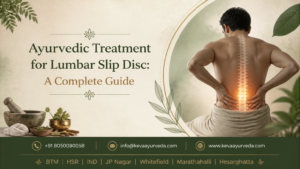
Panchakarma is often associated with detoxification or relaxation, but its clinical scope extends well beyond wellness retreats. Musculoskeletal conditions — including chronic lower back pain, cervical and lumbar spondylosis, sciatica, disc prolapse, arthritis, and frozen shoulder — respond particularly well to Basti-based protocols and localized oil-retention therapies. For Bangalore’s tech professionals who spend eight to twelve hours at a desk, these conditions are increasingly common and often resist conventional painkiller-only approaches. Panchakarma addresses the underlying Vata imbalance causing joint degeneration and nerve compression rather than merely numbing the pain.
Beyond musculoskeletal disorders, Panchakarma has shown meaningful results in metabolic and lifestyle conditions. Type 2 diabetes, obesity, PCOS/PCOD, thyroid disorders, and chronic digestive issues like IBS and hyperacidity are commonly treated with customized protocols. Skin conditions such as eczema, psoriasis, and chronic acne, respiratory allergies, stress-related insomnia, and neurological conditions also fall within its therapeutic range. For couples struggling with infertility, Panchakarma forms a critical component of pre-conception care, preparing the body for natural conception by improving reproductive tissue quality and hormonal balance. The evidence base continues to grow; a 2025 comparative study in the European Journal of Complementary and Alternative Medicine found that Panchakarma demonstrated significant improvement over conventional physiotherapy in managing chronic low back pain, reinforcing its position as a clinically validated intervention.
Why NABH Accreditation Matters for Panchakarma in Bangalore
NABH — the National Accreditation Board for Hospitals and Healthcare Providers under the Quality Council of India — released its 2nd Edition of Ayurveda Hospital Accreditation Standards in 2025, setting a new benchmark for treatment quality. The framework includes 98 standards and 590 objective elements across 10 chapters covering patient care, medication management, infection control, facility safety, and information management. NABH mandates documented Standard Operating Procedures for Panchakarma theatres, a minimum 10-bed inpatient threshold, and a four-year accreditation cycle with mandatory surveillance at 15 to 18 months — ensuring quality is continuously maintained, not just assessed once.
For a Bangalore patient evaluating Panchakarma clinics, NABH accreditation translates into tangible safety and quality assurance. Treatments are performed under qualified and experienced Ayurvedic doctors with trained therapists following standardized protocols. Keva Ayurveda is India’s first NABH-accredited Ayurveda company and the first to receive dedicated NABH Panchakarma accreditation — a distinction that means every therapy session, medication protocol, and patient interaction meets nationally recognized benchmarks. This is particularly important for inpatient Panchakarma, where patients reside at the facility for 12, 15, or 21 days with daily supervised therapy, customized diet, and continuous clinical monitoring. Choosing a NABH-accredited facility also directly impacts insurance eligibility, a factor that has become significantly more relevant since 2024.
Panchakarma Treatment Cost and Insurance Coverage in 2026
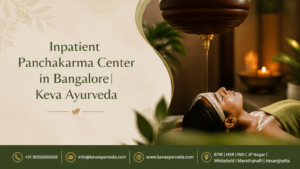
Understanding the financial commitment helps patients plan their Panchakarma journey without surprises. Consultation fees at most Ayurvedic clinics in Bangalore typically range from ₹350 to ₹500 for the initial assessment. Individual therapy sessions such as Abhyangam (full-body oil massage with steam) and Shirodhara are generally priced around ₹1,499 per session. Comprehensive Panchakarma packages — bundling multiple therapies, medicines, doctor supervision, and dietary guidance over 12 to 15 days — range from ₹11,999 to ₹15,999, depending on the condition’s severity and whether the program is outpatient or inpatient. Inpatient Panchakarma, which includes accommodation, meals, daily yoga, and two therapy sessions per day, offers the advantage of continuous clinical monitoring in a structured healing environment.
A landmark development for Bangalore patients is the expanded insurance coverage for Ayurvedic treatments. In January 2024, the Insurance Regulatory and Development Authority of India (IRDAI) issued a circular directing all health insurers to place AYUSH treatments at par with allopathy, including Panchakarma, and requiring Board-approved policies for cashless enrolment of NABH-accredited AYUSH hospitals. Further strengthening this framework, the Government of India confirmed in August 2025 a new agreement with the WHO to develop Ayurveda intervention categories under the International Classification of Health Interventions (ICHI), complementing the morbidity codes already launched in WHO ICD-11 Module 2. In practice, patients at NABH-accredited clinics like Keva Ayurveda can now access cashless insurance through providers including ACKO, Aditya Birla, SBI General, ICICI Lombard, and ManipalCigna, significantly reducing out-of-pocket treatment costs.
How to Choose the Right Panchakarma Clinic in Bangalore
With numerous Ayurvedic clinics offering Panchakarma in Bangalore, making an informed choice requires looking beyond marketing claims. Start by verifying credentials: does the clinic hold NABH accreditation? Are treatments supervised by qualified BAMS or MD (Ayurveda) doctors? Is the Panchakarma theatre equipped with documented Standard Operating Procedures? A legitimate clinic will be transparent about its medical team’s qualifications and treatment protocols. Look for clinics that begin with a thorough initial consultation — including prakriti assessment, dosha analysis, and medical history review — rather than offering a one-size-fits-all package. Personalization is the foundation of effective Panchakarma.
Next, evaluate the range of therapies and support services. A capable Panchakarma center should offer both outpatient and inpatient options, have access to authentic medicated oils and herbal formulations, and provide complementary support like diet counseling, yoga guidance, and follow-up consultations. Practical factors matter too — multiple clinic locations across the city reduce travel burden during a multi-day treatment course. Keva Ayurveda operates seven Bangalore branches — in BTM Layout, HSR Layout, Indiranagar, Marathahalli, Whitefield, JP Nagar, and Nagarbavi — making access convenient regardless of neighborhood. Finally, check verified patient reviews and third-party ratings. Clinics with documented testimonials and strong Practo or Google ratings offer stronger reassurance. You can book your Panchakarma consultation in Bangalore and begin your treatment journey with a thorough initial assessment.
Expert Insights: Where Panchakarma Is Heading in 2026
The convergence of regulatory reform and clinical research is reshaping how Panchakarma is perceived and accessed in India. The IRDAI’s 2024 insurance parity directive, combined with NABH’s expanded accreditation framework and the WHO-ICHI codification agreement, signals that Ayurveda is moving from an alternative niche into mainstream healthcare infrastructure. For patients, this means Panchakarma at a NABH-accredited facility is increasingly a covered, standardized medical intervention — not an out-of-pocket luxury expense.
The clinical evidence is catching up too. The 2025 JAIMS study demonstrating sustained HbA1c reduction and the EJCAM trial showing Panchakarma outperforming physiotherapy for chronic low back pain are part of a growing body of peer-reviewed data. As more randomized controlled trials emerge, expect Panchakarma to gain greater integration with conventional treatment pathways, particularly in chronic disease management, musculoskeletal rehabilitation, and metabolic disorder care. For Bangalore’s health-conscious residents, the practical takeaway is straightforward: choose a NABH-accredited clinic, ensure doctor-supervised treatment, and approach Panchakarma as a structured medical protocol — not a weekend wellness fix.
Conclusion
Panchakarma treatment in Bangalore has evolved from a traditional wellness practice into a clinically validated, insurance-eligible medical protocol. From understanding the five core therapies and the three-stage treatment process to evaluating NABH accreditation and insurance options in 2026, this guide equips you with the knowledge to make an informed decision for your health. Whether you’re dealing with chronic back pain, metabolic imbalances, or stress-related conditions, Panchakarma offers a root-cause approach that conventional medicine alone often cannot provide.
If you’re ready to explore Panchakarma under qualified Ayurvedic doctors in a NABH-accredited environment, book your Panchakarma consultation in Bangalore today. With seven convenient clinic locations across the city and online consultations available for patients across India and internationally, Keva Ayurveda has been delivering authentic, affordable, accessible Ayurveda since 2011.
Frequently Asked Questions
What is Panchakarma treatment?
Panchakarma is Ayurveda’s five-fold detoxification and rejuvenation therapy comprising Vamana (therapeutic emesis), Virechana (controlled purgation), Basti (medicated enema), Nasya (nasal administration), and Raktamokshana (blood purification). It removes deep-seated toxins from the body’s tissues, rebalances the three doshas, and supports root-cause healing for chronic conditions — typically administered over a structured 12 to 21 day program.
How long does Panchakarma treatment take?
A standard Panchakarma course runs 12 to 15 days for most conditions, with inpatient options extending to 21 days for more severe or chronic disorders. The program includes preparatory phases (3–5 days), the main cleansing procedures (5–10 days), and post-treatment recovery (3–5 days). Duration depends on the patient’s condition, severity, and individual response as assessed by the attending doctor.
How much does Panchakarma treatment cost in Bangalore?
Individual therapy sessions such as Abhyangam and Shirodhara typically cost around ₹1,499 per session. Comprehensive Panchakarma packages ranging from ₹12,000 to ₹16,000 for 12 to 15 days bundle therapies, medicines, and doctor supervision. Inpatient programs, which include accommodation, meals, and daily yoga, are priced higher. Exact costs vary based on the condition and prescribed treatment plan.
Is Panchakarma treatment safe?
Yes, when performed under qualified and experienced Ayurvedic doctors with trained Panchakarma therapists in a properly equipped facility. NABH-accredited clinics follow standardized protocols, documented SOPs, and continuous clinical monitoring that minimize risk. Pre-treatment assessment identifies contraindications, and the Purvakarma (preparation) stage ensures the body is ready for the main cleansing procedures.
Does insurance cover Panchakarma treatment in 2026?
Yes. Following the January 2024 IRDAI circular directing all insurers to place AYUSH treatments at par with allopathy, NABH-accredited Ayurveda hospitals are eligible for cashless insurance. Patients at accredited clinics can access coverage through providers including ACKO, Aditya Birla, SBI General, ICICI Lombard, and ManipalCigna, along with TPAs such as FHPL, Vidal, and Paramount.
What conditions does Panchakarma treat?
Panchakarma treats a wide range of conditions including chronic back pain, sciatica, cervical and lumbar spondylosis, arthritis, PCOS/PCOD, Type 2 diabetes, obesity, infertility, skin disorders (eczema, psoriasis, acne), digestive issues, stress, insomnia, respiratory allergies, and neurological conditions. Treatment is personalized based on the patient’s dosha constitution and specific medical history.
Can I do Panchakarma as an outpatient?
Yes. Outpatient Panchakarma is available for patients with mild to moderate conditions who do not require admission. Typical visits last 1 to 1.5 hours per day and include the prescribed therapy session, doctor consultation, and review. Patients continue their medicines, diet, and lifestyle plan at home between visits. This format suits working professionals managing their treatment alongside daily responsibilities.
How do I find a good Panchakarma clinic in Bangalore?
Look for NABH accreditation, qualified BAMS or MD (Ayurveda) doctors, documented SOPs for Panchakarma theatres, and personalized initial consultations rather than generic packages. Check verified patient reviews on platforms like Practo and Google, evaluate the range of therapies offered, and confirm that the clinic provides both outpatient and inpatient options with proper follow-up protocols.