



Additional Specialties

Are you troubled with digestive issues? Do you have Psoriasis? Are you suffering from any health condition and seek relief? Well, your search for Ayurveda ends here. At Keva Ayurveda, various conditions are treated following the treatments protocols mentioned in Ayurveda. Below are brief descriptions of some of the common conditions. Consult our Doctors at Keva Ayurveda for an accurate diagnosis of your condition followed by in depth treatment regime.

Best Ayurvedic Treatment for Sciatica in Bangalore, India

In Ayurvedasciatica is referred to as “Gridhrasi” — a condition that causes pain radiating from the lower back to the hips, thighs, and legs, similar to modern sciatica nerve pain.

Meaning of Gridhrasi

  • The word “Gridhrasi” comes from “Gridhra” (vulture) – due to the way a person limps with bent posture like a vulture because of the intense nerve pain.

  • It is a Vata-dominant disorder, sometimes associated with Kapha as well.


Causes of Sciatica (Gridhrasi) in Ayurveda

  • Aggravation of Vata dosha (dry, cold, rough qualities)

  • Poor posture or trauma

  • Degeneration of spine or disc (Vata imbalance)

  • Sedentary lifestyle

  • Improper diet or excessive cold/dry foods

  • Lifting heavy weights suddenly


Types of Gridhrasi (Sciatica) in Ayurveda

  1. Vataja Gridhrasi

    • Pain is sharp, radiating, and dry

    • Numbness, stiffness, and restricted movement

    • Constipation, dryness of limbs

  2. Vata-Kaphaja Gridhrasi

    • Pain along with heaviness and swelling

    • Tingling sensation, stiffness

    • More pronounced morning symptoms


Ayurvedic Treatment for Sciatica (Gridhrasi)

1. Shodhana Chikitsa (Detoxification)

  • Panchakarma therapies:

    • Basti (medicated enema) 

    • Kati Basti – Local oil pooling on the lower back

    • Svedana (steam therapy) – Relieves stiffness

    • Virechana (purgation) – In Vata-Kapha types

2. Shamana Chikitsa (Palliative care)

  • Internal medications:

    • Yograja Guggulu

    • Dashamoola Kwatha

    • Eranda Taila (castor oil)

    • Maharasnadi Kashaya

  • External applications:

    • Mahanarayan Taila massage

    • Nirgundi oil

3. Pathya-Apathya (Diet and Lifestyle)

  • Warm, moist, easily digestible food

  • Avoid dry, cold, and processed foods

  • Gentle yoga stretches (avoid forward bending)

  • Daily oil massage followed by hot water bath

  • Rest but avoid prolonged sitting


Useful Home Remedies

  • Castor oil + warm milk at night – mild laxative, relieves Vata

  • Ginger + garlic paste warmed and applied externally

  • Fenugreek seeds soaked overnight – reduce inflammation

Want to know more about Sciatica Treatment in Ayurveda, Consult our TEAM of best ayurveda doctors and experienced ayurveda doctors who are highly rated Ayurveda Doctors in Bangalore. Consult Dr Krishna Kumar ( Medical Director ) , Dr Deepika ( Chief Medical Officer ),
Dr Geetika ( Senior Ayurveda Consultant ), Dr Pavana ( Senior Ayurveda Consultant )  and Dr Rekha ( Senior Ayurveda Consultant ) in Bangalore.
Call +91 8050080058 for appointments


Keva Ayurveda is registered under KPME, Government of Karnataka. Keva Ayurveda is also registered under Govt of India & approved by IRDA, this enables all Ayurveda treatments to be covered under all Insurance **

Best Ayurveda Treatment for Parkinson in Bangalore, India

In AyurvedaParkinson’s disease is understood as a Vata disorder, primarily affecting the nervous system. It closely resembles a condition known as “Kampavata” – Kampa means tremors and Vata refers to the disturbed Vata dosha.


What is Parkinson’s in Ayurveda?

  • Kampavata is a neuro-degenerative condition caused by the vitiation of Vata dosha, especially in the Majja Dhatu (nervous tissue) and brain (mastishka).

  • It is characterized by:

    • Tremors (Kampa)

    • Rigidity (Stambha)

    • Slowness of movement (Bhrama)

    • Speech changes

    • Postural instability


Causes of Kampavata in Ayurveda

  • Age-related Vata aggravation

  • Improper diet/lifestyle (excess fasting, dryness, anxiety, irregular sleep)

  • Mental stress, grief, or trauma

  • Majja dhatu kshaya (degeneration of nerve tissue)

  • Genetic and karmic (past life) causes are also considered in Ayurveda


Symptoms of Kampavata (Similar to Parkinson’s)

  • Tremors in hands, head, or limbs

  • Stiffness in muscles and joints

  • Slowness in walking and speech

  • Difficulty with coordination and balance

  • Excess salivation or difficulty swallowing

  • Fatigue and depression (due to Vata and Manas involvement)


Ayurvedic Management of Parkinson’s (Kampavata)

1. Shodhana (Detox Therapies) – To eliminate vitiated doshas

Highly effective in early or moderate stages:

  • Basti (Medicated Enema) – Main treatment for Vata

  • Nasya – Medicated oil drops through the nose

  • Shirodhara – Pouring medicated oil on forehead for calming nerves

  • Abhyanga + Swedana – Oil massage followed by steam for stiffness

2. Shamana (Palliative Care) – To nourish and stabilize the nervous system

  • Herbal Formulations:

    • Ashwagandha – Strengthens nerves, reduces tremors

    • Brahmi & Shankhpushpi – Brain tonics

    • Maha Vatavidhvansa Rasa – For tremors and rigidity

    • Yograj Guggulu – Anti-inflammatory and Vata balancing

    • Vacha, Kapikacchu (Mucuna pruriens) – Natural source of L-Dopa

3. Medhya Rasayana (Brain-rejuvenating herbs):

  • Mandukaparni (Gotu Kola)

  • Guduchi

  • Amalaki

  • Jyotishmati


Diet and Lifestyle

  • Warm, unctuous, nourishing foods

  • Avoid dry, stale, or cold foods

  • Include ghee, milk, soaked almonds, moong dal

  • Regular oil massage (Abhyanga) with Bala taila or Mahanarayan oil

  • Gentle exercises, meditation, and stress reduction


Important Notes

  • Ayurvedic treatment works best in early-to-moderate stages, as a supportive therapy to reduce symptoms, improve quality of life, and slow progression.

  • In advanced stages, Ayurveda focuses on improving comfort, reducing side effects of modern drugs, and enhancing stability and calmness.

 
Want to know more about Parkinson treatment in Ayurveda, Consult our TEAM of best ayurveda doctors and experienced ayurveda doctors who are highly rated Ayurveda Doctors in Bangalore. Consult Dr Krishna Kumar ( Medical Director ) , Dr Deepika ( Chief Medical Officer ),

Dr Geetika ( Senior Ayurveda Consultant ), Dr Pavana ( Senior Ayurveda Consultant )  and Dr Rekha ( Senior Ayurveda Consultant ) in Bangalore.
Call +91 8050080058 for appointments

Keva Ayurveda is registered under KPME, Government of Karnataka. Keva Ayurveda is also registered under Govt of India & approved by IRDA, this enables all Ayurveda treatments to be covered under all Insurance **

Best Ayurveda treatment for Arthritis in Bangalore, India

In Ayurvedaarthritis is broadly classified as a joint disorder caused by an imbalance of the doshas—primarily Vata, often combined with Ama (toxins) or Kapha. There are different types of arthritis, each understood and treated according to the dominant dosha and the nature of the condition.


Types of Arthritis in Ayurveda

1. Aamavata (Rheumatoid Arthritis)

  • Doshas involved: Vata + Ama (undigested toxins)

  • Cause: Weak digestion leads to accumulation of toxins, which combine with Vata and localize in joints.

  • Symptoms:

    • Swollen, painful joints

    • Stiffness (especially in the morning)

    • Fatigue, fever, poor digestion

  • Modern equivalent: Rheumatoid arthritis


2. Sandhivata (Osteoarthritis)

  • Dosha involved: Vata (dryness, degeneration)

  • Cause: Age-related wear and tear, loss of lubricating synovial fluid

  • Symptoms:

    • Joint pain, stiffness

    • Cracking sounds during movement

    • Limited range of motion

  • Modern equivalent: Osteoarthritis


3. Vatarakta (Gouty Arthritis)

  • Doshas involved: Vata + Rakta (blood)

  • Cause: Vitiation of Vata and blood, often aggravated by rich, salty, sour foods

  • Symptoms:

    • Red, hot, swollen joints (especially big toe)

    • Severe pain

    • Burning sensation

  • Modern equivalent: Gout


Ayurvedic Treatment for Arthritis

1. Shodhana Chikitsa (Detoxification)

  • Panchakarma therapies:

    • Virechana (purgation) – clears Ama and balances Pitta

    • Basti (medicated enema) – best for Vata disorders

    • Raktamokshana – in case of gout

    • Swedana (steam therapy) – reduces stiffness and improves circulation


2. Shamana Chikitsa (Palliative Treatment)

  • Herbal Medicines:

    • Aamavata (Rheumatoid):

      • Simhanada GugguluKaishora GugguluRasnadi Kashaya

    • Sandhivata (Osteoarthritis):

      • Yograj GugguluMaharasnadi KashayamAshwagandha

    • Vatarakta (Gout):

      • GuduchiTriphalaChopchiniPunarnava

  • Oils for Massage:

    • Mahanarayan tailaDhanwantharam tailaBala Taila


3. Pathya-Apathya (Diet and Lifestyle)

Recommended:

  • Warm, easy-to-digest vegetarian meals

  • Ginger, turmeric, garlic, fenugreek

  • Warm water, herbal teas (Trikatu, Dashamoola)

  • Gentle yoga and stretching

Avoid:

  • Cold, sour, fried, heavy foods

  • Curd, tomatoes, citrus (especially in Aamavata & Vatarakta)

  • Excessive sitting or sleeping during daytime

  • Nightshades (brinjal, potatoes, capsicum)


Yoga & Lifestyle

  • Yoga asanas: Trikonasana, Tadasana, Bhujangasana (avoid if pain is acute)

  • Daily oil massage followed by a warm water bath

  • Manage stress – helps control inflammation

Want to know more about Arthritis treatment in Ayurveda, Consult our TEAM of best ayurveda doctors and experienced ayurveda doctors who are highly rated Ayurveda Doctors in Bangalore. Consult Dr Krishna Kumar ( Medical Director ) , Dr Deepika ( Chief Medical Officer ),
Dr Geetika ( Senior Ayurveda Consultant ), Dr Pavana ( Senior Ayurveda Consultant )  and Dr Rekha ( Senior Ayurveda Consultant ) in Bangalore.
Call +91 8050080058 for appointments

Keva Ayurveda is registered under KPME, Government of Karnataka. Keva Ayurveda is also registered under Govt of India & approved by IRDA, this enables all Ayurveda treatments to be covered under all Insurance **

Best Ayurveda treatment for PCOD in Bangalore, India

PCOD (Polycystic Ovarian Disease) in Ayurveda is understood as a hormonal and metabolic disorder resulting from an imbalance of the doshas—primarily Kapha and Vata, sometimes involving Pitta as well. In Ayurveda, PCOD is often related to conditions like “Aarthava Kshaya” (menstrual disorders) and “Granthi” (cystic formations).


Ayurvedic View of PCOD:

  1. Dosha Imbalance:

    • Kapha: Leads to slow metabolism, cyst formation, weight gain.

    • Vata: Affects hormonal balance and irregular cycles.

    • Pitta (less commonly): Can cause inflammation, acne, hair fall.

  2. Dhatu (Body Tissue) Involvement:

    • Mainly affects Rasa (plasma), Rakta (blood), and Artava Dhatu (reproductive tissue).

    • Improper formation of Artava leads to anovulation and cysts.

  3. Agni (Digestive Fire) Dysfunction:

    • Weak digestive fire leads to Ama (toxins), which block the channels (Srotas), especially Artava Vaha Srotas.


Symptoms of PCOD (Ayurveda Perspective):

  • Irregular or absent menstruation (Aarthava Kshaya)

  • Weight gain and obesity (due to Kapha dominance)

  • Acne and facial hair (Pitta and Rakta imbalance)

  • Infertility (Beeja dosha or ovulatory dysfunction)

  • Mood swings and depression (Vata imbalance)


 Ayurvedic Treatment of PCOD:

1. Shodhana (Cleansing Therapies):

  • Virechana (Purgation): For Pitta and hormone balance.

  • Basti (Medicated enemas): To regulate Vata and normalize cycles.

  • Udwartana (Herbal dry massage): For reducing excess Kapha and fat.

  • Nasya: To balance hormones via nasal administration.

2. Shamana (Herbal Remedies):

Common herbs used:

  • Ashoka – Regulates periods

  • Shatavari – Balances hormones and nourishes reproductive tissues

  • Lodhra – Reduces inflammation and supports uterus health

  • Guggulu – Detoxifies and reduces cysts

  • Triphala – Cleanses bowels and reduces Ama

  • Punarnava – Reduces swelling and supports weight loss

  • Kanchanara Guggulu – Helps in reducing cystic growths

3. Ahara (Diet):

  • Warm, light, easily digestible food

  • Avoid cold, oily, fried, and dairy-heavy foods

  • Include barley, green gram, turmeric, bitter gourd, and cinnamon

  • Avoid refined sugar and junk food

4. Vihara (Lifestyle):

  • Regular exercise like yogawalking

  • Stress reduction via meditation or pranayama

  • Adequate sleep and routine


Yoga Asanas for PCOD:

  • Baddha Konasana (Butterfly Pose)

  • Bhujangasana (Cobra Pose)

  • Dhanurasana (Bow Pose)

  • Paschimottanasana (Forward Bend)

  • Surya Namaskar (Sun Salutation – gentle pace)

Final Note:

Ayurveda aims to correct the root cause, not just the symptoms. With personalized treatment (based on Prakriti and dosha evaluation), many women experience regular cycles, weight normalization, and improved fertility.

Want to know more about PCOD treatment in Ayurveda, Consult our TEAM of best ayurveda doctors and experienced ayurveda doctors who are highly rated Ayurveda Doctors in Bangalore.Consult Dr Krishna Kumar ( Medical Director ) , Dr Deepika ( Chief Medical Officer ) , Dr Geetika ( Senior Ayurveda Consultant ), Dr Pavana ( Senior Ayurveda Consultant )  and Dr Rekha ( Senior Ayurveda Consultant ) in Bangalore.

Call +91 8050080058 for appointments

Keva Ayurveda is registered under KPME, Government of Karnataka. Keva Ayurveda is also registered under Govt of India & approved by IRDA, this enables all Ayurveda treatments to be covered under all Insurance **

Best Ayurveda treatment for infertility In Bangalore, India

In Ayurveda, infertility is referred to as “Vandhyatva”, which is the inability to conceive after regular unprotected intercourse. Ayurveda sees conception as a result of the proper functioning of four essential factors:


4 Key Factors for Conception (Garbhadhana Siddhanta):

  1. Ritu (Ovulation/Fertile period)

  2. Kshetra (Healthy uterus and reproductive organs)

  3. Ambu (Proper nutrition and hormonal balance)

  4. Beeja (Healthy ovum and sperm)

If any of these are disturbed due to dosha imbalance, infertility may result.


Types of Infertility in Ayurveda:

  1. Aarthava Dushti (Menstrual disorders) – Linked to female infertility

  2. Shukra Dushti (Semen disorders) – Linked to male infertility

  3. Beeja Dushti (Ovum or sperm abnormalities)

  4. Garbhashaya Dushti (Uterine or tubal issues)

  5. Agni Dushti (Digestive/metabolic imbalance) – Leading to hormonal issues

  6. Manasika Nidana (Psychological factors) – Stress, anxiety, depression


Dosha Involvement in Infertility:

  • Vata: Major dosha in infertility. Causes obstruction of ovulation, fallopian tube blockages, irregular cycles.

  • Pitta: Causes inflammation, hormonal imbalances, and heat-related issues in the reproductive system.

  • Kapha: Leads to cysts (like PCOD), obesity, anovulation, sluggish metabolism.


Ayurvedic Treatment for Infertility:

1. Shodhana Chikitsa (Detoxification)

  • Panchakarma therapies:

    • Vamana (emesis) – Clears Kapha-related issues

    • Virechana (purgation) – Balances Pitta and clears toxins

    • Basti (medicated enema) – Especially effective for Vata-related infertility

    • Uttara Basti – Direct application of medicated oil into uterus (female)/urethra (male)

2. Shamana Chikitsa (Herbal Medication)

Common Ayurvedic herbs:

  • Ashwagandha – Boosts sperm count, reduces stress

  • Shatavari – Improves ovulation and female reproductive health

  • Gokshura – Supports male fertility

  • Guduchi – Enhances immunity and hormonal function

  • Kapikacchu – Increases libido and sperm quality

  • Dashamoola, Phala Ghrita, Putrajeevak – Used for strengthening uterus and ovulation

3. Ahara (Diet Therapy):

  • Ghee, milk, dry fruits, moong dal, saffron – nourish reproductive tissues

  • Avoid junk, cold, spicy, fermented, and processed foods

  • Include warm, light, and dosha-specific foods

4. Vihara (Lifestyle Modifications):

  • Regular sleep, yoga, and meditation

  • Reduce stress (which hampers hormonal balance)

  • Avoid over-exertion and late nights


Yoga for Infertility:

  • Setu Bandhasana (Bridge Pose)

  • Supta Baddha Konasana (Reclined Butterfly)

  • Sarvangasana (Shoulder Stand)

  • Viparita Karani (Legs-Up-the-Wall)

  • Nadi Shodhana (Alternate nostril breathing)


 When to See an Ayurvedic Doctor:

  • If you’ve been trying to conceive for 6–12 months without success

  • If you have PCOD, irregular periods, or history of miscarriages

  • If semen analysis or hormonal levels are abnormal


 Final Note:

Ayurveda treats infertility holistically—focusing on physical, mental, and lifestyle factors. Unlike conventional methods that may only target symptoms, Ayurvedic treatment restores natural fertility by strengthening the entire reproductive system.

Want to know more about infertility treatment in Ayurveda, Consult our TEAM of best ayurveda doctors and experienced ayurveda doctors who are highly rated Ayurveda Doctors in Bangalore. Consult Best Ayurveda Doctor, Dr Krishna Kumar ( Medical Director ) , Dr Deepika ( Chief Medical Officer ),
Dr Geetika ( Senior Ayurveda Consultant ), Dr Pavana ( Senior Ayurveda Consultant )  and Dr Rekha ( Senior Ayurveda Consultant ) in Bangalore.
Call +91 8050080058 for appointments

Keva Ayurveda is registered under KPME, Government of Karnataka. Keva Ayurveda is also registered under Govt of India & approved by IRDA, this enables all Ayurveda treatments to be covered under all Insurance **

Best Ayurveda treatment for Diabetes in Bangalore, India

In Ayurveda, Diabetes is known as “Madhumeha” (literally, “sweet urine disease”) and is classified under the broader category of Prameha—a group of urinary disorders. It is considered a Kapha-dominant metabolic disorder but involves all three doshas (Vata, Pitta, and Kapha), Agni (digestive fire), and dhatus (body tissues).


Ayurvedic Understanding of Diabetes (Madhumeha):

  • Madhumeha is caused by an imbalance of Kapha and Medas (fat) that leads to impaired digestion (Mandagni), toxin accumulation (Ama), and improper metabolism of sugar.

  • Over time, Ojas (vital essence) gets converted into urine, leading to loss of strength, immunity, and energy.

  • Ayurveda distinguishes between:

    • Avarana type (blockage of channels – more in Type 2 Diabetes)

    • Dhatukshaya type (tissue depletion – similar to Type 1 Diabetes)


Dosha Involvement:

  • Kapha: Leads to obesity, lethargy, heaviness, sugar cravings.

  • Pitta: Increases thirst, hunger, and causes inflammation.

  • Vata: Manifests in later stages as weakness, dryness, and neuropathy.


Symptoms of Madhumeha:

  • Excessive urination (polyuria)

  • Sweet taste in urine

  • Excessive thirst and hunger

  • Fatigue and weight loss

  • Burning sensation in palms and soles

  • Slow wound healing

  • Itching, skin infections


Ayurvedic Treatment for Diabetes:

1. Shodhana Chikitsa (Detoxification)

  • Vamana (therapeutic emesis): To eliminate excess Kapha

  • Virechana (purgation): To cleanse Pitta and regulate metabolism

  • Basti (medicated enema): For Vata-related complications like neuropathy

  • Raktamokshana (bloodletting): In specific Kapha-Pitta cases

2. Shamana Chikitsa (Herbal Medications)

Common Anti-diabetic Herbs:

  • Gudmar (Gymnema sylvestre) – “Sugar destroyer”

  • Vijaysar (Pterocarpus marsupium) – Improves insulin sensitivity

  • Neem – Detoxifies and reduces sugar levels

  • Jamun (Syzygium cumini) – Controls sugar and strengthens pancreas

  • Fenugreek (Methi) – Regulates metabolism

  • Turmeric – Anti-inflammatory and antioxidant

  • Amla – Rejuvenates pancreatic function

  • Triphala – Improves digestion and cleanses toxins

Classical Formulations:

  • Nishamalaki Churna – Amla + turmeric blend

  • Chandraprabha Vati – General urinary and sugar metabolism support

  • Dhatri Rasayana

  • Madhumehantak Churna

Note: Ayurvedic medicine should be personalized by a certified practitioner based on dosha, prakriti, and stage of diabetes.


Diet in Diabetes (Pathya-Apathya):

Include:

  • Whole grains (ragi, barley, millets)

  • Bitter vegetables (karela, methi, bottle gourd)

  • Spices like turmeric, cinnamon, black pepper

  • Herbal teas (fenugreek, neem leaf, jamun seed)

Avoid:

  • Sugar and sugary foods

  • White rice, refined flour, potatoes

  • Excess dairy, fried, and oily food

  • Excess fruits or sweet fruits like bananas, mangoes


Yoga & Lifestyle:

Yoga Asanas:

  • Dhanurasana (Bow pose)

  • Ardha Matsyendrasana (Spinal twist)

  • Paschimottanasana (Seated forward bend)

  • Bhujangasana (Cobra pose)

  • Surya Namaskar (Sun salutations)

Pranayama:

  • Anulom Vilom

  • Bhramari

  • Kapalabhati (with caution)

Lifestyle Tips:

  • Walk briskly after meals

  • Maintain a regular sleep cycle

  • Avoid mental stress and sedentary life


Final Takeaway:

Ayurveda views Diabetes not just as a sugar issue, but as a deep-rooted metabolic and lifestyle disorder. With proper dietherbal supportpanchakarma, and mind-body balance, blood sugar can be managed effectively and complications prevented.


Want to know more about Diabetes treatment in Ayurveda, Consult our TEAM of best ayurveda doctors and experienced ayurveda doctors who are highly rated Ayurveda Doctors in Bangalore. Consult Best Ayurveda Doctor, Dr Krishna Kumar ( Medical Director ) , Dr Deepika ( Chief Medical Officer ),
Dr Geetika ( Senior Ayurveda Consultant ), Dr Pavana ( Senior Ayurveda Consultant )  and Dr Rekha ( Senior Ayurveda Consultant ) in Bangalore.
Call +91 8050080058 for appointments

Keva Ayurveda is registered under KPME, Government of Karnataka. Keva Ayurveda is also registered under Govt of India & approved by IRDA, this enables all Ayurveda treatments to be covered under all Insurance **

Best Ayurveda treatment for Thyroid in Bangalore, India

In Ayurveda, thyroid disorders are  well-recognized under conditions like Galganda (goiter) and Agnimandya (low digestive fire). Thyroid problems—whether hypothyroidism or hyperthyroidism—are viewed as dosha imbalances affecting metabolism, digestion, and ojas (vital energy).


Understanding Thyroid in Ayurveda

Types of Thyroid Imbalances:

ConditionAyurvedic ViewMain Dosha Involved
HypothyroidismSluggish metabolism, fatigue, weight gain, cold intoleranceKapha + Vata
HyperthyroidismIncreased metabolism, anxiety, weight loss, heat intolerancePitta + Vata
 

Ayurvedic Causes of Thyroid Disorders:

  • Weak Agni (digestive fire)

  • Imbalance of doshas, especially Kapha and Vata in hypothyroidism, and Pitta in hyperthyroidism

  • Accumulation of Ama (toxins)

  • Stress and emotional disturbances

  • Poor diet and sedentary lifestyle


Ayurvedic Management of Thyroid Disorders

1. Shodhana (Detoxification) – To remove Ama and balance doshas:

  • Vamana (emesis): In Kapha-dominant conditions

  • Virechana (purgation): In Pitta-dominant thyroid issues

  • Basti (enema): In chronic hypothyroid cases to balance Vata

  • Nasya: Nasal therapy to stimulate pituitary and thyroid axis

Only done under supervision of an experienced Ayurvedic doctor


2. Shamana (Herbal Medicines & Therapies)

Herbs for Hypothyroidism:

  • Ashwagandha – Adaptogen, balances thyroid hormone, reduces stress

  • Guggulu (especially Kanchanara Guggulu) – Detoxifies lymph, reduces goiter

  • Punarnava – Reduces swelling and supports metabolism

  • Triphala – Mild detox and gut regulator

  • Brahmi – Nourishes nerves and mind

Herbs for Hyperthyroidism:

  • Brahmi & Shankhpushpi – Calms nervous system

  • Jatamansi – Balances Pitta and Vata

  • Guduchi – Detoxifying and immunomodulator

  • Praval Pishti – Cools excess heat

  • Mukta Pishti – Reduces anxiety and palpitations


Diet Recommendations (Ahara):

Include:

  • Warm, freshly cooked meals

  • Barley, millets, moong dal

  • Green leafy vegetables

  • Spices like turmeric, ginger, black pepper

  • A2 cow ghee (stimulates Agni gently)

  • Herbal teas with cinnamon, tulsi, ashwagandha

Avoid:

  • Raw cruciferous vegetables (cabbage, cauliflower – especially in hypothyroidism)

  • Fermented, sour, or stale foods

  • Processed sugars and refined carbs

  • Cold, heavy, oily food (esp. for Kapha imbalance)


Lifestyle & Yoga (Vihara):

Yoga Asanas:

  • Sarvangasana (Shoulder stand) – Directly stimulates thyroid

  • Matsyasana (Fish pose)

  • Setu Bandhasana (Bridge pose)

  • Bhujangasana (Cobra pose)

  • Surya Namaskar – Slow, rhythmic

Pranayama:

  • Nadi Shodhana – Balances hormones

  • Bhramari – Calms the nervous system

  • Ujjayi Pranayama – Stimulates thyroid


Final Note:

Ayurveda treats thyroid disease holistically, not just focusing on hormone levels but balancing the entire body, digestion, mind, and lifestyle. With the right herbal supportdietdetox, and stress management, many people see noticeable improvements in energy, metabolism, and mood.


Want to know more about thyroid management in Ayurveda, Consult our TEAM of best ayurveda doctors and experienced ayurveda doctors who are highly rated Ayurveda Doctors in Bangalore. Consult Best Ayurveda Doctor, Dr Krishna Kumar ( Medical Director ) , Dr Deepika ( Chief Medical Officer ),
Dr Geetika ( Senior Ayurveda Consultant ), Dr Pavana ( Senior Ayurveda Consultant )  and Dr Rekha ( Senior Ayurveda Consultant ) in Bangalore.
Call +91 8050080058 for appointments

Keva Ayurveda is registered under KPME, Government of Karnataka. Keva Ayurveda is also registered under Govt of India & approved by IRDA, this enables all Ayurveda treatments to be covered under all Insurance **

Best Ayurveda treatment for Paralysis in Bangalore, India

In Ayurveda, paralysis is known as “Pakshaghata”, a type of Vata Vyadhi (Vata disorder), where one side of the body becomes weak or immobile due to vitiated Vata dosha obstructing the normal functioning of nerves and muscles.


Understanding Paralysis (Pakshaghata) in Ayurveda

📖 Pakshaghata literally means:

  • Paksha = one side (left or right)

  • Aghata = damage or injury

It resembles stroke-induced paralysisBell’s palsy, or hemiplegia in modern terms.


Causes According to Ayurveda:

  • Vata vitiation due to:

    • Improper diet (dry, cold, stale food)

    • Mental stress, insomnia

    • Sedentary lifestyle

    • Sudden suppression of natural urges (like sneezing, urination, etc.)

    • Injury, trauma, or hemorrhage in the brain (in modern correlation)


Symptoms of Pakshaghata:

  • Weakness or loss of movement on one side of the body

  • Numbness or tingling

  • Difficulty speaking or swallowing

  • Drooping of mouth or eye on one side (in facial paralysis)

  • Stiffness or involuntary movements


Ayurvedic Treatment of Paralysis:

1. Shodhana Chikitsa (Cleansing Therapies):

To balance Vata and remove toxins (Ama), Panchakarma is vital:

  • Basti (Medicated enema) – The most effective for Vata disorders

  • Nasya – Nasal therapy to stimulate brain function

  • Shirodhara – Oil flow on the forehead for nervous system balance

  • Abhyanga (Oil massage) – With medicated oils like Mahanarayana or Dhanwantaram taila

  • Pizhichil (Oil bath): Kerala Panchakarma technique

  • Nadi Sweda (Steam therapy): Improves mobility

Panchakarma should only be done under a qualified Ayurvedic physician’s supervision


2. Shamana Chikitsa (Internal Medications):

Herbs and Classical Formulations:

  • Ashwagandha – Strengthens nerves, improves muscle tone

  • Bala (Sida cordifolia) – Nerve tonic and muscle strengthener

  • Rasna – Reduces Vata and stiffness

  • Maha Narayana Taila – For massage to restore muscle and nerve function

  • Dashamoola – Reduces inflammation and Vata

  • Yograj Guggulu – For chronic Vata conditions

  • Ekangaveer RasaVatagajankush Rasa – Used in hemiplegia

  • Brahmi & Shankhpushpi – For mental recovery


Dietary Recommendations (Ahara):

  • Warm, unctuous (oily), nourishing foods

  • Moong dal, rice, ghee, cooked vegetables

  • Avoid cold, dry, raw, or processed foods

  • Herbal teas with ginger, cinnamon, and ajwain

  • Use of cow ghee and sesame oil for internal and external application


Lifestyle & Supportive Practices (Vihara):

  • Gentle physiotherapy with Ayurvedic massage

  • Yoga and breathing techniques once movement returns:

    • Nadi Shodhana

    • Bhramari

  • Avoid stress, cold exposure, exertion

  • Ensure regular sleep and warm environment


Final Note:

Ayurveda focuses on restoring nerve functionstrengthening the muscles, and rejuvenating ojas (vitality)Early intervention gives better outcomes. Recovery may be slow, but with consistent Ayurvedic treatment, many patients regain function and quality of life.

Want to know more about Paralysis treatment in Ayurveda, Consult our TEAM of best ayurveda doctors and experienced ayurveda doctors who are highly rated Ayurveda Doctors in Bangalore. Consult Best Ayurveda Doctor, Dr Krishna Kumar ( Medical Director ) , Dr Deepika ( Chief Medical Officer ),
Dr Geetika ( Senior Ayurveda Consultant ), Dr Pavana ( Senior Ayurveda Consultant )  and Dr Rekha ( Senior Ayurveda Consultant ) in Bangalore.
Call +91 8050080058 for appointments

Keva Ayurveda is registered under KPME, Government of Karnataka. Keva Ayurveda is also registered under Govt of India & approved by IRDA, this enables all Ayurveda treatments to be covered under all Insurance **

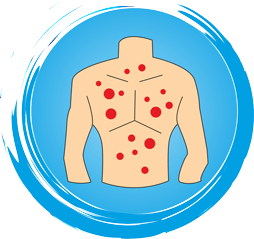
Best Ayurveda treatment for Psoriasis in Bangalore, India

In AyurvedaPsoriasis is understood as a chronic skin disorder caused by imbalanced doshas, primarily Vata and Kapha, along with accumulated toxins (Ama) in the body. It resembles conditions such as “Kitibha”“Ekakushta”, and “Siddma” in Ayurvedic texts.


What is Psoriasis in Ayurveda?

  • Psoriasis is described under Kushta Roga (skin disorders).

  • The imbalance of Vata (dryness, scaling) and Kapha (thick, sticky discharge) disturbs skin tissue metabolism.

  • This is worsened by Mandagni (weak digestion), leading to Ama (toxins) and poor Rakta Dhatu (blood tissue) health.


Causes of Psoriasis According to Ayurveda:

  • Excessive intake of incompatible foods (e.g., milk + fish)

  • Stress, anger, and anxiety

  • Suppression of natural urges (like sneezing or hunger)

  • Poor lifestyle and hygiene

  • Excessive intake of oily, spicy, sour, fermented, or junk foods


Symptoms of Psoriasis:

  • Red, inflamed patches of skin

  • Silvery white scales

  • Itching, burning, and dryness

  • Cracked or bleeding skin

  • Nail pitting or thickening

  • Symptoms worsen in cold/dry weather (Vata dominance)


Ayurvedic Treatment for Psoriasis:

1. Shodhana Chikitsa (Detox Therapy – Panchakarma)

To eliminate toxins and balance doshas

  • Vamana (Emesis) – Clears Kapha from the system

  • Virechana (Purgation) – Removes Pitta and toxins from liver and blood

  • Basti (Enema) – For Vata balance and skin nourishment

  • Raktamokshana (Bloodletting) – In severe blood vitiation cases

  • Takradhara (Buttermilk therapy) – Cooling and anti-inflammatory

Panchakarma must be done under expert Ayurvedic supervision.


2. Shamana Chikitsa (Internal Herbal Treatment)

Herbs and Formulations Used:

  • Guduchi (Giloy) – Blood purifier and immunity booster

  • Neem – Antibacterial, blood cleansing, and reduces skin inflammation

  • Turmeric (Haridra) – Anti-inflammatory, natural antiseptic

  • Khadira (Acacia catechu) – Purifies blood and skin

  • Triphala – Gentle detoxifier

  • Arogyavardhini Vati – Liver tonic and blood purifier

  • Mahamanjishtadi Kwath – For chronic skin diseases

  • Kushtha Rakshasa TailaJatyadi Taila – For external application


3. Diet for Psoriasis (Pathya-Apathya):

Eat:

  • Light, easily digestible food

  • Warm, cooked vegetables

  • Moong dal, rice, barley

  • Ghee (in moderation)

  • Bitter vegetables (neem, methi, karela)

  • Herbal teas (turmeric, ginger, coriander)

Avoid:

  • Sour foods (curd, tamarind, pickles)

  • Fermented and junk foods

  • Cold, dry, and spicy items

  • Incompatible combinations (e.g., milk with fish, meat, or salty foods)

  • Alcohol, tobacco, and stress


4. Lifestyle (Vihara):

  • Stay relaxed – stress is a major trigger

  • Practice yoga and meditation: Nadi ShodhanaBhramari

  • Maintain hygiene and avoid harsh soaps or cosmetics

  • Avoid cold exposure and excessive sun


Final Note:

Ayurveda treats Psoriasis from the root by cleansing the blood, strengthening immunity, and balancing doshas through personalized therapies. Panchakarma + herbs + dietary correction offers effective long-term relief.

Want to know more about Psoriasis treatment in Ayurveda, Consult our TEAM of best ayurveda doctors and experienced ayurveda doctors who are highly rated Ayurveda Doctors in Bangalore. Consult Best Ayurveda Doctor, Dr Krishna Kumar ( Medical Director ) , Dr Deepika ( Chief Medical Officer ),
Dr Geetika ( Senior Ayurveda Consultant ), Dr Pavana ( Senior Ayurveda Consultant )  and Dr Rekha ( Senior Ayurveda Consultant ) in Bangalore.
Call +91 8050080058 for appointments

Keva Ayurveda is registered under KPME, Government of Karnataka. Keva Ayurveda is also registered under Govt of India & approved by IRDA, this enables all Ayurveda treatments to be covered under all Insurance **

Best Ayurveda treatment for Spondylitis in Bangalore, India

In AyurvedaSpondylitis (especially Cervical or Lumbar) is categorized under Vata Vyadhi – disorders caused by aggravated Vata dosha, particularly affecting the bones (Asthi dhatu) and joints (Sandhi marma). It is referred to as conditions like Griva Sandhigata Vata (cervical) or Katigraha (lumbar/lower back).


What is Spondylitis in Ayurveda?

  • A degenerative condition affecting the vertebrae and spinal discs, causing pain, stiffness, and nerve compression.

  • Primarily due to Vata dosha aggravation leading to dryness, degeneration, and loss of cushioning between spinal discs.

  • May also involve Ama (toxins) accumulation and muscle tension from poor posture or stress.


Common Types:

TypeAyurvedic TermKey Dosha
Cervical SpondylitisGriva Sandhigata VataVata
Lumbar SpondylitisKatigraha or Trika VataVata
Ankylosing SpondylitisAsthi-Majja Gata VataVata + Ama
 

Symptoms (According to Ayurveda):

  • Pain and stiffness in neck or lower back

  • Radiating pain to arms or legs (sciatica-like)

  • Numbness or tingling

  • Headache, vertigo (in cervical type)

  • Loss of flexibility and limited movement

  • Fatigue and muscle spasms


Ayurvedic Treatment for Spondylitis

1. Shodhana Chikitsa (Detox – Panchakarma)

To eliminate aggravated Vata and Ama, and rejuvenate tissues:

  • Basti (Medicated Enema) – Most effective for Vata disorders

  • Abhyanga (medicated oil massage) – With Mahanarayana Taila, Dhanwantharam Taila

  • Swedana (herbal steam therapy) – Nadi Sweda or Patra Pinda Sweda

  • Kati Basti / Greeva Basti – Localized oil pooling therapy over spine/neck

  • Nasya – For cervical issues with associated headache or vertigo

  • Shirodhara – For stress-related spondylosis or sleep issues

Panchakarma must be done under expert supervision.


2. Shamana Chikitsa (Internal Medicines & Herbs)

Classical Formulations:

  • Yograj Guggulu – Relieves joint pain and inflammation

  • Trayodashang Guggulu – For nerve pain and spinal stiffness

  • Dashamoola Kwatha – Anti-inflammatory and Vata balancing

  • Rasnadi Kwatha / Rasnasaptaka Kwatha – For pain and stiffness

  • Ashwagandha – Strengthens nerves and muscles

  • Guggulu, Shallaki (Boswellia) – Anti-inflammatory

External Oils:

  • Mahanarayana Taila

  • Dhanwantharam Taila

  • Kottamchukkadi Taila


Diet (Pathya-Apathya):

Recommended:

  • Warm, oily, and easy-to-digest foods

  • Moong dal, rice, ghee, cooked vegetables

  • Garlic, ginger, turmeric (natural anti-inflammatory)

  • Herbal teas (dashamoola, dry ginger, cumin)

Avoid:

  • Cold, dry, or stale food

  • Excessive spicy or sour food

  • Suppression of natural urges (like sneezing, urination)

  • Sedentary lifestyle or strain


Yoga & Lifestyle:

Gentle Yoga Poses:

  • Bhujangasana (Cobra pose)

  • Makarasana (Crocodile pose)

  • Setu Bandhasana (Bridge pose)

  • Marjariasana (Cat-cow stretch)

Pranayama:

  • Anulom Vilom

  • Bhramari

  • Ujjayi (helps relieve stress)

Avoid forward bending or sudden jerky movements.


Final Note:

Ayurveda offers a holistic, long-term approach to managing spondylitis by:

  • Reducing pain and inflammation

  • Restoring spinal strength and flexibility

  • Balancing Vata dosha

  • Rejuvenating nerves and joints through Panchakarma


Want to know more about Spondylitis treatment in Ayurveda, Consult our TEAM of best ayurveda doctors and experienced ayurveda doctors who are highly rated Ayurveda Doctors in Bangalore. Consult Best Ayurveda Doctor, Dr Krishna Kumar ( Medical Director ) , Dr Deepika ( Chief Medical Officer ),
Dr Geetika ( Senior Ayurveda Consultant ), Dr Pavana ( Senior Ayurveda Consultant )  and Dr Rekha ( Senior Ayurveda Consultant ) in Bangalore.
Call +91 8050080058 for appointments

Keva Ayurveda is registered under KPME, Government of Karnataka. Keva Ayurveda is also registered under Govt of India & approved by IRDA, this enables all Ayurveda treatments to be covered under all Insurance **

Best Ayurveda treatment for allergies in Bangalore, India

In Ayurvedaallergies are seen as an imbalance in the doshas (Vata, Pitta, Kapha), often aggravated by the accumulation of Ama (toxins) and weakened immunity (Ojas). Rather than just suppressing symptoms, Ayurveda aims to strengthen the body’s natural defenseeliminate toxins, and restore balance.


What Are Allergies in Ayurveda?

Allergies are classified under “Asatmya” (intolerance or hypersensitivity) reactions. They vary based on:

  • Dosha predominance

  • Season (Ritu)

  • Site of reaction (skin, respiratory, digestive, etc.)


Types of Allergies by Dosha:

Dosha TypeSymptomsCommon Triggers
Vata AllergyDry cough, wheezing, anxiety, bloatingCold air, dust, dry foods
Pitta AllergySkin rashes, burning eyes, acidity, loose stoolsSpicy foods, sun exposure, stress
Kapha AllergyRunny nose, sinusitis, congestion, heavinessCold, damp weather, dairy, cold drinks
 

Common Allergy Conditions in Ayurveda:

  • Skin Allergies (Sheetapitta, Urticaria, Eczema)

  • Respiratory Allergies (Pratishyaya, Shwasa, Kasa) – similar to sinusitis, asthma

  • Food Allergies (Ajeerna, Ama Janya Vyadhi)

  • Seasonal Allergies (Vasanta Ritu Jwara or Spring fevers)


Ayurvedic Treatment for Allergies

1. Shodhana Chikitsa (Detox & Panchakarma)

  • Vamana (Therapeutic emesis) – Especially for Kapha allergies

  • Virechana (Purgation) – Useful for Pitta-based allergies

  • Nasya (Nasal cleansing) – For respiratory issues

  • Basti (Enema) – Vata-based reactions or chronic allergies

  • Raktamokshana (Bloodletting) – For skin allergies

Panchakarma therapies help to eliminate toxins and balance doshas at the root level.


2. Shamana Chikitsa (Internal Medicines & Herbs)
 Herbs Used in Allergies:

  • Turmeric (Haridra) – Natural antihistamine and anti-inflammatory

  • Guduchi (Giloy) – Immunity booster, balances all doshas

  • Trikatu (Black pepper, ginger, long pepper) – Clears Ama and congestion

  • Tulsi (Holy Basil) – For respiratory health

  • Neem – Blood purifier, especially for skin allergies

  • Haridrakhandam – A classical Ayurvedic remedy for allergy and skin disorders

Formulations:

  • Sitopaladi Churna – For respiratory allergies

  • Talisadi Churna – For cough, asthma, congestion

  • Chyawanprash – Immunity booster

  • Avipattikar Churna – For Pitta-based food allergies


Dietary Guidelines (Pathya-Apathya):

Eat:

  • Warm, cooked, and easily digestible meals

  • Moong dal, rice, green vegetables

  • Spices like turmeric, cumin, coriander

  • Warm water or herbal teas (like tulsi-ginger)

Avoid:

  • Cold, raw, stale, or processed food

  • Fermented and fried food

  • Heavy dairy (especially in Kapha allergies)

  • Incompatible food combinations (e.g., milk + fruits)


Lifestyle & Yoga:

  • Practice Pranayama: Nadi Shodhana, Bhramari, Kapalabhati (with care)

  • Regular Abhyanga (oil massage) to pacify Vata

  • Maintain good sleep and daily routine

  • Reduce exposure to known allergens

  • Manage stress with meditation and sattvic lifestyle


Final Note:

Ayurveda doesn’t just treat the symptoms of allergies, it strengthens your immunity, improves digestion, and removes toxins to offer lasting relief. Personalized detox, herbs, diet, and lifestyle changes can dramatically reduce allergic responses.

Want to know more Allergy treatment in Ayurveda, Consult our TEAM of best ayurveda doctors and experienced ayurveda doctors who are highly rated Ayurveda Doctors in Bangalore.
Consult Best Ayurveda Doctor, Dr Krishna Kumar ( Medical Director ) , Dr Deepika ( Chief Medical Officer ),
Dr Geetika ( Senior Ayurveda Consultant ), Dr Pavana ( Senior Ayurveda Consultant )  and Dr Rekha ( Senior Ayurveda Consultant ) in Bangalore.
Call +91 8050080058 for appointments

Keva Ayurveda is registered under KPME, Government of Karnataka. Keva Ayurveda is also registered under Govt of India & approved by IRDA, this enables all Ayurveda treatments to be covered under all Insurance **

Best Ayurveda treatment for Digestive Disorders in Bangalore, India

In Ayurvedadigestive disorders are primarily caused by the imbalance of Agni (digestive fire) and the accumulation of Ama (toxins) due to improper diet, lifestyle, and emotional factors. Digestion is the cornerstone of health in Ayurveda — when Agni is strong, all bodily systems function well.


Key Digestive Concepts in Ayurveda:

Agni – Digestive fire

  • Responsible for digestion, absorption, and metabolism

  • There are 13 types of Agni; Jatharagni (stomach digestion) is the main one

Doshas and Digestion:

DoshaAgni TypeDigestive Symptoms
VataVishama AgniIrregular digestion, gas, bloating
PittaTikshna AgniIntense hunger, acidity, loose stools
KaphaManda AgniSlow digestion, heaviness, nausea
 

Ama – Toxins

  • Formed due to undigested food

  • Causes fatigue, coated tongue, indigestion, bad breath, etc.


Common Digestive Disorders in Ayurveda:

DisorderAyurvedic NameDominant Dosha
IndigestionAjeernaVata / Kapha
Hyperacidity / GastritisAmlapittaPitta
IBSGrahaniVata / Pitta
ConstipationVibandhaVata
DiarrheaAtisaraPitta / Vata
Bloating, GasAdhmana / AadhmanaVata
AnorexiaAruchiKapha
PilesArshaVata / Pitta
Liver disordersYakrit VikaraPitta
 

Ayurvedic Treatment Approach:

1. Shodhana (Detoxification / Panchakarma):

To eliminate Ama and balance doshas:

  • Virechana (Purgation) – For Pitta and liver-related digestion issues

  • Basti (Enema) – Best for chronic constipation and IBS

  • Vamana (Emesis) – For Kapha-related nausea or heaviness

  • Deepana-Pachana – Enhancing digestive fire with herbs before detox


2. Shamana (Palliative Herbal Treatment):

Herbs:

  • Triphala – Mild laxative, detoxifier

  • Hingvashtak Churna – For bloating, gas, indigestion

  • Ajamoda (Ajwain) – Carminative and appetite stimulant

  • Pippali & Ginger – Enhances Agni

  • Kutki (Picrorhiza) – Liver detox and bitter tonic

  • Bilva, Musta, Nagarmotha – For diarrhea and IBS

Classical Formulations:

  • Avipattikar Churna – For hyperacidity

  • Trikatu Churna – For sluggish digestion

  • Takrarishta (medicated buttermilk) – For IBS, weak Agni

  • Chitrakadi Vati – Appetite stimulant and Agni booster

  • Abhayarishta – For constipation

  • Panchasakar Churna – For chronic constipation and bloating


Diet (Pathya-Apathya):

Eat:

  • Warm, freshly cooked meals

  • Moong dal, rice, cooked vegetables, ghee

  • Herbal teas (ginger, cumin, ajwain)

  • Small, regular meals – avoid overeating

Avoid:

  • Cold, raw, stale food

  • Fried, processed, or junk food

  • Dairy + fruit combinations

  • Eating without hunger or during emotional upset


Lifestyle Tips:

  • Eat at fixed times daily

  • Avoid late-night dinners

  • Walk after meals

  • Sleep and wake on time

  • Manage stress – it affects digestion

  • Practice Yoga & Pranayama:

    • PawanmuktasanaVajrasana after meals

    • Anulom VilomKapalabhati


Final Note:

Ayurveda treats digestive disorders by reigniting Agnicleansing toxins, and restoring balance through a combination of:

  • Herbal medicines

  • Detox therapies

  • Dietary and lifestyle corrections

 
Want to know more about Digestive disorders treatment in ayurveda , Consult our TEAM of best ayurveda doctors and experienced ayurveda doctors who are highly rated Ayurveda Doctors in Bangalore. Consult Best Ayurveda Doctor, Dr Krishna Kumar ( Medical Director ) , Dr Deepika ( Chief Medical Officer ),
Dr Geetika ( Senior Ayurveda Consultant ), Dr Pavana ( Senior Ayurveda Consultant )  and Dr Rekha ( Senior Ayurveda Consultant ) in Bangalore.
Call +91 8050080058 for appointments

Keva Ayurveda is registered under KPME, Government of Karnataka. Keva Ayurveda is also registered under Govt of India & approved by IRDA, this enables all Ayurveda treatments to be covered under all Insurance **

Best Ayurveda treatment for Hairfall & Dandruff in Bangalore, India

In Ayurveda, hair health is closely linked to the balance of the three doshasVata, Pitta, and Kapha—as well as the quality of your digestion (Agni) and overall lifestyle. Both hair fall and dandruff are often signs of internal imbalance.


Hair Fall in Ayurveda

Causes:

  • Excess Pitta dosha: Leads to inflammation in hair follicles and premature greying or hair fall.

  • Nutritional deficiencies: Poor nourishment due to weak digestion (Mandagni).

  • Stress (Manasika doshas): Anxiety, depression, and lack of sleep.

  • Hormonal imbalance: Seen in thyroid issues, PCOD, etc.

  • Use of chemical hair products.

Ayurvedic Remedies:

  1. Internal Medicines:

    • Thikthaka GhritaBhringarajasavaAmalaki Rasayana.

    • Narasimha Rasayanam – for hair nourishment.

    • Chyawanprash – for general health and immunity.

  2. External Applications:

    • Bhringraj oilNeelibhringadi oilKanjunnyadi taila.

    • Kesha Kalyani Lepa or herbal hair packs using Amla, Brahmi, Hibiscus.

  3. Panchakarma Therapies (if hair fall is chronic):

    • Shirodhara – calms the mind and nervous system.

    • Nasya – clears toxins from the head region.

    • Shiro Abhyanga – scalp massage with medicated oils.

  4. Diet Tips:

    • Avoid spicy, oily, junk food.

    • Include Amla, curry leaves, sesame seeds, coconut, milk, ghee.

    • Drink plenty of water and herbal teas (like Brahmi tea).


🔸 Dandruff in Ayurveda

Causes:

  • Imbalance of Vata and Kapha dosha.

  • Dry scalp (Vata) or oily, sticky dandruff (Kapha).

  • Poor hygiene, fungal infections, or cold weather.

  • Use of harsh shampoos or irregular hair washing.

Ayurvedic Remedies:

  1. Internal Support:

    • Gandhaka RasayanamTriphala Churna – detoxify the system.

    • Manjishtadi KwathaKhadirarishta – blood purifiers.

  2. External Treatments:

    • Herbal oils: Neem oilKaranj oilTriphala oil.

    • Anti-dandruff Lepa: Powder of Triphala + Neem + Buttermilk – applied on the scalp for 30 minutes before bath.

    • Fenugreek (methi) paste + lemon juice as a natural anti-fungal pack.

  3. Cleansing Hair Naturally:

    • Use Ayurvedic shampoos with Reetha, Shikakai, and Amla.

    • Avoid daily washing with harsh shampoos.


Lifestyle Tips:

  • Reduce stress with yoga, meditation, and Pranayama.

  • Maintain a regular sleep cycle.

  • Perform weekly oiling and head massage.

  • Avoid exposure to sun, dust, and pollution without protection.

Best Ayurveda treatment for Hypertension in Bangalore, India

In Ayurveda, Hypertension (Uchcha Raktachapa) is not a disease in itself, but a symptom or effect of imbalance in doshas, mainly Vata and Pitta. It is also associated with Rasa and Rakta Dhatu vitiation, and can be influenced by mental stress (Manasika doshas) like raja and tama.


Ayurvedic Understanding of Hypertension:

FactorExplanation
Vata imbalanceLeads to irregular circulation and nervous tension.
Pitta imbalanceCauses heat, irritability, and increased pressure.
Rakta DushtiImpure blood contributes to vascular tension.
Stress & AnxietyTriggers Vata and Pitta disturbance, raising BP.
Ama (toxins)Poor digestion causes blockage in channels (srotas).
 

Symptoms of Hypertension:

  • Headache

  • Dizziness

  • Irritability

  • Palpitations

  • Insomnia

  • Nosebleeds (in some cases)

  • Tiredness


Ayurvedic Management of Hypertension:

1. Internal Medicines (under supervision):

  • Sarpagandha Vati – calming and BP-lowering herb.

  • Mukta Vati – reduces BP, stress, and anxiety.

  • Ashwagandha – adaptogen; balances stress-related Vata.

  • Jatamansi, Brahmi, Tagara – promote calmness and mental clarity.

  • Arjuna Ksheerapaka – strengthens heart function.

  • Prabhakar Vati / Hridayarnava Rasa – cardiac tonics.


2. Dietary Guidelines (Ahara):

  • Avoid salty, spicy, sour, fried, fermented, and canned foods.

  • Include:

    • Warm, freshly cooked, easily digestible meals.

    • Garlic, bottle gourd (lauki), coriander, spinach.

    • Cow’s milk and ghee in moderation (if digestion is good).

    • Fruits like pomegranate, apple, watermelon.

  • Drink lukewarm water or coriander-bark water.


3. Lifestyle (Vihara):

  • Regular routine: early wake-up, proper sleep, timely meals.

  • Avoid overwork, late nights, screen time before bed.

  • Engage in calming hobbies—gardening, reading, etc.

  • Reduce mental strain and emotional triggers.


4. Panchakarma Therapies:

  • Shirodhara – calming therapy with medicated oil/milk.

  • Takradhara – buttermilk poured on forehead for Pitta calming.

  • Nasya – nasal drops for head and nervous system.

  • Basti (Vasti) – medicated enema to balance Vata.


5. Yoga & Pranayama:

  • Asanas: Shavasana, Vajrasana, Sukhasana, Ardha Matsyendrasana.

  • Pranayama: Nadi Shodhana, Sheetali, Bhramari (slow breathing).

  • Meditation: 10–15 min daily to reduce stress and BP.


Summary Table

Focus AreaAction
MindManage stress, avoid mental strain
DietLow salt, high fiber, warm and fresh
HerbsSarpagandha, Brahmi, Arjuna
TherapiesShirodhara, Basti, Nasya
LifestyleEarly to bed, regular sleep, meditation


Best Ayurveda treatment for Acne in Bangalore, India

In Ayurveda, acne is referred to as “Yuvana Pidaka”, which literally means “pimples of youth.” It is primarily a Pitta dosha disorder with involvement of Raktha (blood) and sometimes Kapha and Vata. Acne typically arises due to impurities in the bloodexcessive heat, and hormonal imbalances, often aggravated by diet and lifestyle.

Causes of Acne in Ayurveda

Dosha/FactorEffect
Pitta doshaIncreases heat, inflammation, redness, and pustules.
Rakta dushtiImpurities and toxins in blood show up as skin eruptions.
KaphaCauses blockages and oiliness, leading to comedones and cystic acne.
VataMay cause dryness and post-acne pigmentation.
Agnimandya (weak digestion)Leads to Ama (toxins) accumulation.
StressIncreases Pitta and Vata, worsening acne.
 

Ayurvedic Treatment for Acne

1. Internal Medicines (under an Ayurvedic physician’s guidance):

  • Manjishtadi Kwatha / Khadirarishta – blood purifiers.

  • Sarivadyasava – balances Pitta and purifies Rakta.

  • Gandhaka Rasayanam – detoxifier and anti-inflammatory.

  • Nimbadi Churna – skin-cleansing herbs.

  • Arogya Vardhini Vati – for liver and digestion.


2. Topical Remedies (External Application):

  • Herbal Face Packs:

    • Multani Mitti + Neem + Turmeric + Rose Water

    • Sandalwood + Aloe Vera + Manjishta powder

  • Face Wash: Use gentle Ayurvedic cleansers with NeemTulsi, or Lodhra.

  • Kumkumadi Tailam (non-comedogenic version): Lightly dab after washing, if skin is not too oily.


3. Panchakarma (for Chronic or Severe Cases):

  • Virechana (purgation therapy): Clears excess Pitta from the body.

  • Raktamokshana (bloodletting): For stubborn acne with blood impurities.

  • Nasya: Balances head-region doshas if acne is associated with stress or hormones.


 Diet & Lifestyle Recommendations:

🔸 Foods to Avoid:

  • Oily, spicy, deep-fried, junk foods

  • Excess sugar, dairy (especially curd), and chocolates

  • Fermented foods (pickles, vinegar, etc.)

  • Non-vegetarian and stale food

Foods to Include:

  • Warm, freshly cooked vegetarian food

  • Green leafy vegetables, bitter gourd, neem leaves

  • Amla (Indian gooseberry), pomegranate, turmeric

  • Plenty of warm water and herbal teas (Triphala, Manjishta, Neem)


Lifestyle Tips:

  • Keep your face clean; avoid harsh soaps or cosmetics.

  • Avoid excessive sun exposure and pollution.

  • Manage stress with yogameditation, and pranayama (especially Sheetali, Sheetkari, and Nadi Shodhana).

  • Sleep early, rise early – maintain a regular daily routine (Dinacharya).


Simple Home Remedy for Acne:

Neem-Turmeric Paste:

  • Mix 1 tsp neem powder + 1 pinch turmeric + rose water.

  • Apply to acne-prone areas, leave for 15–20 minutes, rinse off.

  • Use 3x/week 

 
Want to know more about Acne treatment in Ayurveda , Consult our TEAM of best ayurveda doctors and experienced ayurveda doctors who are highly rated Ayurveda Doctors in Bangalore. Consult Dr Deepika ( Chief Medical Officer ), Dr Geetika ( Senior Ayurveda Consultant ), Dr Pavana ( Senior Ayurveda Consultant )  and Dr Rekha ( Senior Ayurveda Consultant ) in Bangalore.
Call +91 8050080058 for appointments

Keva Ayurveda is registered under KPME, Government of Karnataka. Keva Ayurveda is also registered under Govt of India & approved by IRDA, this enables all Ayurveda treatments to be covered under all Insurance **

Best Ayurveda treatment for Asthma in Bangalore, India

In Ayurveda, asthma is called Tamaka Shwasa, a type of Shwasa Roga (respiratory disorder). It is primarily caused by the vitiation of Vata and Kapha doshas, leading to obstruction in the respiratory pathways (Pranavaha Srotas). Asthma is considered a chronic condition, but with Ayurvedic treatment, it can be effectively managed and its frequency reduced.


Ayurvedic View of Asthma

ElementDescription
VataCauses spasmodic and irregular breathing patterns.
KaphaCauses mucus accumulation and airway blockage.
Ama (toxins)Due to poor digestion, further blocks the respiratory channels.
Rasa Dhatu DushtiAffects respiratory nourishment and immunity.
 

🔸 Types of Asthma in Ayurveda

  1. Tamaka Shwasa – Chronic, recurrent asthma with wheezing, difficulty in breathing (often worse at night).

  2. Kshudra Shwasa – Mild breathlessness due to exertion.

  3. Maha Shwasa / Urdhva Shwasa – Severe and life-threatening forms.


Common Triggers (Nidana):

  • Cold weather or sudden climate changes

  • Dust, smoke, pollen (allergens)

  • Heavy, oily, or cold food

  • Suppressed natural urges

  • Stress and overexertion


Ayurvedic Treatment for Asthma

1. Internal Medicines (under guidance of a vaidya):

  • Sitopaladi Churna + Honey – for acute attacks.

  • Talisadi Churna – relieves cough and congestion.

  • Vyoshadi Vatakam – clears Kapha and aids breathing.

  • Trikatu Churna – improves digestion and reduces Kapha.

  • Yashtimadhu Churna – soothes airways.

  • Vasa Avaleha – bronchodilator and anti-inflammatory.

  • PushkaramoolasavaDashamoolarishta – long-term support.


2. Panchakarma Therapies (especially for chronic asthma):

  • Vamana (therapeutic emesis): Eliminates excess Kapha from the system.

  • Virechana (purgation): Reduces Pitta and clears toxins.

  • Nasya (nasal therapy): Clears nasal passage and improves breathing.

  • Dhumapana (medicated herbal smoking): Done under supervision, not recommended in all cases.

  • Abhyanga + Swedana: Oil massage and steam to loosen mucus.


Diet Recommendations

Avoid:

  • Cold foods and drinks (curd, ice creams)

  • Oily, fried, and heavy food

  • Processed and packaged food

  • Dairy (especially in case of Kapha-type asthma)

  • Daytime sleeping (causes Kapha accumulation)

Favor:

  • Warm, light, and easily digestible food

  • Ginger, black pepper, turmeric, garlic

  • Herbal teas with tulsi, cinnamon, and licorice

  • Honey with warm water (never heat honey)


Lifestyle & Home Remedies

Do:

  • Practice Pranayama: Nadi Shodhana, Bhramari, and Kapalabhati

  • Mild yoga: Bhujangasana, Matsyasana, Dhanurasana

  • Maintain warm body temperature

  • Keep surroundings free of dust and allergens

  • Use Tulsi-Ginger decoction daily

Simple Home Remedy:

Ginger + Honey + Tulsi Juice – Mix equal parts of the three and take 1 tsp twice daily

Want to know more about Asthma treatment in Ayurveda , Consult our TEAM of best ayurveda doctors and experienced ayurveda doctors who are highly rated Ayurveda Doctors in Bangalore. Consult Dr Deepika ( Chief Medical Officer ), Dr Geetika ( Senior Ayurveda Consultant ), Dr Pavana ( Senior Ayurveda Consultant )  and Dr Rekha ( Senior Ayurveda Consultant ) in Bangalore. Call +91 8050080058 for appointments

Keva Ayurveda is registered under KPME, Government of Karnataka. Keva Ayurveda is also registered under Govt of India & approved by IRDA, this enables all Ayurveda treatments to be covered under all Insurance **


Best Ayurveda treatment for Migraine in Bangalore, India

In Ayurveda, Migraine is closely related to a condition called Ardhavabhedaka, which translates to “half-head splitting pain.” It is primarily caused by an imbalance in Vata and Pitta doshas, affecting the nervous system and head region (Shira).

Ayurveda treats migraine not just as a headache, but as a result of digestive disturbances, stress, hormonal imbalance, and lifestyle errors, which manifest in the head region.


Ayurvedic View of Migraine

DoshaEffect
VataCauses throbbing, pulsating pain, sensitivity to light/sound.
PittaCauses burning sensation, anger, irritability, visual aura, nausea.
Kapha (in some cases)Causes heaviness and dull, congestive headache.
 

🔸 Symptoms of Ardhavabhedaka:

  • Severe pain on one side of the head

  • Throbbing or pulsating sensation

  • Nausea or vomiting

  • Sensitivity to light, sound, or smells

  • Blurred vision or aura

  • Worsens with exertion, stress, or fasting


Ayurvedic Treatment for Migraine

1. Internal Medicines (prescribed based on dosha):

  • Godanti Bhasma – for Pitta-related migraines

  • Sutashekhara Rasa – balances Vata-Pitta and acidity

  • Pathyadi Kadha / Kwatha – for vascular headaches

  • Brahmi VatiAshwagandhaJatamansi – for stress-related migraines

  • Triphala – to improve digestion and cleanse channels

  • Shirashooladi Vajra Rasa – for pain relief


2. External Therapies:

  • Nasya (Nasal Drops):

    • Anu Taila or Shadbindu Taila – clears head channels

    • Best done after mild steam and head massage

  • Shirodhara – continuous stream of medicated oil/milk on the forehead to calm the mind

  • Takradhara – using medicated buttermilk for Pitta-type migraines

  • Shiro Abhyanga – scalp massage with Brahmi oil or Ksheerabala taila


Lifestyle & Diet (Ahara & Vihara)

Avoid:

  • Fasting or irregular meals

  • Spicy, sour, fermented, and junk food

  • Excess screen time or loud noises

  • Skipping sleep or excessive late nights

  • Stress and emotional outbursts

Include:

  • Regular meals, warm and light diet

  • Cooling foods: coconut water, cucumber, pomegranate

  • Herbal teas: BrahmiLicoriceFennel

  • Adequate hydration

  • Daily head oiling and foot massage


Yoga & Pranayama:

  • Asanas: Balasana, Viparita Karani, Sukhasana

  • Pranayama: Sheetali, Bhramari, Anulom Vilom (avoid Kapalabhati during attack)

  • Meditation: Helps reduce stress-triggered migraines


Simple Home Remedy:

Coriander + Fennel Tea:

  • Boil 1 tsp each of coriander seeds and fennel in water.

  • Cool and drink twice a day – soothes Pitta and relieves migraine.


Want to know more about Migraine treatment in Ayurveda , Consult our TEAM of best ayurveda doctors and experienced ayurveda doctors who are highly rated Ayurveda Doctors in Bangalore. Consult Best Ayurveda Doctor, Dr Krishna Kumar ( Medical Director ) , Dr Deepika ( Chief Medical Officer ),
Dr Geetika ( Senior Ayurveda Consultant ), Dr Pavana ( Senior Ayurveda Consultant )  and Dr Rekha ( Senior Ayurveda Consultant ) in Bangalore.
Call +91 8050080058 for appointments

Keva Ayurveda is registered under KPME, Government of Karnataka. Keva Ayurveda is also registered under Govt of India & approved by IRDA, this enables all Ayurveda treatments to be covered under all Insurance **
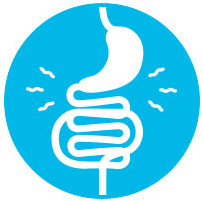
Best Ayurveda treatment for Ulcers In Bangalore, India

In Ayurveda, ulcers—particularly gastric or peptic ulcers—are linked to a condition called Amlapitta and in chronic cases, Pittaja Vrana (ulcerative lesions caused by aggravated Pitta). These occur when Pitta dosha becomes aggravated due to improper diet, stress, and lifestyle, leading to inflammation and erosion in the lining of the stomach or intestines.


Ayurvedic View of Ulcers

FactorEffect
Pitta doshaCauses acidity, burning, inflammation, and ulcer formation.
VataMay cause pain, bloating, and irregular digestion.
Ama (toxins)Forms from poor digestion, aggravating the condition.
Stress & AnxietyAggravate Vata and Pitta, worsening ulcers.
 

Symptoms of Ulcers (Amlapitta / Pittaja Vrana)

  • Burning sensation in stomach or chest

  • Acid reflux or sour belching

  • Pain before or after eating

  • Nausea and vomiting

  • Loss of appetite

  • Black or tarry stools (in bleeding ulcers)

  • Fatigue due to anemia


Ayurvedic Treatment for Ulcers

1. Internal Medicines (to be taken under Ayurvedic supervision):

RemedyAction
ShatavariSoothes and heals gastric mucosa
Yashtimadhu (Licorice)Anti-ulcer, anti-inflammatory, mucosal healer
Amalaki (Amla)Cools Pitta, antioxidant, supports healing
Sutshekhar RasBalances Pitta, controls acid production
Avipattikar ChurnaMild laxative and Pitta-pacifying
Kamdudha RasExcellent for hyperacidity and ulcers
Praval PishtiCools and heals ulcers, calcium-rich
 

2. Dietary Guidelines (Pathya-Apathya)

Avoid:

  • Spicy, sour, and fried foods

  • Pickles, vinegar, citrus fruits in excess

  • Coffee, tea, alcohol, carbonated drinks

  • Smoking and tobacco

  • Fasting or skipping meals

Include:

  • Soft, cooling, and easily digestible foods

  • Warm cow’s milk with ghee

  • Rice gruel (kanji), moong dal khichdi

  • Coconut water, pomegranate juice

  • Steamed vegetables, well-cooked rice with buttermilk

  • Jeera water or coriander seed water


3. Lifestyle & Behavior (Vihara)

  • Eat meals at fixed times—don’t delay or skip.

  • Avoid overeating or eating late at night.

  • Don’t lie down immediately after eating.

  • Manage stress through meditationpranayama, and gentle yoga.

  • Sleep early and maintain regular bowel movements.


Simple Home Remedies:

Licorice Milk (Yashtimadhu Ksheerapaka):

  • Boil 1 tsp licorice powder in 1 cup of milk + 1 cup of water.

  • Reduce to 1 cup and drink once daily – soothes ulcers.

Coconut + Mulethi Paste:

  • Mix fresh coconut pulp with a pinch of licorice powder.

  • Consume on an empty stomach for healing effect.


Yoga & Pranayama:

PracticeBenefit
Sukhasana, Vajrasana after mealsImproves digestion
Sheetali, Sheetkari pranayamaCools Pitta, reduces inflammation
ShavasanaRelaxes the nervous system
 

Note:

Bleeding or severe ulcers require urgent attention and may need combined Ayurvedic and allopathic management under supervision.


Want to know more about Ulcers treatment in Ayurveda , Consult our TEAM of best ayurveda doctors and experienced ayurveda doctors who are highly rated Ayurveda Doctors in Bangalore. Consult Dr Krishna Kumar ( Medical Director ), Dr Deepika ( Chief Medical Officer ), Dr Geetika ( Senior Ayurveda Consultant ), Dr Pavana ( Senior Ayurveda Consultant )  and Dr Rekha ( Senior Ayurveda Consultant ) in Bangalore.
Call +91 8050080058 for appointments

Keva Ayurveda is registered under KPME, Government of Karnataka. Keva Ayurveda is also registered under Govt of India & approved by IRDA, this enables all Ayurveda treatments to be covered under all Insurance **

Best Ayurveda treatment for kidney stones in Bangalore, India

In Ayurveda, Kidney Stones are described as “Ashmari”, which literally means “stone” (Ashma) formation in the urinary tract (Mutravaha Srotas). It is a Tridoshic condition, mainly involving Kapha and Vata, that leads to crystallization of minerals and salts in the kidneys, ureters, or bladder.


Ayurvedic Understanding of Kidney Stones

DoshaRole in Stone Formation
VataCauses dryness and promotes crystallization.
KaphaContributes to stickiness and accumulation.
PittaCan cause inflammation and burning urination.
 

Stones can vary in size, type (calcium oxalate, uric acid, etc.), and symptoms. Ayurveda customizes treatment based on the Prakriti (body constitution)stone type, and site of obstruction.


🔸 Symptoms of Ashmari (Kidney Stones)

  • Sharp or colicky pain in the lower abdomen or back

  • Pain radiating to groin or genitals

  • Nausea or vomiting

  • Burning urination or difficulty urinating

  • Blood in urine (Hematuria)

  • Frequent urination or urgency


Ayurvedic Treatment for Kidney Stones

1. Internal Medicines & Herbal Remedies:

Herbal MedicineAction
Varunadi KwathBreaks down stones and improves urine flow
Gokshuradi GugguluDiuretic and anti-inflammatory
Punarnavadi KashayamReduces swelling and supports kidney health
Chandraprabha VatiUrinary antiseptic and stone dissolver
Pashanabheda (stone-breaker)Dissolves stones naturally
Kulathadi KashayamSpecific for oxalate stones
Palasha Pushpa PowderBreaks down stones and relieves pain
 
 Punarnava + Gokshura + Varuna + Pashanabheda – This combo is commonly used for long-term management.

2. Dietary Guidelines (Pathya-Apathya)

Avoid:

  • Spinach, tomatoes (rich in oxalates)

  • Excess salt and sour foods

  • Red meat and high-protein diet

  • Carbonated drinks, caffeine, and alcohol

  • Curd and fermented foods

Include:

  • Barley water, coconut water, cucumber

  • Buttermilk (thin, diluted, without salt)

  • Warm water throughout the day

  • Horse gram (Kulthi dal) soup

  • Ash gourd juice, lemon water (mild citrates help)

  • Plenty of seasonal fruits, especially watermelon


3. Panchakarma Detox (in recurrent or large stones):

  • Virechana (purgation) to cleanse Pitta

  • Basti (medicated enema) for Vata regulation

  • Uttarabasti (special urinary route enema) – done under expert supervision


Effective Home Remedies:

Horse Gram (Kulthi) Soup:

  • Boil 1 cup of kulthi dal in water, strain and drink twice daily.

Coconut Water + Lemon Juice:

  • 1 glass of coconut water + 1 tsp fresh lemon juice – helps dissolve stones.

Jeera-Dhaniya Water:

  • Soak 1 tsp cumin + 1 tsp coriander seeds in warm water overnight.

  • Drink next morning on empty stomach.


Lifestyle Tips

TipReason
Drink 2.5–3 liters of water dailyFlushes out toxins and stones
Avoid holding urinePrevents stone aggravation
Light physical activity (like walking)Aids stone movement
Manage stress (yoga, pranayama)Reduces Vata-Pitta imbalance
 

When to Seek Immediate Medical Help:

  • Severe, unbearable pain

  • Fever or chills

  • Inability to urinate

  • Blood in urine

  • Stone size >7 mm (may require surgical intervention)

 
Want to know more about Kidney Stone treatment in Ayurveda , Consult our TEAM of best ayurveda doctors and experienced ayurveda doctors who are highly rated Ayurveda Doctors in Bangalore. Consult Dr Krishna Kumar ( Medical Director ), Dr Deepika ( Chief Medical Officer ), Dr Geetika ( Senior Ayurveda Consultant ), Dr Pavana ( Senior Ayurveda Consultant )  and Dr Rekha ( Senior Ayurveda Consultant ) in Bangalore.
Call +91 8050080058 for appointments

Keva Ayurveda is registered under KPME, Government of Karnataka. Keva Ayurveda is also registered under Govt of India & approved by IRDA, this enables all Ayurveda treatments to be covered under all Insurance **
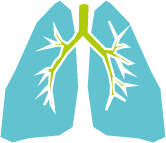
 

Best Ayurveda treatment for Sinusitis in Bangalore

In Ayurveda, Sinusitis is correlated with “Peenasa”, a condition caused by the imbalance of Kapha and Vata doshas in the head and nasal passages (Urdhva Jatrugata Vikara). It results in inflammation of the sinuses, leading to nasal congestion, headache, facial pain, and postnasal drip.


Ayurvedic View of Sinusitis

Dosha InvolvedEffects
KaphaCauses thick mucus, congestion, heaviness
VataTriggers dryness, pain, and nerve irritation
Pitta (if involved)Adds inflammation, burning sensation, and fever
 

Sinusitis is often triggered by cold, allergies, pollution, improper diet, or seasonal changes.


🔸 Symptoms of Sinusitis (Peenasa)

  • Blocked or runny nose

  • Thick, sticky nasal discharge (white/yellow/green)

  • Facial pressure and pain, especially around eyes and forehead

  • Headache and heaviness in the head

  • Loss of smell or taste

  • Postnasal drip and coughing

  • Bad breath or sore throat (in chronic cases)


Ayurvedic Treatment for Sinusitis

1. Internal Herbal Medicines:

RemedyBenefit
Sitopaladi ChurnaClears Kapha and relieves congestion
Talisadi ChurnaHelps with cough and nasal blockage
Vyoshadi VatakamReduces mucus and supports sinus drainage
Trikatu ChurnaImproves digestion and clears ama (toxins)
Chandraprabha VatiClears nasal passages and enhances immunity
Dashamoola KwathaReduces inflammation
Haridra KhandamAnti-allergic and immune booster
 

2. External & Panchakarma Therapies:

TherapyPurpose
Nasya (Nasal Drops)Most effective! Administer medicated oil/ghee in nostrils after steam
– Anu Taila / Shadbindu TailaLubricates, clears channels, reduces inflammation
Dhoomapana (medicated herbal smoke)Dries excess Kapha (done with caution)
Nadi Swedana (local steam)Liquefies and drains mucus from sinuses
Shirodhara / Shiro AbhyangaRelieves headache and soothes Vata
 

Diet for Sinus Relief (Pathya-Apathya)

Avoid:

  • Cold and refrigerated foods/drinks

  • Curd, cheese, bananas, and dairy

  • Fried, oily, and processed foods

  • Excess sweets and wheat-heavy diet

Favor:

  • Warm, light, and easily digestible food

  • Herbal teas (ginger, tulsi, cinnamon)

  • Soups with pepper, cumin, and turmeric

  • Garlic, ajwain, dry ginger (Shunthi)


Lifestyle Tips & Remedies

  • Avoid exposure to cold winds or AC

  • Use warm water for drinking and bathing

  • Inhale steam with ajwain or eucalyptus oil

  • Practice Pranayama (Anulom Vilom, Bhramari)

  • Use turmeric milk at night for immunity


Simple Home Remedies

Turmeric-Salt Steam Inhalation:

  • Add 1 tsp turmeric + pinch of rock salt to hot water

  • Inhale the steam for 5–10 minutes twice daily

Tulsi-Ginger Decoction:

  • Boil tulsi leaves, dry ginger, and black pepper

  • Sip warm twice daily


Chronic or Recurrent Sinusitis?

Consider Panchakarma detox, especially:

  • Vamana (therapeutic emesis) – in chronic, Kapha-dominant cases

  • Nasya – must under expert guidance for long-term relief

Want to know more about Sinusitis treatment in Ayurveda , Consult our TEAM of best ayurveda doctors and experienced ayurveda doctors who are highly rated Ayurveda Doctors in Bangalore. Consult Dr Krishna Kumar ( Medical Director ), Dr Deepika ( Chief Medical Officer ), Dr Geetika ( Senior Ayurveda Consultant ), Dr Pavana ( Senior Ayurveda Consultant )  and Dr Rekha ( Senior Ayurveda Consultant ) in Bangalore.
Call +91 8050080058 for appointments

Keva Ayurveda is registered under KPME, Government of Karnataka. Keva Ayurveda is also registered under Govt of India & approved by IRDA, this enables all Ayurveda treatments to be covered under all Insurance **


Authentic, Affordable, Accessible
Ayurveda For All !

+91-8050080058

Enquire Now

Our Association

Enquire Now