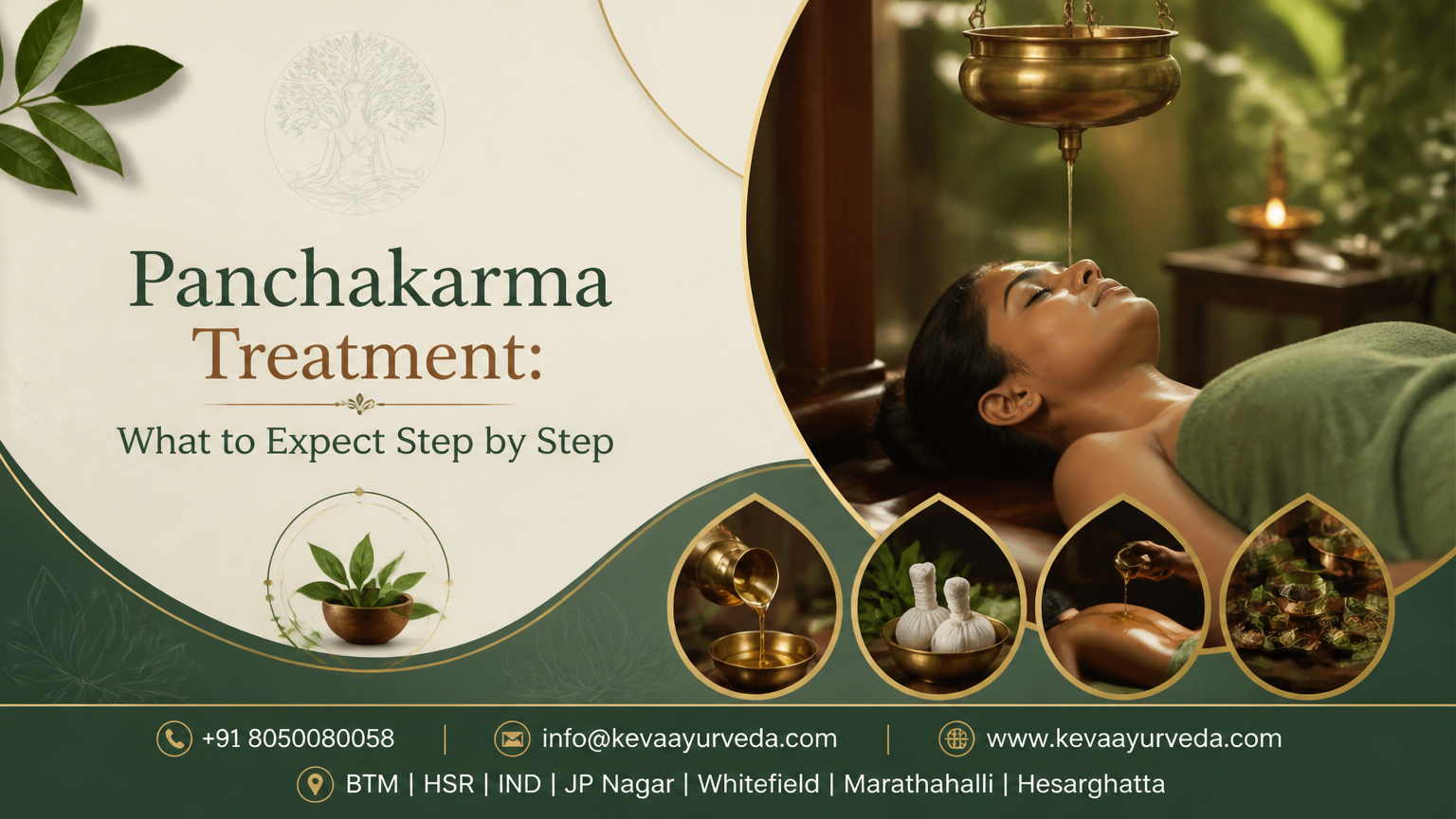
Panchakarma Treatment: What to Expect Step-by-Step (Complete Guide)
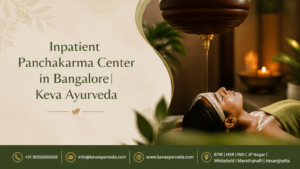
If you have been feeling chronically fatigued, struggling with stubborn digestive issues, recurring joint pain, or simply noticing that your body is not responding to lifestyle changes the way it used to, you have likely heard the word Panchakarma whispered across wellness circles, social media, and Ayurveda consultations. But what exactly is Panchakarma, and more importantly, what actually happens during the treatment — day by day, hour by hour — inside a clinically accredited Ayurveda facility?
At Keva Ayurveda, a NABH Accredited Ayurveda Clinic with 7 branches across Bangalore, we have performed thousands of supervised Panchakarma programs over the years. This detailed guide is written by our senior Ayurvedic physicians to give you an authentic, medically grounded, step-by-step understanding of Panchakarma — what it is, how it works, what benefits are backed by classical texts and modern research, and what you can realistically expect in terms of process, cost, and results.
Overview of Panchakarma Detoxification
Panchakarma (literally “five actions” or “five therapies”) is the cornerstone of Kayachikitsa — the branch of Ayurveda that deals with internal medicine. It is a bio-cleansing and rejuvenation protocol designed to remove accumulated doshas (bio-humors: Vata, Pitta, Kapha) and metabolic toxins called Ama from the deep tissues (Shakhas and Koshtas) and bring them back to the gastrointestinal tract for elimination.
Unlike a weekend spa detox or a juice cleanse, classical Panchakarma is a medically supervised, multi-day inpatient or outpatient protocol that follows three sequential stages:
- Purvakarma – preparatory therapies (Snehana and Swedana)
- Pradhanakarma – the five main cleansing procedures
- Paschatkarma – post-treatment diet, lifestyle, and rejuvenation (Samsarjana Krama)
It is important to understand that Panchakarma is not a one-size-fits-all therapy. The specific combination of therapies, oils, duration, and intensity is decided only after a detailed Roga Pariksha (disease examination) and Rogi Pariksha (patient examination) by a qualified Vaidya. At Keva Ayurveda, every Panchakarma plan begins with a 30–45 minute consultation where our doctors assess your Prakriti (constitution), Vikriti (current imbalance), pulse, tongue, digestion, sleep, and lifestyle before designing your protocol.
The Three Stages of Classical Panchakarma
Classical Ayurveda texts such as Charaka Samhita and Sushruta Samhita describe Panchakarma as a three-stage clinical process. Skipping or compressing any stage compromises both safety and efficacy.
| Stage | Sanskrit Name | Purpose | Typical Duration |
|---|---|---|---|
| Stage 1 | Purvakarma | Loosen, mobilize, and bring toxins toward the gut using oleation and fomentation | 3–7 days |
| Stage 2 | Pradhanakarma | Main elimination through five primary therapies | 3–15 days (depending on chosen therapies) |
| Stage 3 | Paschatkarma | Restore digestive fire, gradually reintroduce food, and rejuvenate tissues | 7–14 days |
When done correctly under qualified supervision, Panchakarma is considered one of the most powerful Shodhana (purification) modalities in any system of medicine.
Step 1: Purvakarma (Pre-Detox Preparation – Snehana & Swedana)
Purvakarma is the foundation on which the entire Panchakarma rests. Without proper preparatory oleation and sudation, the toxins lodged in deep tissues simply will not shift, and forcing elimination prematurely can cause harm. This stage has two core sub-procedures:
1.1 Snehana (Internal and External Oleation)
Snehana involves the therapeutic use of medicated ghee or oil, both internally (oral consumption) and externally (abhyanga — full-body oil massage).
- Internal Snehana (Snehana Pana): The patient is given increasing doses of medicated ghee such as Mahatikta Ghrita, Panchatikta Ghrita, or Guggulutiktaka Ghrita, depending on the dominant dosha. The dose is escalated day by day until the patient shows signs of proper Snehana — soft, oily skin, light feeling, mild satiety, and absence of digestive discomfort. This usually takes 3–5 days.
- External Snehana (Abhyanga): A synchronized full-body massage performed by two trained Ayurveda therapists using warm medicated oils like Mahanarayana Taila, Dhanwantharam Taila, or Sahacharadi Taila. Typically performed for 45–60 minutes, this improves circulation, loosens Ama, and calms the nervous system.
1.2 Swedana (Therapeutic Sudation)
After Snehana, the patient undergoes Swedana — controlled sweating to dilate channels (Srotas) and mobilize toxins. At Keva Ayurveda, common modalities include:
- Bashpa Sweda (steam chamber)
- Pinda Sweda (bolus massage with medicated rice or herbal poultices — known as Navarakizhi)
- Patra Pinda Sweda (leaf bolus massage for joint pain and stiffness)
- Shashtika Shali Pinda Sweda (special rice bolus therapy for neurological and muscular disorders)
- Avagaha Sweda (immersion-type sudation for spinal conditions)
By the end of Purvakarma, the body is well-oiled, channels are open, and toxins are loosened and primed for elimination. This is when the patient is deemed “ready” — known in Ayurveda as Snehana-Swedana Samyak Lakshana (signs of proper preparation).
Step 2: Pradhanakarma (The Five Primary Cleansing Therapies)
Pradhanakarma refers to the five main bio-cleansing procedures described in classical texts. Not every patient undergoes all five; the Vaidya selects one or more based on the disease, constitution, and doshic dominance.
| Therapy | Sanskrit Name | Action / Indication | Primary Dosha Targeted |
|---|---|---|---|
| Vamana | Vamana Karma | Therapeutic emesis (controlled vomiting) to clear upper GI tract and respiratory passages | Kapha |
| Virechana | Virechana Karma | Therapeutic purgation using herbal laxatives to clear the small intestine and liver | Pitta |
| Basti | Basti Karma (Niruha & Anuvasana) | Medicated enema — most powerful of all Panchakarma; colon and Vata disorders | Vata |
| Nasya | Nasya Karma | Administration of medicated oil or powder through the nose for ENT, sinus, and neurological issues | Diseases above the clavicle |
| Raktamokshana | Raktamokshana | Bloodletting or blood-purification therapies for skin and blood-borne disorders | Blood-related & skin diseases |
2.1 Vamana (Therapeutic Emesis)
Performed typically in the early morning after proper Purvakarma. The patient is given a medicated emetic preparation (often containing Vacha, Madhuka, Yashtimadhu, or Pippali) along with milk or sugarcane juice. Controlled vomiting is induced for 30–60 minutes under direct medical supervision, clearing excess Kapha and toxins from the stomach, lungs, and sinuses. Indicated for chronic asthma, allergic rhinitis, sinusitis, eczema, obesity, and recurrent respiratory infections.
2.2 Virechana (Therapeutic Purgation)
After Snehana-Swedana, the patient is given herbal purgatives such as Trivrit Lehyam, Avipathy Churna, or Kalyanaka Ghrita in the morning on an empty stomach. Multiple bowel evacuations occur throughout the day, clearing accumulated Pitta from the liver, gallbladder, and small intestine. Excellent for chronic skin diseases (psoriasis, eczema), acne, liver disorders, gastritis, hormonal imbalance, and inflammatory conditions.
2.3 Basti (Medicated Enema)
Considered the Ardha Chikitsa (half of all treatment) in Ayurveda, Basti is the most versatile of the five. There are two main types:
- Niruha Basti (Asthapana): Decoction-based enema with herbal kwatha, honey, rock salt, and oils
- Anuvasana Basti: Oil-based retention enema using medicated tailas
A standard course involves Kashaya Basti (decoction enemas) alternated with Matra Basti (oil enemas) over 8–30 days, depending on the condition. Highly effective for chronic constipation, sciatica, lumbar spondylosis, rheumatoid arthritis, paralysis, infertility, and neurological disorders.
2.4 Nasya (Nasal Administration)
Medicated oil drops or powders are administered into each nostril after a brief face and neck Snehana-Swedana. Common formulations include Anu Taila, Shadbindu Taila, and Ksheerabala Taila. Indicated for migraine, sinusitis, allergic rhinitis, hair fall, premature greying, memory issues, tinnitus, and cervical spondylosis.
2.5 Raktamokshana (Blood Purification)
Performed using sterile techniques in our clinics, this therapy includes methods like Jaluka Avacharana (leech therapy), Shringa, and Pracchanna. Indicated for chronic eczema, psoriasis, varicose veins, non-healing ulcers, gout, and certain blood-borne skin disorders.
During Pradhanakarma, our team monitors vitals, hydration, and elimination responses throughout the day, with daily physician reviews.
Step 3: Paschatkarma (Post-Detox Diet, Rejuvenation & Samsarjana Krama)
After the powerful cleansing of Pradhanakarma, the body’s Jatharagni (digestive fire) is delicate. This is why Ayurveda insists on a structured recovery protocol — Paschatkarma. Its core component is Samsarjana Krama, a graded dietary reintroduction plan:
- Day 1–2: Manda (thin rice water gruel)
- Day 3–4: Peya (thick rice gruel)
- Day 5–6: Vilepi (rice porridge with mild spices)
- Day 7+: Gradual return to Yusha (soups), Krita Yusha, and finally a normal Satvik diet
Alongside diet, patients are prescribed Rasayana (rejuvenation) herbs such as Ashwagandha, Brahmi, Shankhapushpi, Amalaki, and Chyawanprash to support tissue rebuilding. Lifestyle recommendations include early sleep, avoidance of exertion, no travel, no spicy or processed food, and gentle yoga or breathing practices.
At Keva Ayurveda, we typically schedule a follow-up consultation at 2 weeks, 1 month, and 3 months post-Panchakarma to monitor progress and reinforce new routines.
Evidence-Based Health Benefits
Panchakarma is not just traditional wisdom — it has been the subject of peer-reviewed research:
- Stress & Mental Health: A 2023 systematic review confirmed that Shodhana therapies significantly reduce perceived stress, anxiety, and serum cortisol levels. Studies on Basti therapy have shown measurable improvements in sleep architecture and quality of life scores.
- Detoxification Biomarkers: Research has shown that classical Panchakarma reduces lipophilic toxicants (PCBs, organochlorine pesticides) stored in adipose tissue, as demonstrated in studies published in Alternative Therapies in Health and Medicine.
- Inflammation & Immunity: Reduction in hs-CRP, IL-6, and improvements in antioxidant status have been documented post-Panchakarma.
- Pain & Musculoskeletal: Strong clinical evidence supports Panchakarma (especially Basti + Pinda Sweda) in osteoarthritis, rheumatoid arthritis, lumbar disc disease, and sciatica.
- Digestive Health: Excellent outcomes in IBS, chronic constipation, acidity, and fatty liver conditions.
- Skin Disorders: Virechana and Raktamokshana show significant remission in psoriasis, eczema, and chronic urticaria.
- Reproductive & Hormonal Health: Used in supportive management of PCOS, infertility, and menopausal symptoms.
Panchakarma Pricing & Package Options in Bangalore
At Keva Ayurveda, we offer transparent, all-inclusive Panchakarma packages across our 7 Bangalore branches. Pricing depends on duration, room category, and therapies included.
| Package | Duration | Includes | Starting Price (INR) |
|---|---|---|---|
| Mini Detox | 5 Days | Abhyanga, Swedana, light Basti, diet plan | ₹8,500 |
| Classic Panchakarma | 7 Days | Full Purvakarma + 1 Pradhanakarma therapy + Paschatkarma | ₹15,000 |
| Therapeutic PK | 14 Days | Full protocol with multiple therapies, in-patient stay, daily doctor review | ₹32,000 |
| Disease-Specific PK | 21–28 Days | Customized for arthritis, skin disorders, neurological, or metabolic conditions | ₹55,000 onwards |
| Wellness Retreat (Premium Room) | 7–14 Days | Private AC room, organic meals, yoga, meditation, full Panchakarma | ₹48,000 onwards |
Note: All packages include doctor consultations, prescribed internal medicines, oils, food, and post-treatment follow-ups. EMI options and corporate wellness tie-ups available.
Frequently Asked Questions (FAQs)
Q1. Is Panchakarma safe?
Yes, when performed by qualified Vaidyas at an NABH-accredited clinic like Keva Ayurveda. Every patient is screened for contraindications and monitored daily.
Q2. Does Panchakarma hurt?
Most procedures are deeply relaxing. Some therapies like Vamana or Virechana cause temporary discomfort but are medically supervised and short-lived.
Q3. How many days of leave do I need from work?
For a 7-day protocol, 1–2 days of rest post-treatment is usually sufficient. For longer 14–21 day programs, we recommend taking dedicated leave.
Q4. Can I do Panchakarma at home?
No. Genuine Panchakarma requires medical supervision, trained therapists, sterile equipment, and monitored dietary transitions.
Q5. Will I lose weight?
Panchakarma is not a weight-loss program but metabolic reset. Patients with Medo Dushti or obesity often see 3–7 kg reduction as a side benefit when combined with proper diet.
Q6. How often should Panchakarma be done?
Once a year during seasonal transitions (especially monsoon or autumn) is classical recommendation. Therapeutic PK may be repeated as advised by your Vaidya.
Q7. Are there side effects?
Mild fatigue, mild headache, or temporary mood changes can occur during Paschatkarma — these are signs of body readjusting and resolve within a few days.
Q8. Is Panchakarma covered by insurance?
Currently most Indian insurers do not cover Ayurveda Panchakarma. However, IRDA is moving toward inclusion, and we provide detailed medical bills for reimbursement claims where applicable.
Why Choose Keva Ayurveda (NABH Accredited, 7 Bangalore Branches, Contact Info)
Keva Ayurveda stands apart as one of Bangalore’s most trusted Panchakarma centers for several reasons:
- NABH Accreditation — the gold standard for hospital safety and quality in India, ensuring sterile procedures, trained staff, and audited clinical outcomes
- 7 Convenient Branches across Bangalore — Jayanagar, Indiranagar, Whitefield, Malleshwaram, Electronic City, Yelahanka, and Rajajinagar
- Senior Ayurvedic Physicians with 15+ years of clinical experience
- Trained Therapists in traditional Kerala-style Panchakarma techniques
- Authentic Pharmacy with classical formulations prepared in-house under quality control
- Customized Programs — no cookie-cutter packages; every plan is dosha-personalized
- Transparent Pricing with no hidden costs
- Post-Treatment Follow-Up — free 3-month review consultations
Book Your Panchakarma Consultation Today
- Phone: +91-80-XXXX-XXXX
- WhatsApp: +91-9XXXX-XXXXX
- Website: www.kevaayurveda.com
- Email: [email protected]
- Branches: Jayanagar | Indiranagar | Whitefield | Malleshwaram | Electronic City | Yelahanka | Rajajinagar
Take the first step toward authentic Ayurvedic detoxification. Schedule your consultation today and let our physicians design a Panchakarma protocol that honors your unique body type, health concerns, and lifestyle. Reclaim balance. Reclaim health — the Ayurveda way.